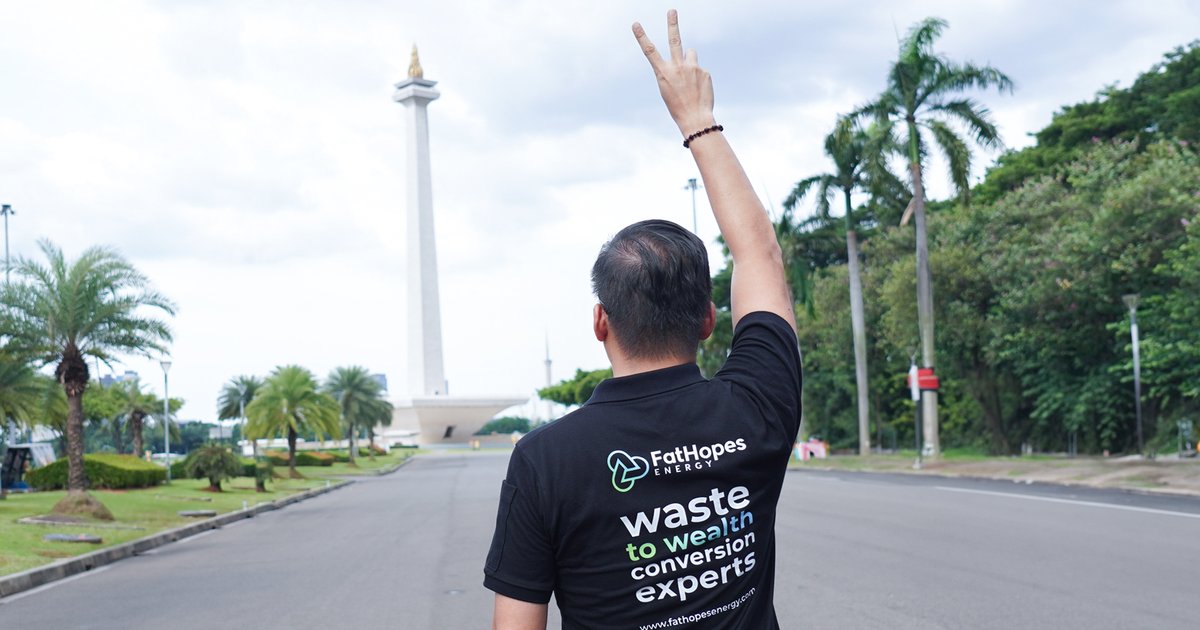
Indonesian Deputy Minister of Home Affairs, Bima Arya, emphasized that the implementation of the urban purpose concept in the Greater Jakarta area, which includes the cities of Jakarta, Bogor, Depok, Tangerang, Bekasi, Puncak, and Ciangur, represents a significant solution to address challenges related to waste and traffic congestion.
Arya made these remarks during a press conference in Tangerang, where he clarified that if this concept is applied sectorally, it will lead to tangible results. He pointed out that the challenges associated with waste and congestion have persisted for a long time, making them core issues faced by mayors.
Event Details
Arya explained that factors hindering waste management solutions include the multitude of proposals from different companies, difficulties in acquiring the necessary land, and the refusal of some residents to accept certain projects. Nevertheless, he assured that the government is working to accelerate waste management programs and improve local services.
He also highlighted the Improvement of Waste Management for Electric Power (PSEL) project and the Improvement of Local Delivery Services (LSDP) project, which is supported by the World Bank, focusing on enhancing local governance.
Background & Context
Indonesia is considered one of the countries facing significant challenges in waste management, with reports indicating that the country produces massive amounts of waste daily. Rapid population growth and urban expansion have exacerbated this issue, necessitating new and effective strategies to address it.
Historically, local governments have struggled with coordination among various sectors, leading to ineffective proposed solutions. However, the urban purpose concept could contribute to improving coordination among local authorities and enhance the effectiveness of adopted programs.
Impact & Consequences
If the urban purpose concept is successfully implemented, it could lead to a significant improvement in the quality of life in urban areas, as waste and congestion issues would decrease, facilitating traffic flow and promoting economic development.
Moreover, improving waste management can contribute to environmental protection and reduce negative impacts on public health, making this project of great importance both locally and internationally.
Regional Significance
Many Arab countries face similar challenges in waste management and congestion, especially in major cities. The Indonesian experiences could serve as an inspiration for Arab nations to develop effective strategies in this field.
By enhancing cooperation among Arab countries and exchanging experiences, positive results can be achieved in improving waste management and achieving sustainable development.