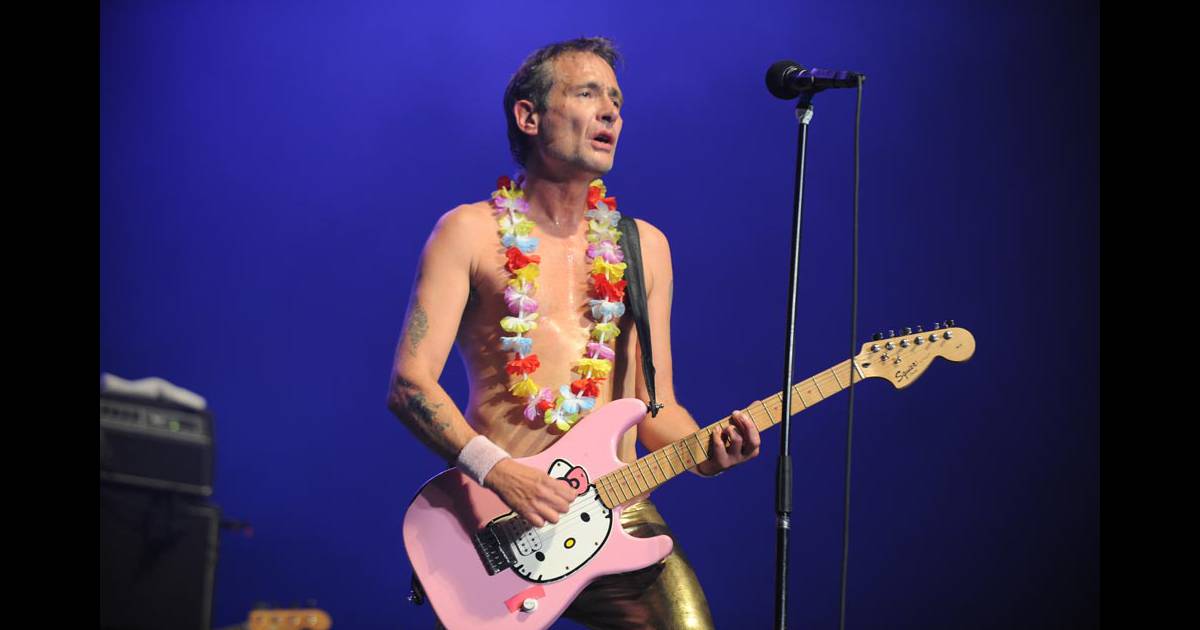
French artist Didier Wampas held a concert at Olympia Opera on April 11, showcasing the spirit of punk culture and leftist ideologies. At 64, Wampas continues to express the issues of the working class through his music. He is considered one of the prominent symbols of the punk movement in France, maintaining his status as a popular artist who voices the concerns of marginalized communities.
During the concert, the audience engaged enthusiastically with his songs, which carry political and social messages. Wampas, who sees himself as a professor of struggle, used his platform to highlight issues such as poverty and social justice. The concert served as a reminder that music can be an effective means of expressing social discontent.
Event Details
In an electrifying atmosphere, Wampas performed a selection of his most famous songs from the punk era, characterized by fast rhythms and bold lyrics. The audience was diverse, with music lovers of all ages gathering, reflecting his ongoing impact in the artistic scene. Wampas also emphasized the importance of unity between artists and the audience in facing social and political challenges.
The concert also featured special segments where some young artists were invited to join Wampas on stage, fostering a sense of collaboration across generations. These moments served as a reminder that the spirit of punk remains alive, and there is always room for expressing social issues through art.
Background & Context
Historically, the punk movement emerged in the 1970s as a response to harsh social and political conditions in many countries, including France. Music became a means to express discontent with political and economic systems. Wampas, who began his artistic career during that period, is a symbol of this movement, continuing to produce works that reflect the aspirations and hopes of the working class.
Over the years, Wampas's music has evolved to include new issues, such as immigrant rights and climate change, reflecting changes in French society. His influence extends beyond France, reaching many European countries, where he has become a voice heard in various forums.
Impact & Consequences
Wampas's concerts serve as a platform for raising awareness about social and political issues. Through his music, he contributes to stimulating discussions on sensitive topics that may be overlooked in society. This type of art can have a significant impact on youth, encouraging them to think critically and engage in public life.
Moreover, Wampas's continued performances at an advanced age demonstrate that art knows no temporal boundaries, and the message can continue to resonate with future generations. This also reflects the importance of culture and art as a means of social change.
Regional Significance
In the Arab region, Wampas's experience can inspire artists seeking to express their communities' issues through music. Music remains an effective means of communication and conveying messages, especially amid the complex political and social conditions many Arab countries face.
Arab artists can benefit from Wampas's experience in using art as a means of fighting for social justice, enhancing the role of culture in changing reality. The audience's interaction with music that carries powerful messages can have a profound impact on social and political awareness in the region.