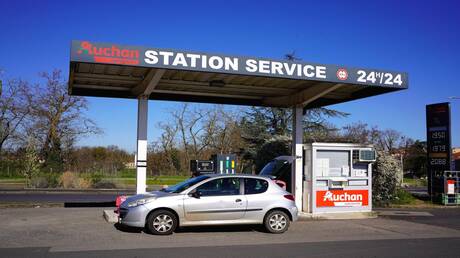
Diesel prices in France have reached unprecedented levels, recording their highest point in 40 years, according to a report published by the French newspaper Le Figaro. This significant price increase is attributed to the tense conditions and ongoing military operations in the Middle East, which have directly impacted the global energy market.
Reports indicate that diesel prices have surpassed the threshold of 2 euros per liter, placing additional pressure on consumers and businesses in France. This rise comes at a time when the French economy is still grappling with the repercussions of the COVID-19 pandemic, complicating the economic situation further.
Details of the Event
Diesel prices are an important indicator of economic health, as many sectors, including transportation and agriculture, rely on them. With escalating tensions in the Middle East, particularly following recent events in Gaza, global markets have experienced significant fluctuations in oil prices. This has led to rising fuel prices in many countries, with France being among the most affected.
France is one of the largest consumers of diesel fuel in Europe, with many cars and trucks using it. As prices rise, experts predict that fuel demand may be affected, potentially leading to changes in consumption patterns.
Background & Context
Over the past four decades, diesel prices have experienced significant fluctuations, but the current rise is unprecedented. The primary reason for this increase is the geopolitical crises affecting oil supplies, particularly in the Middle East, which is a major source of global oil.
Historically, oil prices have been influenced by political events, experiencing periods of both rise and fall. However, the current increase comes at a sensitive time, as the world seeks to recover from the impacts of the COVID-19 pandemic, complicating matters even further.
Impact & Consequences
This rise in diesel prices is expected to have negative effects on the French economy. Small and medium-sized enterprises will face difficulties in bearing transportation costs, which may lead to increased prices for consumers. Additionally, rising fuel costs could impact transportation and shipping operations, further increasing the costs of goods and services.
Moreover, these conditions may increase pressure on the French government to take measures to mitigate the effects of rising prices, such as providing financial support to consumers or imposing price controls.
Regional Significance
The rise in diesel prices in France serves as an indicator of how political crises in the Middle East affect global markets. Arab countries, especially those that produce oil, may benefit from rising prices; however, oil-importing countries will face significant economic challenges.
This situation may also lead to changes in energy policies in the region, as countries may seek to reduce their dependence on fossil fuels and promote renewable energy sources.
In conclusion, the rise in diesel prices in France is a sign of the global economic challenges faced by countries amid ongoing crises. It is important to monitor the developments of this situation and its impact on the global economy.