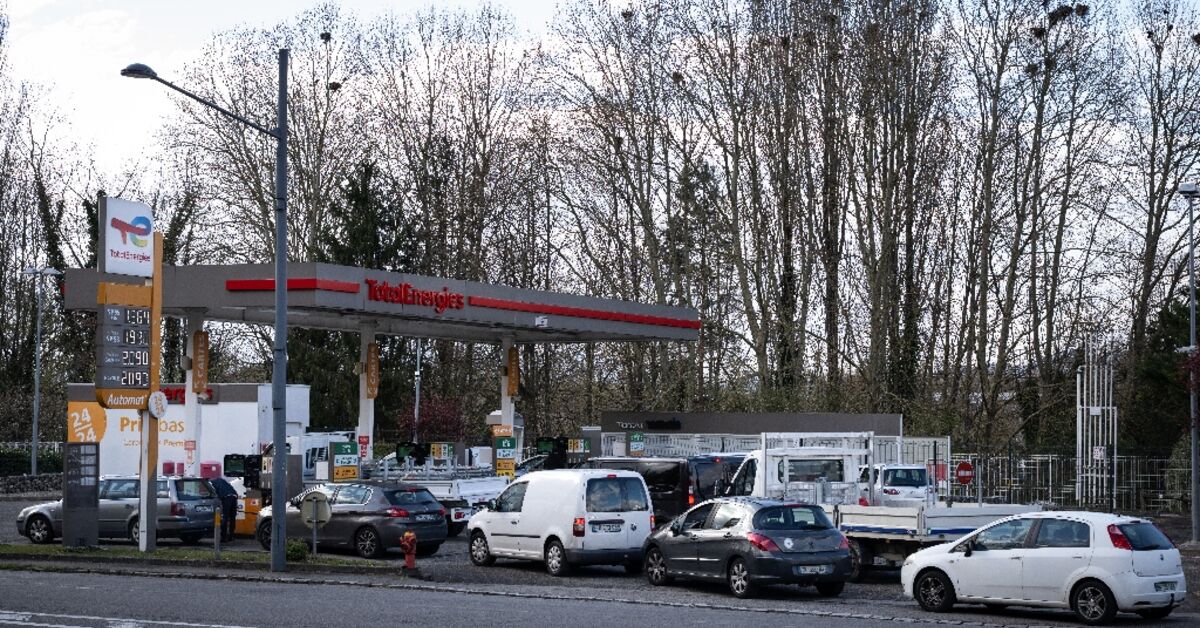
Diesel prices in Europe have risen significantly, exceeding a 30% increase since the beginning of the conflict in the Middle East, reflecting the continent's dependence on imported energy. As the Easter holiday approaches, experts anticipate a substantial increase in fuel demand within the European market, leading to long queues at gas stations.
Diesel prices are the most affected compared to other fuels, having already faced pressures before the war erupted. Experts indicate that diesel costs will continue to rise, which will negatively impact inflation rates in the region, especially with the ongoing closure of trade routes through the Strait of Hormuz.
Details of the Situation
Reports indicate that diesel prices have surged to unprecedented levels, placing additional pressure on households and businesses across Europe. As fuel demand increases with the Easter holiday approaching, economic crises are expected to worsen due to this rise. This situation reflects the challenges European countries face in securing energy supplies, particularly amid escalating tensions in the Middle East.
Before the war, diesel prices were already experiencing frequent hikes, but the current situation may exacerbate economic crises. Many drivers in Europe rely on diesel, making this increase particularly impactful on their daily lives.
Background & Context
Historically, energy prices in Europe have seen significant fluctuations due to geopolitical crises, with many European countries relying on oil and gas imports from conflict zones. The war in the Middle East is not new, but its impact on energy prices has become more pronounced in recent years, especially with rising tensions in the region.
The Strait of Hormuz is considered one of the most critical maritime passages in the world, through which a significant percentage of global oil supplies pass. Any disruption in trade through this strait can lead to a substantial increase in energy prices, affecting the global economy as a whole.
Impact & Consequences
The significant rise in diesel prices underscores the urgent need for European countries to diversify their energy sources and reduce reliance on imports. This crisis may lead to increased inflation, placing additional pressure on European governments to address the repercussions of rising prices.
This increase is expected to affect various sectors, including transportation and logistics, potentially leading to higher costs for goods and services. Additionally, the psychological impact on consumers may be considerable, as many people are concerned about rising living costs.
Regional Significance
Oil-producing Arab countries are in a unique position to benefit from rising energy prices, which could lead to increased oil revenues. However, ongoing tensions in the region may affect economic stability, requiring Arab nations to take proactive steps to ensure sustainable growth.
Moreover, the rise in diesel prices could impact transportation and shipping costs in the region, which may reflect on the prices of essential goods. Therefore, Arab governments must closely monitor these developments and take necessary actions to mitigate their effects.