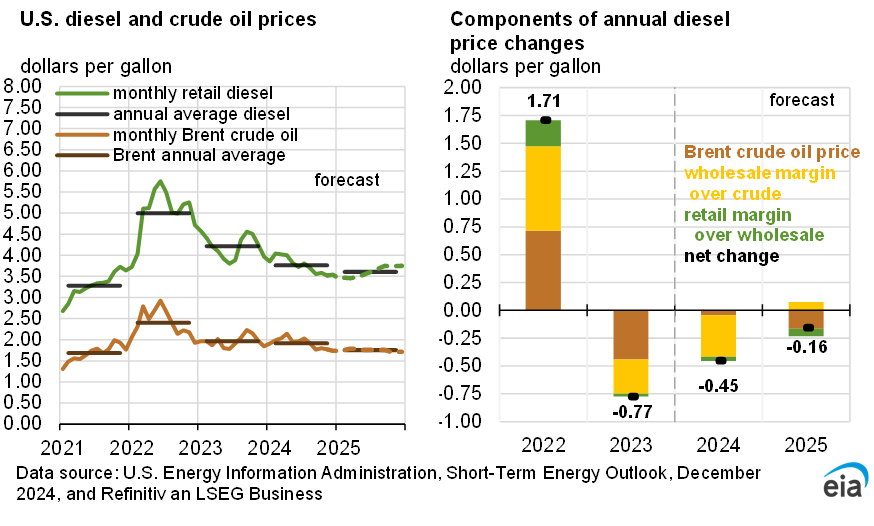
Reports indicate that diesel prices have surpassed gasoline prices in many global markets, and this gap is expected to persist for a long time. Global markets have experienced sharp fluctuations in fuel prices following the outbreak of conflict in the Middle East, leading to a significant rise in diesel prices.
In Singapore, for example, diesel prices before the outbreak of the conflict were around 2.66 Singapore dollars per liter, while gasoline prices were 2.88 dollars. However, the situation has drastically changed, with diesel prices rising to 4.23 dollars per liter, while gasoline prices have dropped to 3.40 dollars.
Details of the Event
The reason for this increase is attributed to several factors, including a heavy reliance on crude oil, which faces greater risks due to disturbances in the Middle East. Additionally, the demand for diesel remains high, as it is used in many vital sectors such as transportation, logistics, and aviation.
Analysts confirm that the demand for diesel cannot be easily reduced, as many companies cannot cut their diesel consumption as individuals do with gasoline. Consequently, any increase in diesel prices directly impacts transportation and production costs.
Background & Context
Historically, fuel prices have experienced significant fluctuations due to geopolitical crises. Conflicts in the Middle East, such as the current one, greatly affect global oil markets, leading to price increases. Additionally, pressures from restrictions on oil exports from certain countries, such as Russia, play a role in reducing supply.
Moreover, the increasing demand for diesel in the spring due to construction and agricultural activities adds further pressure on prices. While the shift towards electric vehicles may affect gasoline demand, it will not change diesel demand in the current context.
Impact & Consequences
The rise in diesel prices affects the economy as a whole, raising shipping and transportation costs, which in turn increases the prices of goods and services. According to estimates, a 10% increase in diesel prices could lead to a 2% rise in the consumer price index within six to nine months.
Additionally, oil-importing countries, such as Singapore, may face additional pressures due to rising shipping costs, increasing inflationary pressures in the economy. This means that governments may need to intervene to stabilize prices before they become unbearable for consumers.
Regional Significance
The Arab region is one of the largest oil producers in the world, and thus any fluctuations in oil prices directly impact its economies. Rising diesel prices could lead to increased transportation and production costs in Arab countries, affecting local prices.
Furthermore, geopolitical crises in the region may lead to further instability in oil markets, negatively impacting the economies of Arab countries that heavily rely on oil exports.
In conclusion, it appears that diesel prices will remain high for an extended period, necessitating governments and companies to take measures to adapt to these market changes.