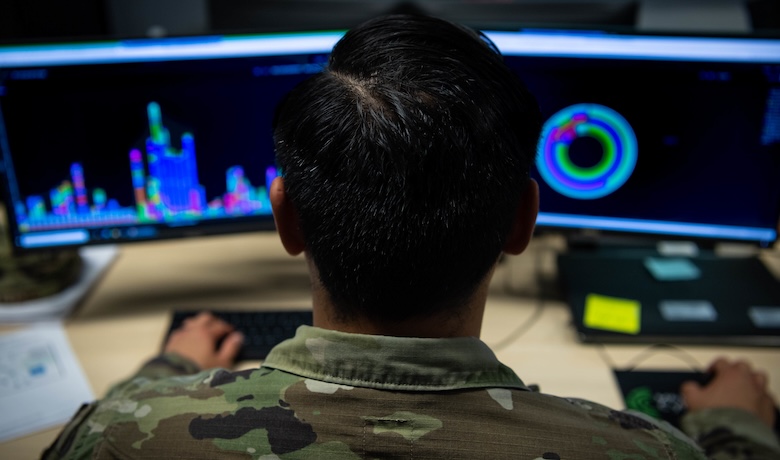
Digital warfare is transforming the nature of conflicts today, with outcomes determined in dark rooms through algorithms and data. In an exclusive interview with Sky News Arabia, military and strategic expert Yarab Sakhr provided an in-depth analysis of how technology is influencing the nature of contemporary conflicts.
In an era where technology intersects with various aspects of life, wars are being waged even before a single bullet is fired. Conflicts are no longer limited to traditional military confrontations; they increasingly rely on advanced digital strategies. This shift reflects a new reality that requires countries to rethink how they manage conflicts and address threats.
Details of the Event
Yarab Sakhr pointed out that the use of algorithms in modern warfare allows for precise target identification, leading to the execution of digital assassinations that may be more effective than traditional operations. These operations depend on big data analysis and its application in military decision-making, fundamentally altering the nature of conflict and increasing its complexities.
He also added that this trend is not limited to regular armies; it also includes armed groups and irregular forces that leverage technology to achieve their objectives. Consequently, conflicts have become more complex, intertwining military, political, and economic aspects.
Background & Context
Historically, wars relied on conventional military power, but with technological advancements, we have begun to witness a transformation in combat methods. In recent years, there has been an increasing use of drones, robots, and advanced software in military operations. This shift reflects rapid changes in the global security environment.
Digital wars are part of this transformation, where data and information are strategically used to direct military operations. This type of warfare necessitates that countries develop their technological and human capabilities to confront new challenges.
Impact & Consequences
These transformations affect the military and political strategies of nations, as they must consider how to effectively utilize technology. The use of algorithms in warfare can escalate conflicts, as the outcomes can be unpredictable.
Moreover, this trend may heighten tensions between countries, as each nation strives to enhance its technological capabilities to counter threats. This could lead to a new digital arms race, increasing the risk of future conflicts.
Regional Significance
In the Arab region, where many countries are experiencing ongoing conflicts, the shift towards digital warfare could have significant implications. Armed groups may benefit from these technologies to enhance their capabilities, complicating security situations further.
Arab nations also need to invest in technology and develop new strategies to address security challenges. Understanding this trend can help bolster security and stability in the region.
In conclusion, the shift towards digital warfare represents both a challenge and an opportunity. It requires nations to rethink their military and political strategies to confront this new reality.