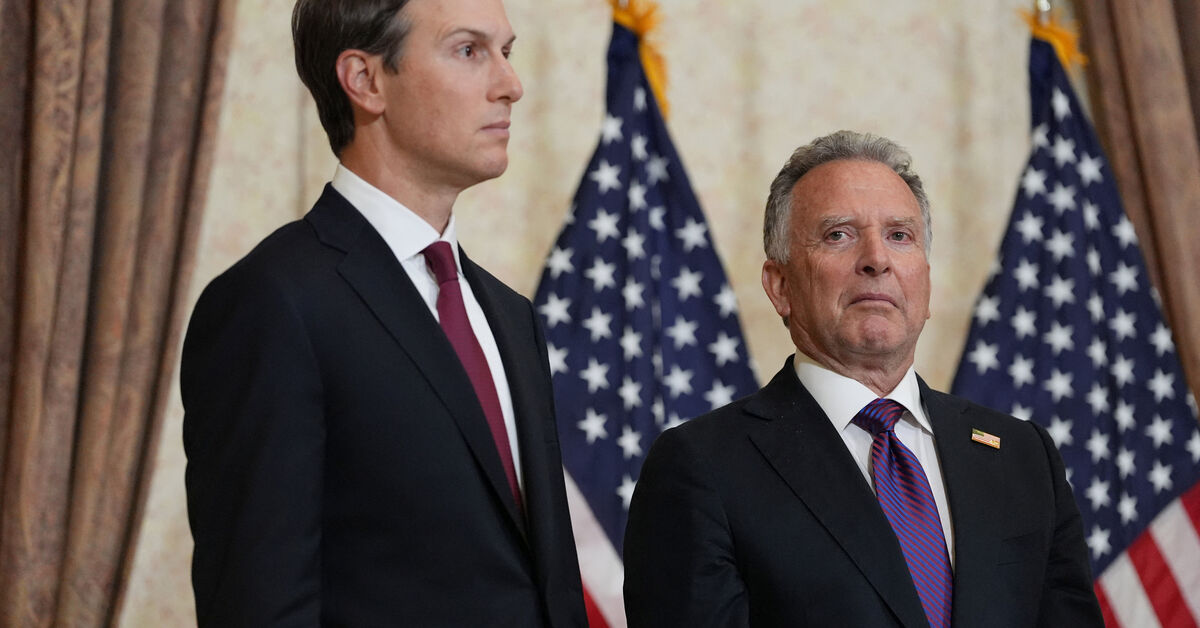
Hopes for diplomatic progress between the United States and Iran have diminished as the week begins, with negotiations aimed at ending the ongoing conflict now stalled. Both Tehran and Washington seem unwilling to make concessions, further complicating the situation in the region.
This development comes at a sensitive time, as tensions between the United States and Iran escalate amid the ongoing war, raising concerns about regional stability. Reports indicate that talks, which had hoped to achieve progress, have reached a deadlock, leaving the future of relations between the two sides shrouded in uncertainty.
Details of the Event
Despite diplomatic efforts by several countries to mediate between the United States and Iran, the negotiations have made little progress. Sources indicate that both parties are firmly entrenched in their positions, with Iran rejecting any conditions related to curbing its nuclear program, while the United States demands an end to Iranian military activities in the region.
At the same time, Israel continues to pressure the United States to take a tougher stance on Iran, further complicating the situation. Some Arab nations have expressed concern over the rising tensions, as these developments could impact regional security.
Background & Context
The roots of tensions between the United States and Iran extend back several decades, with relations between the two countries deteriorating since the Iranian Revolution in 1979. Since then, the United States has imposed stringent economic sanctions on Iran, affecting the Iranian economy and exacerbating humanitarian conditions in the country.
In recent years, tensions have escalated further with the U.S. withdrawal from the Iranian nuclear agreement in 2018, leading to an increase in Iranian nuclear activities and heightened military tensions in the region. Some European nations have attempted to mediate to revive the agreement, but to no avail.
Impact & Consequences
These conditions underscore the importance of diplomacy in resolving conflicts, as the ongoing tensions between the United States and Iran could lead to military escalation in the region. Additionally, the failure to reach an agreement may impact the stability of global markets, particularly in the energy sector.
Moreover, the continuation of the conflict could worsen humanitarian conditions in Iran, increasing the suffering of the Iranian people. This may have negative repercussions on relations between Western and Arab nations.
Regional Significance
The Arab nations neighboring Iran are among the most affected by the tensions between the United States and Iran. Any military escalation could impact security and stability in the region, increasing the risks of armed conflicts.
Arab countries are also striving to achieve a balance in their relations with both the United States and Iran, placing them in a sensitive position. These nations must work to enhance dialogue and regional cooperation to avoid any potential escalation.
In conclusion, the situation in the region remains complex, as the absence of diplomatic solutions increases risks to security and stability. Continuous efforts from all parties involved are required to achieve peace and stability in the region.