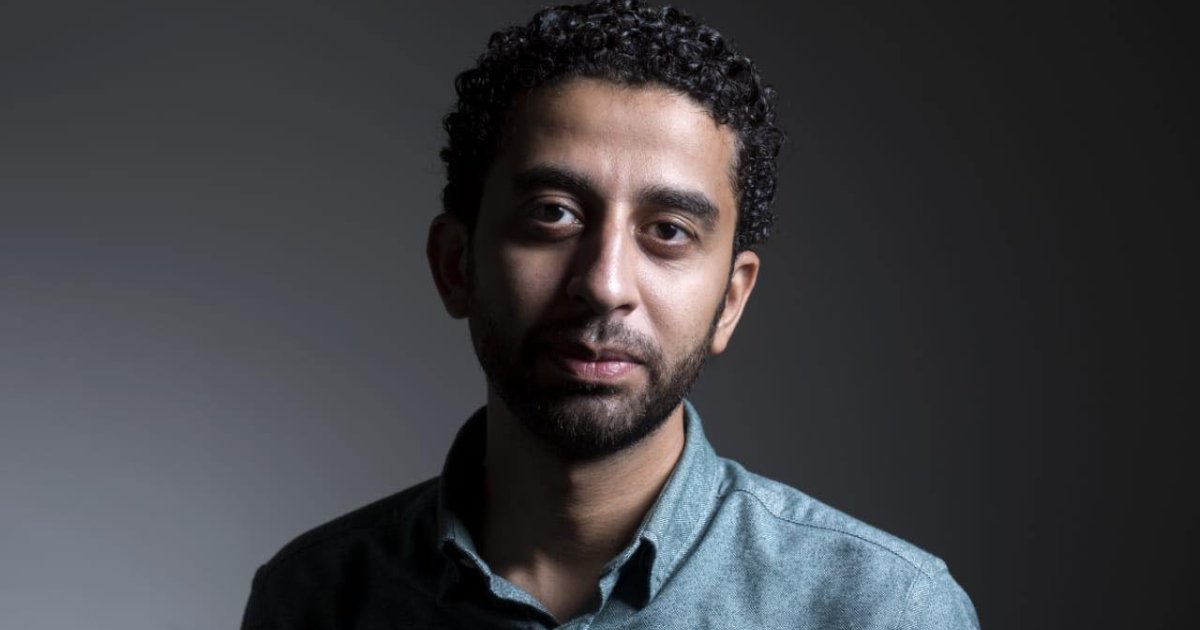
Director Haitham Dabbour disclosed that he received a request from a major film festival to alter the ending of his film "Internal Problems 32B"; however, he firmly rejected this request to maintain the artistic message the film aims to convey. This decision reflects Dabbour's commitment to the artistic vision of the work and his unwillingness to compromise its essence for the sake of festival requirements.
"Internal Problems 32B" is considered one of the cinematic works that addresses complex social issues, making it a focal point for both critics and audiences. The film tackles themes related to the internal conflicts faced by individuals in Egyptian society, thus mirroring a contemporary reality experienced by many.
Event Details
In his remarks, Dabbour clarified that the festival requesting the change aimed to make the ending more aligned with audience expectations; however, he insisted that the message carried by the film must remain unchanged. This stance underscores the importance of preserving artistic vision in the world of cinema, where directors strive to present works that express their ideas and emotions without external influences.
The film, which was recently produced, has received praise from critics who commended the quality of the script and direction. Dabbour, regarded as one of the prominent names in Egyptian cinema, consistently seeks to deliver works that carry profound messages and address vital issues.
Background & Context
In recent years, Egyptian cinema has faced multiple challenges, including commercial pressures and prevailing trends in global festivals. As competition increases, many directors attempt to adapt their works to suit audience tastes, which can affect the artistic message of the pieces.
Dabbour is among the directors who reject this trend, preferring to maintain the authenticity of his works. He has previously produced films that addressed social and political issues, earning him significant popularity in artistic circles.
Impact & Consequences
Dabbour's decision to refuse changing the film's ending may impact his artistic career, possibly leading to the work's rejection at some festivals. Nevertheless, preserving the artistic message may attract a broader audience that supports works reflecting real issues.
This situation highlights the importance of discussing creative freedom in cinema, where directors must balance market demands with their artistic vision. Refusing to make changes could have a positive impact on the future of Egyptian cinema, encouraging the presentation of works that reflect reality without manipulation.
Regional Significance
Cinema is a powerful means of expressing social and political issues in the Arab world. Dabbour's stance may inspire other directors in the region to adhere to their artistic vision and not compromise their message. Amid the challenges facing Arab cinema, creativity and commitment to social issues remain the keys to achieving success.
Ultimately, Haitham Dabbour's position reflects the importance of maintaining the artistic message in cinema, affirming that creativity must come first, even in the face of commercial pressures.