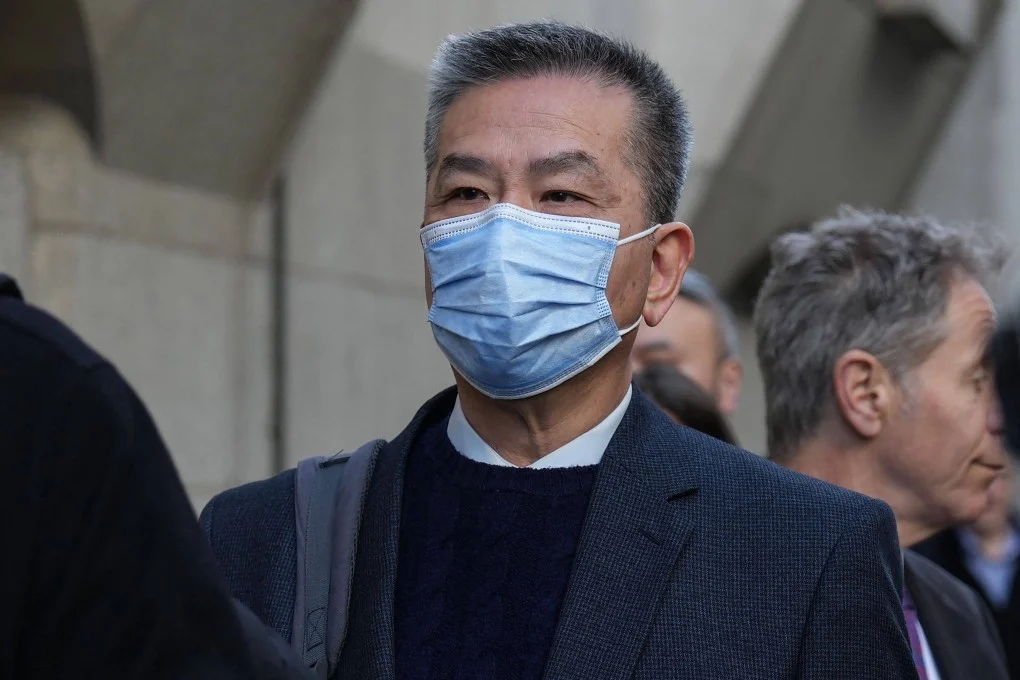
In a significant development in an ongoing security trial in the UK, Bill Yuen Chung-Piu, the director of the Hong Kong Trade Office, has denied allegations of spying on prominent activists from the city and British politicians on behalf of the Chinese government. He testified in court last week, challenging claims that he was managing a "covert surveillance operation" in the country.
This development comes two years after his arrest, where he was accused of gathering sensitive information about human rights activists and politicians in the UK, sparking widespread debate over the role of Hong Kong's external trade offices in intelligence activities.
Details of the Trial
During the court session, Yuen asserted that he was not spying on anyone, stating that the allegations against him were based on misleading information. He added that he was legally working to enhance trade relations between Hong Kong and the UK, not acting as a conduit for intelligence information. This case highlights the increasing tensions between China and Western countries, particularly regarding human rights and political freedom.
It is noteworthy that Hong Kong's external trade offices have always been a focal point of controversy, as they are viewed as tools for enhancing Chinese influence abroad. This has raised significant concerns among political activists in Hong Kong, who fear that these offices could be used to monitor and suppress them.
Background & Context
The roots of this case date back to 2019, when protests erupted in Hong Kong against a bill allowing the extradition of suspects to China. These protests led to severe crackdowns by the Chinese government, provoking strong international reactions. In this context, Yuen was arrested as part of the UK government's efforts to counter Chinese intelligence activities on its soil.
This case is part of a broader struggle between China and Western nations, as fears grow that China is using its trade offices as tools for espionage and influencing local policies in host countries. This reflects the increasing tensions in international relations, especially amid rising issues related to national security and human rights.
Impact & Consequences
This trial represents a real test of the relationship between the UK and China, as London faces increasing pressure from its Western allies to adopt a tougher stance towards Beijing. If the allegations are proven true, this could have serious repercussions on trade and political relations between the two countries, potentially affecting Chinese investments in the UK.
Furthermore, this case may raise public awareness regarding Chinese intelligence activities abroad, prompting other countries to take similar actions to monitor Chinese activities on their territories. It could also enhance cooperation among Western nations to address shared security threats.
Regional Significance
As tensions rise between China and Western countries, Arab nations must be aware of these dynamics. Economic and political relations with China are increasing, and these issues may impact Chinese investments in the region. Arab countries may find themselves in a difficult position between maintaining their relationships with China and complying with Western pressures.
In conclusion, this case underscores the importance of security and political awareness in a changing world, where national interests intersect with global issues. Arab nations should adopt effective strategies to navigate these challenges, ensuring their national interests are safeguarded amid these shifting dynamics.