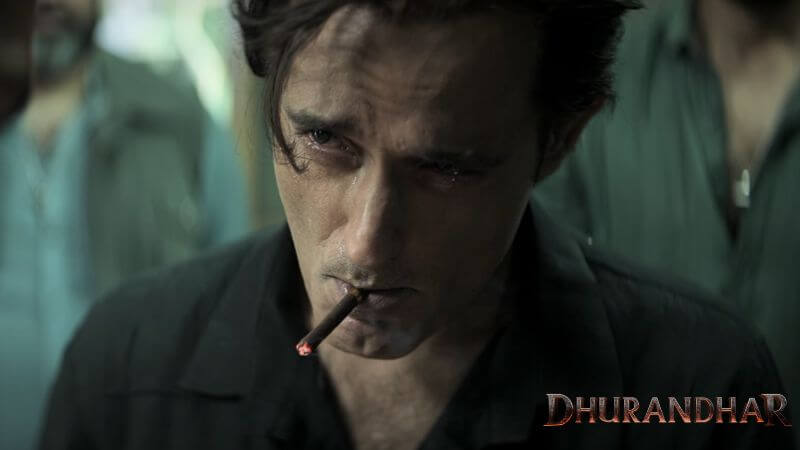
Aditya Dhar, the director of the Indian film 'Zho Randar', has categorically denied allegations of plagiarism against his work, asserting that they are baseless. This response follows rumors about similarities between the film and previous works, stirring significant controversy in artistic and media circles.
Dhar, who gained widespread fame through his previous films, stated in his remarks that these allegations are merely attempts to tarnish his reputation and that of the film. He emphasized that artistic work relies on creativity and innovation, and he has not drawn inspiration from other works.
Details of the Incident
These allegations come at a sensitive time for the film, which has achieved great success upon its release. Dhar indicated that he possesses evidence proving the originality of his work and is prepared to face any legal challenges that may arise as a result of these claims. He also added that these rumors could influence the audience's perceptions of the film, which he seeks to avoid.
In a related context, critics pointed out that such allegations are not new in the film industry, as they recur periodically with each new artistic work. However, reactions to these claims vary from case to case, sometimes necessitating complex legal investigations.
Background & Context
Historically, Indian cinema has witnessed numerous cases of plagiarism, with many directors and writers accused of stealing ideas from previous works. This has led to the formation of artistic and legal committees to investigate these allegations, contributing to the development of new standards for protecting authors' rights.
In recent years, social media has become a primary platform for disseminating such allegations, increasing pressure on creators. With the growing awareness of intellectual property rights, it has become essential for artists to take legal steps to protect their works.
Impact & Consequences
These allegations can have negative effects on artists' careers, potentially leading to a decline in the film's popularity or even its cancellation in some cases. Additionally, these claims may affect relationships between directors and producers, which could negatively impact the film industry as a whole.
Moreover, these issues may open the door for broader discussions about intellectual property rights in art and how to protect creators from unfounded accusations. They could also lead to improvements in laws related to protecting authors' rights in India and beyond.
Regional Significance
The film industry in the Arab region is also susceptible to such issues, as many Arab films have faced similar accusations. With increasing collaboration between Arab and Indian cinema, these issues could affect cultural and artistic relations between the two sides.
It is crucial for Arab creators to learn from these experiences and strive to better protect their intellectual rights, contributing to the enhancement of creativity and innovation in Arab cinema.