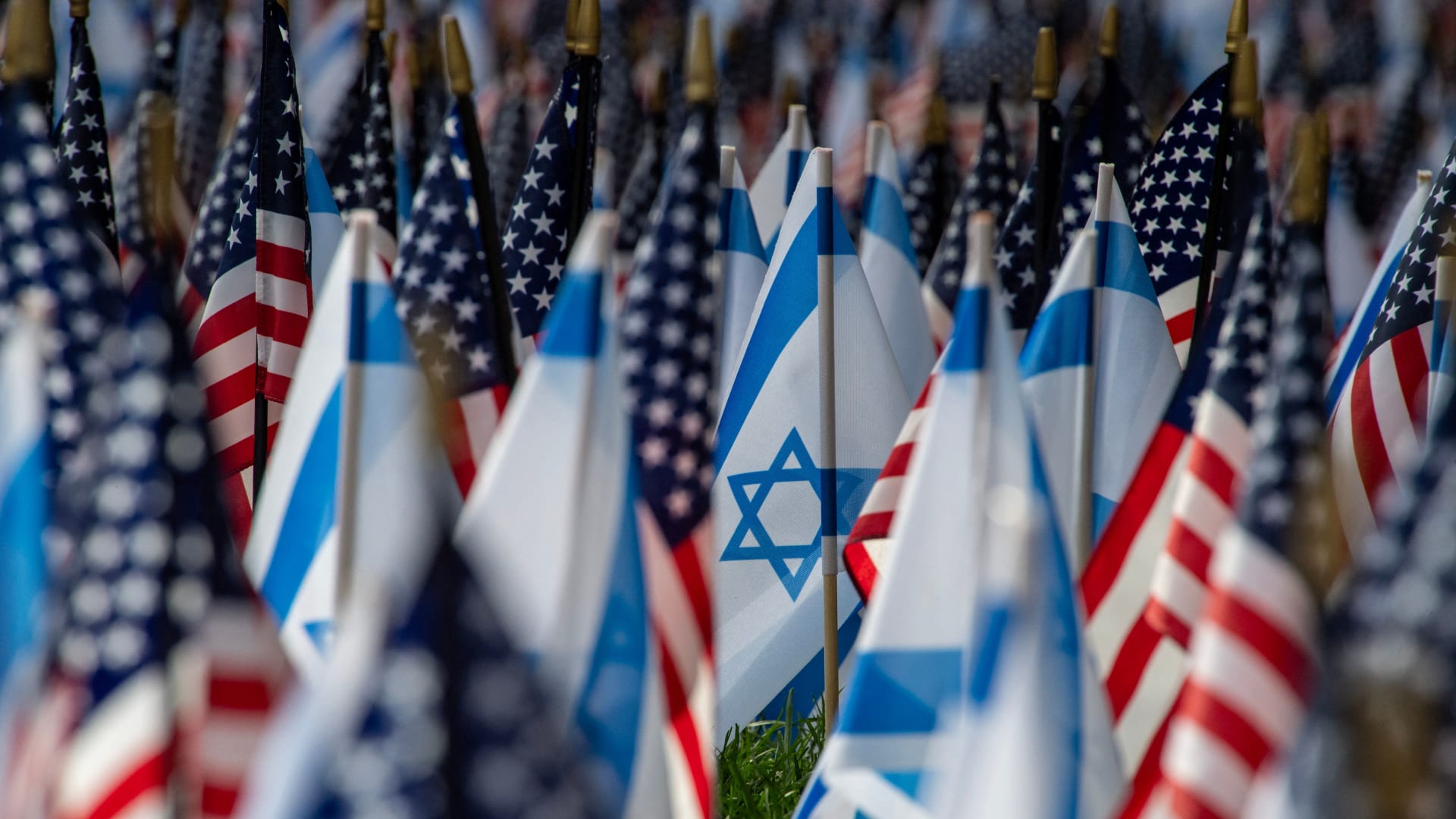
The Israeli broadcasting authority revealed on Thursday that there are notable disagreements between Israel and the administration of President Donald Trump concerning three main points of the 15-point proposal designed to tackle Iranian challenges. These disagreements indicate a divergence in strategies between the allies, which could impact bilateral relations in the future.
The disputed points relate to sensitive issues concerning the Iranian nuclear program, Tehran's support for armed groups in the region, and ways to enhance security cooperation between the two countries. These issues represent the core of Israeli concerns regarding Iranian expansion in the Middle East.
Details of the Dispute
Israel seeks to strengthen its security position by pressuring the US administration to adopt a stricter policy towards Iran. However, the Trump administration appears to be taking a more balanced approach, leading to the emergence of these disagreements. The three points mentioned pertain to the details of implementing sanctions, mechanisms for monitoring Iranian activities, and the level of US military support for Israel.
While Israel views Iran as an existential threat, the US administration aims to strike a balance between economic and diplomatic pressures, which could complicate matters in the future. This dynamic reflects the challenges both countries face in formulating an effective joint policy.
Background & Context
Historically, relations between Israel and the United States have been based on close cooperation, particularly regarding security issues. However, tensions over the Iranian file have been surfacing for a long time, especially after the signing of the Iranian nuclear agreement in 2015. This agreement, reached between Iran and the 5+1 group, raised concerns in Israel and prompted it to pressure the US to withdraw from it.
In 2018, the United States withdrew from the nuclear agreement, further complicating relations. Since then, Israel has sought to bolster its position by emphasizing the necessity of confronting Iran directly, while the United States attempts to find diplomatic solutions.
Impact & Consequences
The ramifications of these disagreements extend beyond bilateral relations between Israel and the US, as they could affect regional stability in the Middle East. If these differences persist, they may lead to greater divisions among traditional allies in the region, potentially strengthening Iran's position and increasing its influence.
Moreover, any decline in security cooperation between Israel and the United States could negatively impact Israel's ability to confront potential threats. At the same time, these disagreements may encourage some Arab countries to reassess their relationships with both Israel and Iran, potentially leading to changes in regional alliances.
Regional Significance
The disagreements between Israel and the United States regarding Iran are particularly significant for Arab countries, which closely monitor developments in the relations between the two allies. Any escalation in tensions could impact regional security and exacerbate existing conflicts.
Additionally, these disagreements may reopen discussions on how to deal with Iran in the region, especially in light of other regional powers such as Saudi Arabia and Egypt, which seek to enhance their stability and security. Ultimately, this issue will remain a focal point of significant interest in regional and international politics.
In conclusion, the disagreements between Israel and the US over the 15-point plan regarding Iran reflect the complex challenges facing international relations in the Middle East. As these dynamics continue, the question of how they will affect security and stability in the region remains open.