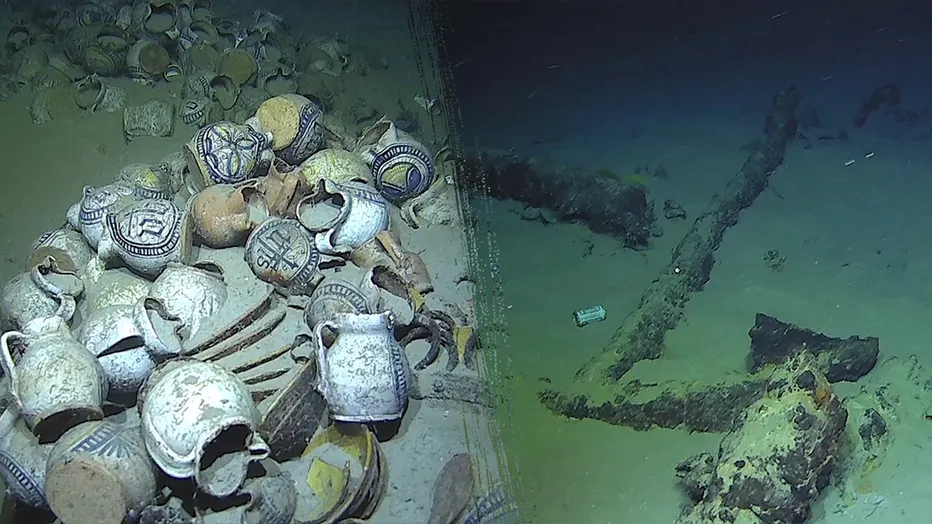
In a remarkable scientific achievement, a team of researchers has finally approached the remains of a 16th-century shipwreck, discovered in March 2025 off the coast of Ramatuelle in the Var region of France. This discovery comes after intensive preparations lasting several months to reach the site located deep in the sea.
The ship, believed to have carried valuable goods, is part of European maritime history and highlights maritime trade during that period. Advanced diving operations were conducted to reach this depth, reflecting technological advancements in diving and deep-sea exploration.
Details of the Discovery
Accessing the remains of the sunken ship required sophisticated techniques, as the team utilized advanced diving equipment and underwater exploration tools. The images captured from the site revealed intricate details about the ship's structure, aiding researchers in gaining a better understanding of shipbuilding methods in the 16th century.
This discovery opens the door for further studies on marine life during that era, in addition to the impact of maritime trade on the European economy. Additional research on the remains is expected to determine the materials used in constructing the ship and the cargo it was carrying.
Historical Context
Historically, ships played a vital role in trade and transportation between countries, especially during the Middle Ages. They were used to transport goods such as spices and silk, contributing to the flourishing of maritime trade. The discovery of this shipwreck brings to mind the importance of the sea as a means of communication and trade between civilizations.
Implications of the Discovery
This discovery is considered a significant step in the field of maritime archaeology, enhancing the scientific understanding of maritime history. It also underscores the importance of scientific research in archaeology and encourages further explorations in the depths of the seas. Furthermore, this discovery could contribute to boosting cultural tourism in the region, allowing visitors to learn about maritime history through exhibitions and cultural centers.
Regional Significance
The implications of this discovery extend beyond academic interest; it has the potential to enrich the local economy through increased tourism. By showcasing the maritime heritage, the region can attract visitors interested in history and archaeology. This shipwreck serves as a reminder of the rich maritime history that shaped trade routes and cultural exchanges across Europe.
In conclusion, the discovery of the 16th-century shipwreck not only contributes to our understanding of historical maritime practices but also reflects the technological progress made in underwater exploration. It inspires researchers and historians to delve deeper into their maritime heritage, fostering a renewed interest in the sea's role in shaping human civilization.