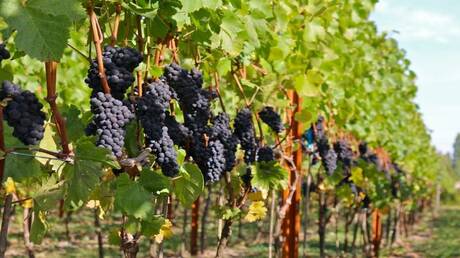
Geneticists have uncovered a grape seed dating back 600 years, found in an old French hospital, that perfectly matches the wine variety produced and consumed today. This discovery reflects the continuity of certain agricultural varieties over time and enhances the scientific understanding of the history of winemaking.
The discovered grape seed is part of a broader study aimed at understanding how grape varieties have evolved over time. The DNA of the seed was analyzed, revealing a remarkable match with modern grape species used in winemaking today.
Details of the Discovery
This seed was found in a hospital dating back to the 17th century in France, adding an intriguing historical dimension. The scientists who made this discovery noted that this seed may have been part of the grape cultivation process that was common during that period, reflecting ancient agricultural techniques.
This discovery is not just a scientific event; it is also a window into the culture and traditions that prevailed at that time. Winemaking played a significant role in the social and economic life in France and is considered part of the French cultural heritage.
Background & Context
The history of winemaking extends back thousands of years, with grapes believed to have been first cultivated in the Middle East. Since then, agricultural techniques and winemaking have evolved significantly. In France, winemaking is an integral part of cultural identity, with vineyards spread across the country.
French wine varieties are numerous, and each variety is the product of a long history of agriculture and advanced techniques. The recent discovery reflects how some varieties have maintained their core characteristics over the centuries, opening the door for further studies on how environmental factors and agricultural techniques influence grape development.
Impact & Consequences
This discovery could significantly impact modern winemaking, as it may help improve agricultural and production techniques. Understanding the genes associated with the ancient seed could lead to the development of new grape varieties that are more resistant to diseases or better adapted to climate changes.
Moreover, this discovery could enhance cultural tourism in France, where visitors can explore the history of wine and learn about ancient agricultural techniques. It may also lead to increased interest in local products, boosting the local economy.
Regional Significance
Although this discovery is linked to the history of French wine, it has potential implications for the Arab region. Some Arab countries, such as Lebanon and Tunisia, have a long history of winemaking. This discovery may encourage further research and studies on local grape varieties and how to improve them.
It could also foster cooperation between Arab countries and European nations in agriculture and winemaking, opening new avenues for cultural and commercial exchange.
In conclusion, this discovery represents an important step in understanding the history and evolution of winemaking, reflecting how some varieties have maintained their existence over the ages. Exploring ancient genes may open new horizons in the world of agriculture and winemaking.