A research team from Carthage University in Tunisia has unveiled astonishing therapeutic potentials in four plants that thrive in the southern desert through a detailed study of their molecular components. This step is part of broader efforts to translate scientific knowledge into commercial medicines.
According to Dr. Ruaa Ben Ibrahim, the lead researcher in the study, desert plants adapt to harsh environmental conditions such as high temperatures and drought, prompting them to produce unique compounds that enhance their ability to cope with environmental challenges. Studies have shown that these compounds may be more effective than those found in plants growing in more temperate environments.
Details of the Research
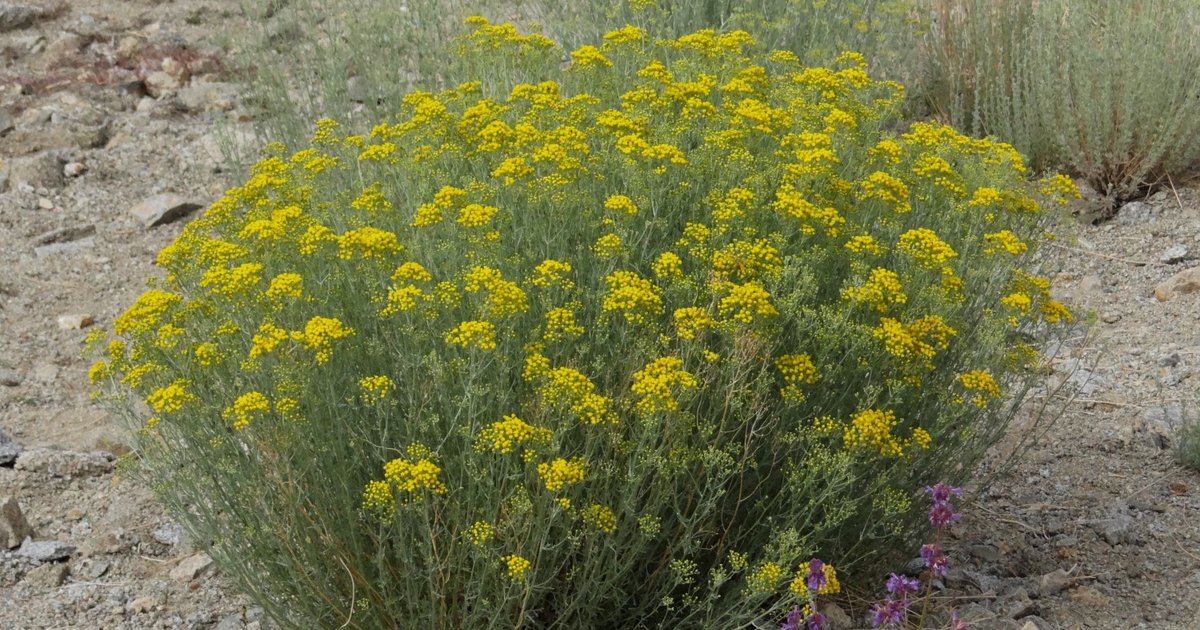
The study focused on four plants: Astragalus armatus (armed milkvetch), Anthyllis cytherea (sand clover), Genista microcephala (a type of broom), and Rhanterium epapposum (fragrant ranterium). Various parts of these plants (roots, leaves, and seeds) were analyzed to assess the biological activity of their extracts, particularly in resisting bacteria and fungi.
The researchers employed advanced techniques such as laser-assisted ionization mass spectrometry to create a precise molecular fingerprint of the plants, allowing them to discover hundreds of molecules that could represent the next line of defense against drug-resistant bacteria and fungi. Advanced analytical techniques were also used to isolate chemical compounds and identify active molecules.
Background & Context
Desert plants are considered a rich source of active substances that can be utilized in drug development, as they possess unique abilities to adapt to harsh conditions. This study is part of a growing global effort to exploit biodiversity in developing new treatments, especially in light of increasing antibiotic resistance among bacteria.
Historically, desert plants have been used in traditional medicine, but this study represents a significant scientific step towards a better understanding of their mechanisms of action and therapeutic potentials. Research in this field could contribute to the development of new drugs that meet public health needs.
Impact & Consequences
Initial results from the study indicate that some plant extracts exhibit strong activity against pathogens, opening the door for the development of new antimicrobial agents. For instance, the roots of Astragalus armatus showed notable effectiveness in inhibiting the growth of Aspergillus fumigatus, which poses a risk to immunocompromised individuals.
The next phase of research requires isolating the active compounds and conducting laboratory and animal tests to evaluate their efficacy and safety, marking a critical step towards developing new medications. If these compounds prove effective, they could lead to the production of new drugs used in clinical trials.
Regional Significance
This discovery represents an important step in enhancing scientific research in Arab countries, as it can contribute to developing local health solutions based on natural resources. It also reflects the importance of biodiversity in the region and enhances the ability of Arab countries to innovate in the field of medicine and treatment.
In conclusion, this study reflects ongoing efforts to exploit natural resources in developing innovative health solutions, contributing to improving the quality of life in the region.