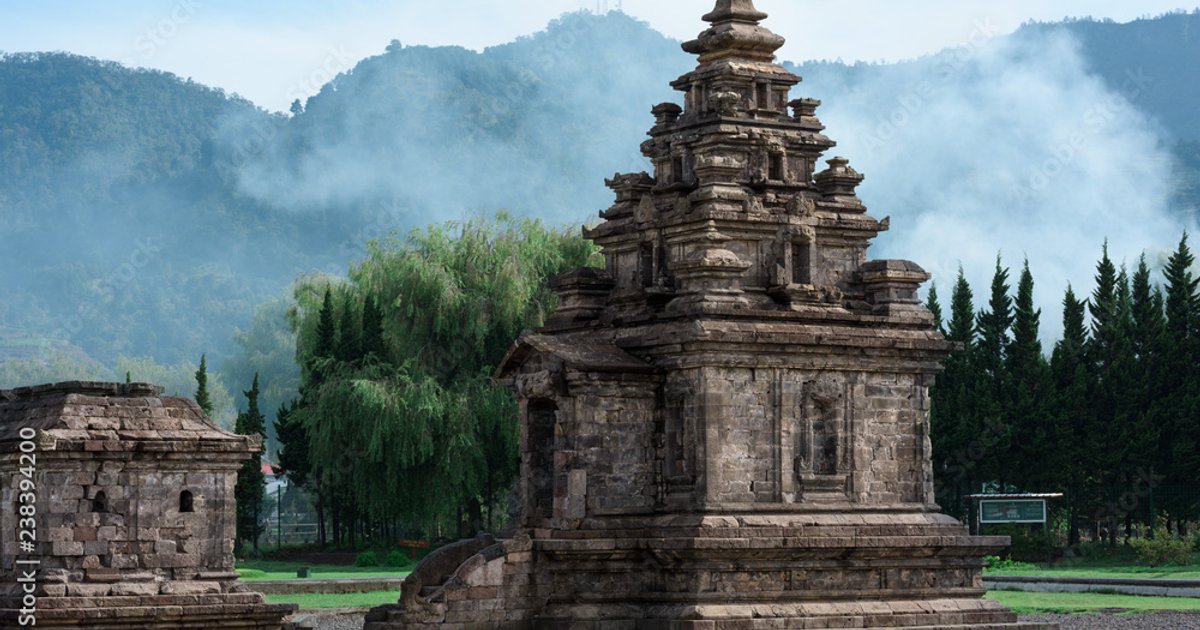
The Arjuna Temple in the Dieng tourist area of Banjarnegara in Central Java has attracted numerous tourists, being considered one of the oldest Hindu temples in Indonesia. This historical landmark opens its doors for visitors to explore a rich culture and ancient history. The temple showcases a unique architectural design that embodies Hindu heritage, making it a preferred destination for both local and international visitors.
The number of tourists visiting the temple has increased significantly, with reports indicating a substantial rise in visitor numbers in recent months. This temple is regarded as a symbol of Hindu culture in Indonesia, reflecting a history that spans centuries.
Event Details
The Arjuna Temple, dating back to the eighth century, is considered one of the main tourist attractions in the Dieng area. It features a unique architectural design that combines traditional Hindu elements with the stunning natural surroundings. The temple is an ideal place for visitors wishing to learn about Hindu culture and Indonesian history.
The area surrounding the temple also attracts many tourist activities, such as mountain trekking and visits to hot springs, enhancing the region's appeal as a comprehensive tourist destination. Numerous cultural events are organized at the temple, providing visitors with the opportunity to interact with local culture.
Background & Context
The history of the Arjuna Temple dates back to the era of the ancient Mataram Kingdom, where it was used as a place of worship. The temple is part of Indonesia's cultural heritage and has been listed among the important tourist attractions in the country. The architecture of the temple reflects the Hindu influences that were prevalent during that time, making it a point of attraction for researchers and tourists alike.
Over the years, the temple has faced numerous challenges, including natural erosion and climate changes. However, steps have been taken to preserve and restore the temple, helping to maintain its appeal as a tourist destination.
Impact & Consequences
The increase in tourism at the Arjuna Temple has positive effects on the local economy, providing new job opportunities for local residents. It also enhances cultural awareness and encourages the preservation of historical heritage. The temple serves as an example of how local communities can benefit from sustainable tourism.
Moreover, the temple contributes to strengthening cultural relations between Indonesia and other countries, as tourists from various nationalities visit to explore this historical landmark. This cultural exchange is an opportunity to enhance mutual understanding among peoples.
Regional Significance
Cultural tourism is an area of interest for many Arab countries, where the experience of the Arjuna Temple can be leveraged to enhance cultural tourism in the region. Arab nations can draw inspiration from this model to promote cultural and historical tourism in their countries.
This event also highlights the importance of preserving cultural and historical heritage, aligning with the efforts of many Arab nations to maintain their historical landmarks and promote tourism.