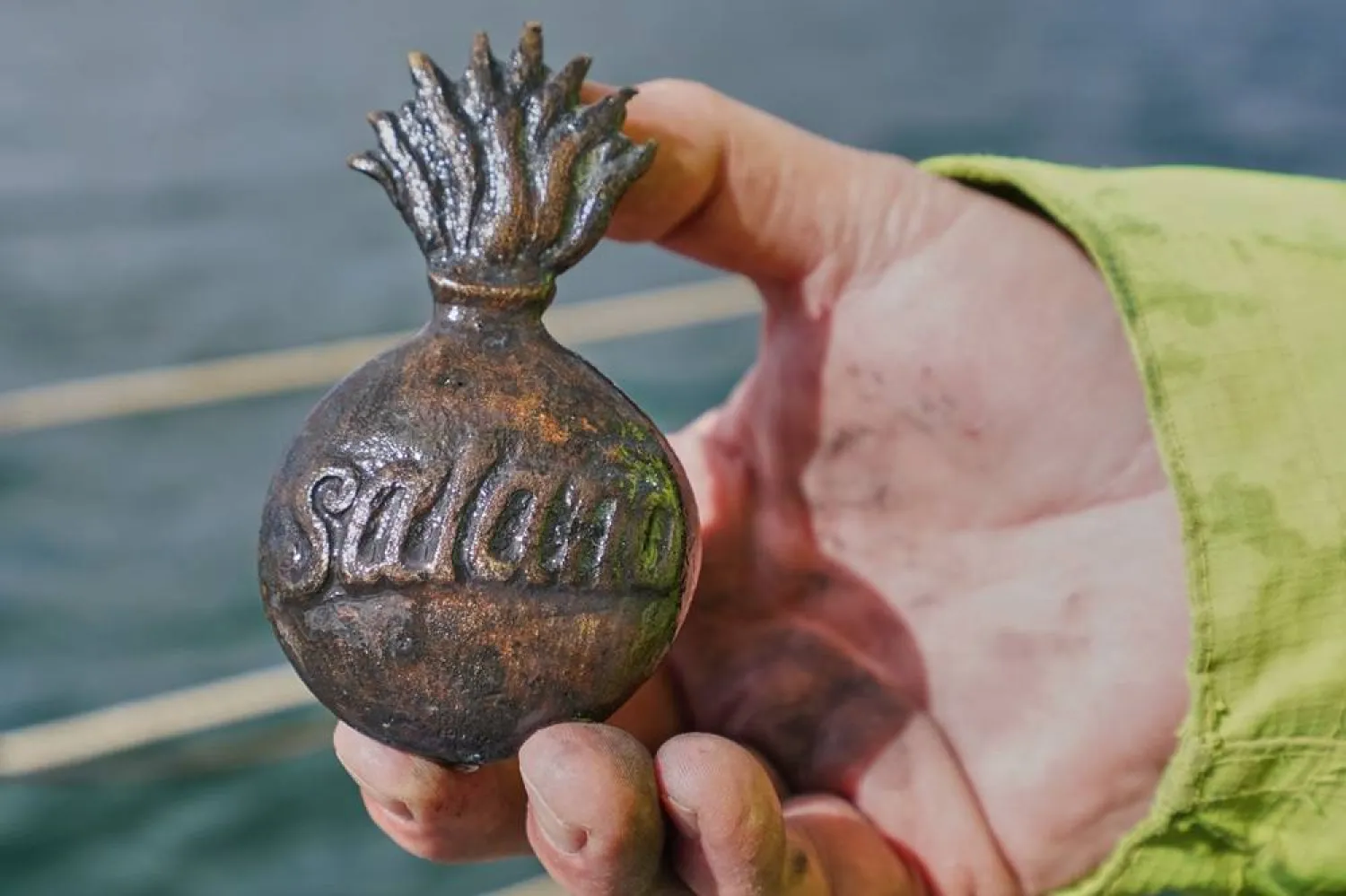
Research teams have uncovered a Danish warship sunk by the British fleet 225 years ago. This discovery marks a significant milestone in the study of European maritime history.
The ship, known as Nordland, was discovered in the waters of the North Sea, where it had been submerged for decades. This discovery reflects the importance of maritime history in understanding the conflicts that took place between European powers in past centuries.
Details of the Discovery
A group of maritime archaeologists announced the discovery of the ship during a search operation that lasted several months. The teams employed advanced techniques such as deep diving and underwater photography to accurately locate the ship. Preliminary examinations showed that the ship still retains many of its original components, allowing researchers the opportunity to study its design and the materials used in its construction.
This discovery is part of a broader project aimed at documenting the history of European naval forces, as Nordland was one of several Danish warships that participated in naval wars against the British fleet in the 18th century. It is believed that the ship carried a large crew and was equipped with advanced weaponry for its time.
Background & Context
The roots of the conflict between Denmark and Britain date back to the 17th century, when both nations sought to control maritime trade routes. In 1801, the Battle of Copenhagen occurred, witnessing a clash between the British fleet and the Danish fleet, resulting in the destruction of many Danish ships, including Nordland.
These discoveries are significant not only for understanding maritime history but also for shedding light on the conflicts that shaped international relations during that period. They also reflect technological advancements in diving and underwater research.
Impact & Consequences
This discovery could enhance cultural tourism in Denmark, as it may become an important site for visitors interested in maritime history. It could also lead to further research and studies on naval wars and their impact on international relations.
Moreover, this discovery may open the door for cooperation among European countries in the field of cultural and maritime heritage preservation, strengthening historical ties between these nations.
Regional Significance
While this discovery may seem distant from the Arab region, it highlights the importance of maritime history in shaping international relations. Arab countries can benefit from these experiences in promoting cultural tourism and scientific research, contributing to a deeper understanding of their maritime history.
In conclusion, the discovery of the Danish warship presents an opportunity to broaden the horizons of historical research and emphasizes the importance of preserving the cultural and maritime heritage that connects peoples.