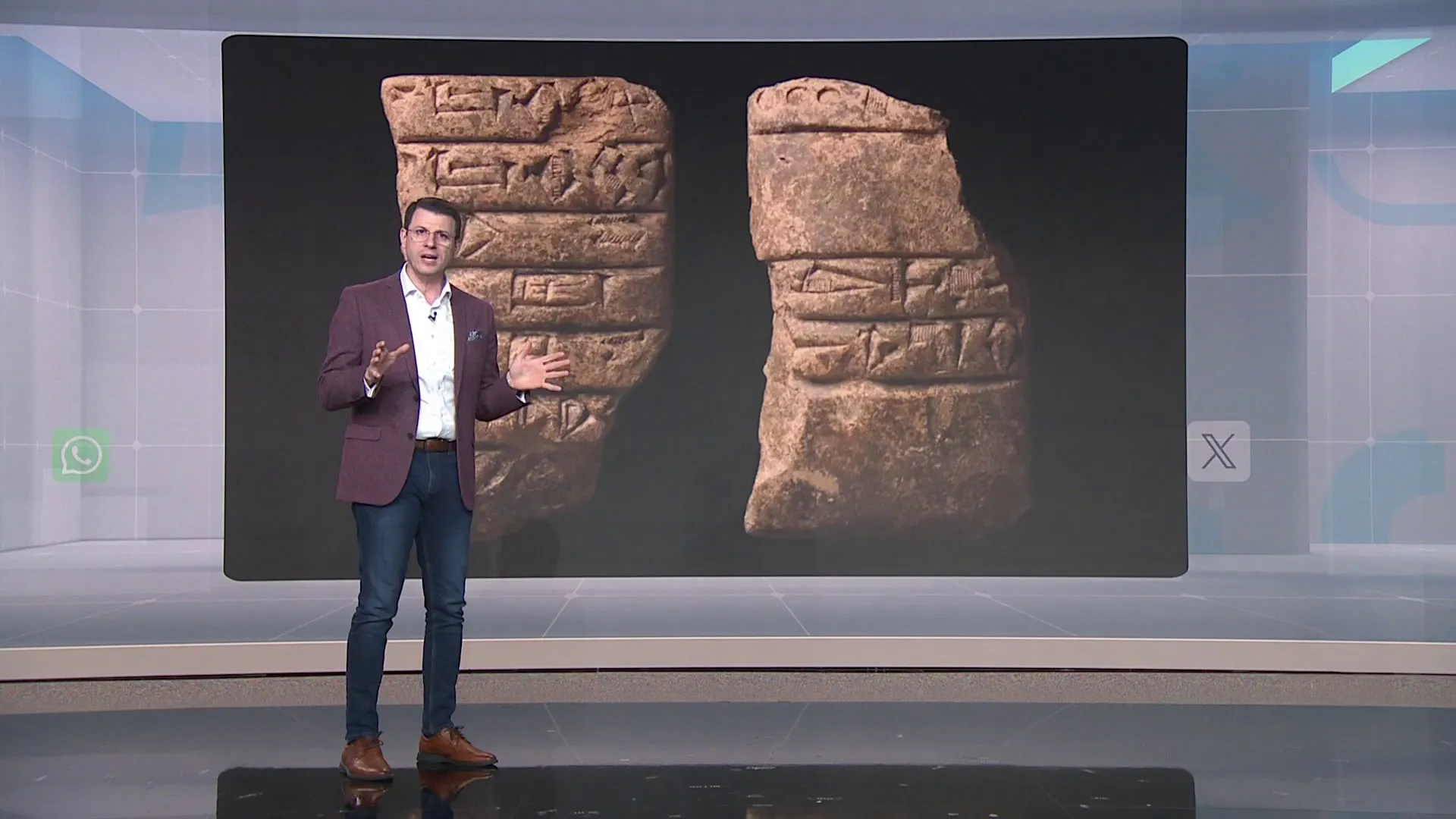
Historians and archaeologists in Iraq have successfully discovered archaeological documents from the time of the Akkadian Empire, emphasizing the importance of this finding that reveals the oldest and largest bureaucracy in the world. These documents, meticulously inscribed on clay tablets, document the details of daily life and the advanced administrative system that prevailed during that period.
These documents indicate that the Akkadians were not merely the cradle of writing but pioneers in the concept of an "institutional state." While the world was in its infancy, an Akkadian official recorded the details of his administrative day on a piece of clay, allowing humanity thousands of years later to glimpse the first successful governmental system in history.
Details of the Discovery
The discovered documents include precise records related to taxes, food distribution, and commercial transactions, reflecting the complexity of the Akkadian administrative system. These records also illustrate how the Akkadian society was organized and how resources were distributed, indicating a high level of administrative planning.
This discovery has sparked widespread debate in Iraq, with many activists linking these ancient documents to the contemporary phenomenon of bureaucracy that citizens face today. Some have expressed irony about the current situation, pointing out that the bureaucracy that was advanced in the past has now become an obstacle to many aspects of daily life.
Background & Context
The history of Iraq spans thousands of years and has been a center for ancient civilizations such as the Sumerians and Akkadians. These archaeological discoveries remind us of Iraq's significance as a cradle of knowledge and administration. While other civilizations were forming, the Akkadians laid the foundations for advanced administrative systems, contributing to the shaping of the modern state concept.
These documents are considered part of Iraq's cultural heritage and highlight the importance of preserving historical artifacts. Additionally, this discovery enhances Iraq's status in global archaeological research and reflects the richness of the region's history.
Impact & Consequences
This discovery could have a significant impact on our understanding of administrative and political history. It opens the door for new studies on how governmental systems have evolved over the ages. Furthermore, this discovery may encourage more investments in the field of archaeology and cultural heritage in Iraq.
Moreover, this revelation could contribute to strengthening national identity among Iraqis, as it shows them that their country was a pioneer in several fields, including administration and writing. This sense of pride can enhance the spirit of belonging among new generations.
Regional Significance
This discovery's impact extends beyond Iraq to encompass the entire Arab region. It reflects the rich cultural and historical heritage possessed by Arab countries, emphasizing the importance of preserving artifacts and supporting research in this field.
This discovery may also contribute to enhancing cooperation among Arab countries in the field of archaeology, opening new horizons for cultural and knowledge exchange. Shared history can serve as a foundation for greater collaboration in the future.
In conclusion, this discovery represents an important step toward a deeper understanding of Iraq's history and the cultural legacy it possesses. It also highlights the importance of scientific research in uncovering historical truths that shape our identity.