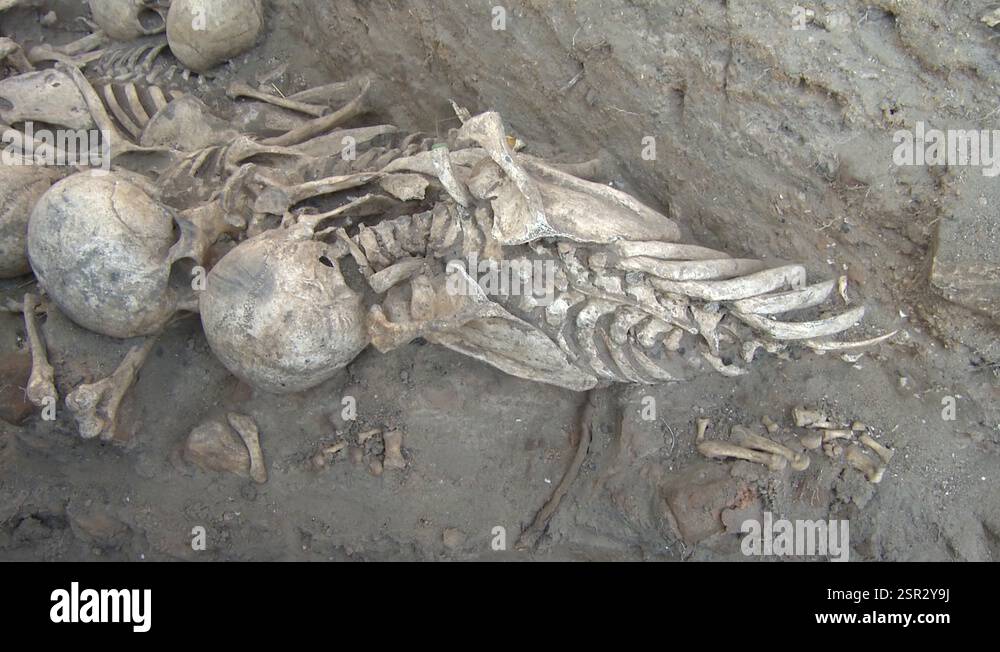
In an intriguing development, the Balai Pelestarian Kebudayaan Wilayah (BPKwil) XVIII of the Indonesian Ministry of Education and Culture has set temporary boundaries around the site where human bones were discovered in the Nabu region of Central Sulawesi. This decision was made following the discovery of the bones in January 2026, as they have not yet been excavated due to various safety and preservation concerns.
Chalid, an official from BPKwil XVIII, explained that the establishment of the boundaries was necessitated by the discovery being located in an open area, which requires additional protection. He pointed out that the site is situated on the edge of a rocky cliff near a road, further emphasizing the importance of safeguarding it.
Details of the Discovery
The human bones were found in the Nabu area, which is known for its rich cultural and historical heritage. A supervisor from BPKwil XVIII has been assigned to monitor the situation at the site periodically. Chalid confirmed that there are several options available for preserving the discovery, including keeping it as an exhibit in an open museum or relocating it to a safer location, such as a local museum or village office.
However, the process of relocation may be complicated due to the condition of the bones, which were found in a broken vessel within the ground, making it difficult to transport or even safely cover them again.
Background & Context
The Nabu region is considered one of the areas containing significant historical artifacts, dating back to prehistoric times. Numerous megalithic relics have been found in the area, making it an important destination for researchers and history enthusiasts. This new discovery highlights the importance of preserving cultural heritage, especially in light of the ongoing threats faced by archaeological sites worldwide.
It is worth noting that the Indonesian government has taken several steps in recent years to protect cultural heritage, including enhancing cooperation with local communities to ensure the preservation of archaeological sites.
Impact & Consequences
This discovery could have a significant impact on our understanding of human history in the region. The human bones may provide valuable information about the daily lives, customs, and social practices of the people who lived during that period. Additionally, this discovery could boost cultural tourism in the area, benefiting the local economy.
Furthermore, preserving this site could serve as a model for cultural heritage preservation efforts in other parts of Indonesia and the world.
Regional Significance
Although the discovery is located in Indonesia, it underscores the importance of preserving cultural heritage worldwide, including in Arab countries. Many Arab nations contain rich archaeological sites that require protection and care, reflecting the significance of international cooperation in heritage preservation.
In conclusion, this discovery in Nabu demonstrates how archaeological sites can provide insights into human history and the necessity of collective action to protect them.