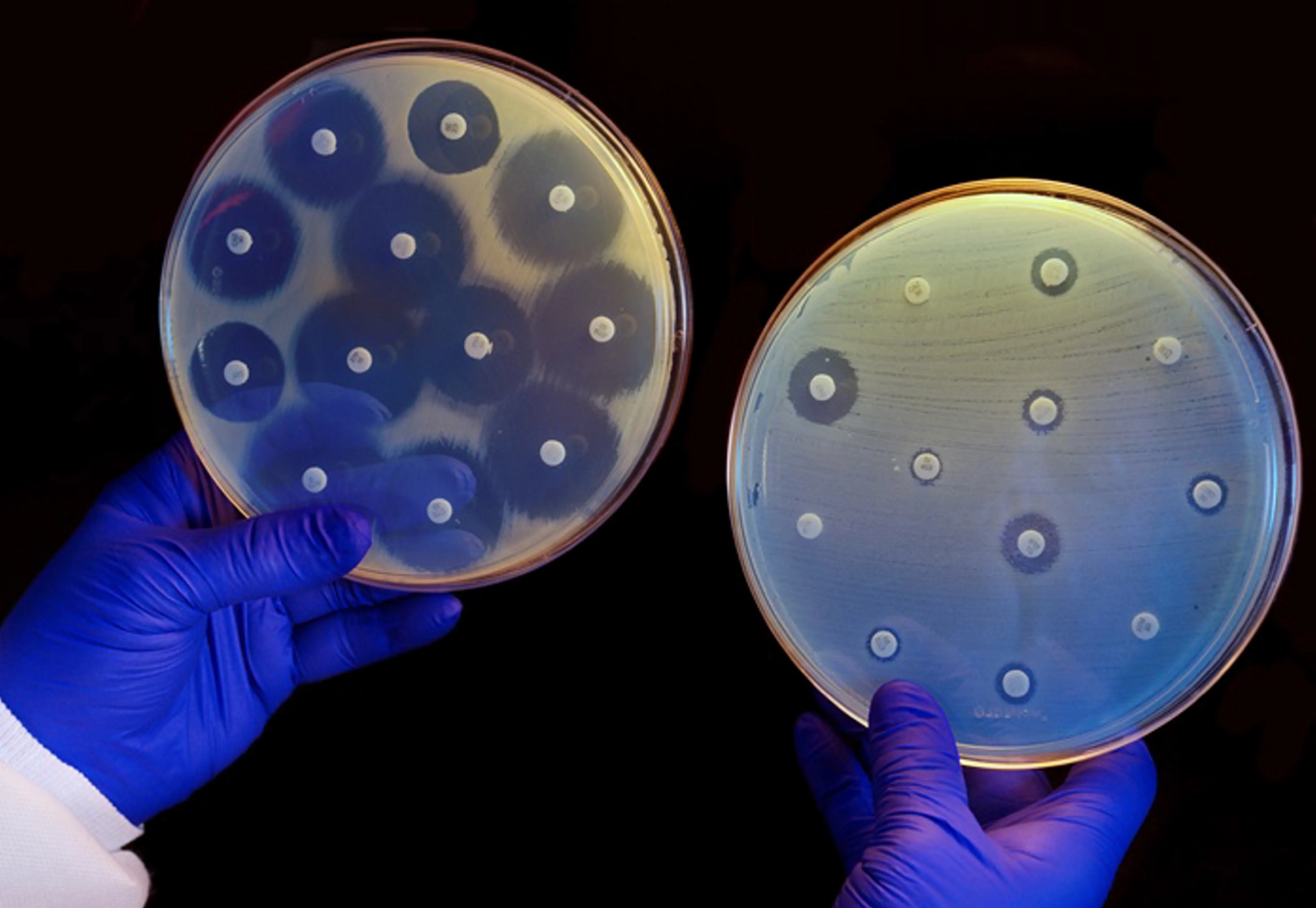
A team of researchers has utilized artificial intelligence techniques to discover new antibiotics capable of attacking drug-resistant bacteria. This achievement comes at a time when health systems worldwide are grappling with a crisis of antibiotic resistance, as cases of infections that do not respond to treatment are on the rise.
These new antibiotics are the result of intensive efforts in the field of medical research, where artificial intelligence was employed to analyze biological data and discover new compounds that could be effective against bacteria that have developed resistance to current medications.
Event Details
The researchers conducted in-depth studies on a range of resistant bacteria and used machine learning techniques to identify the characteristics that enable certain compounds to kill these bacteria. Initial experiments showed that the newly discovered antibiotics were effective in eliminating several strains of bacteria, opening new horizons in infection treatment.
It is noteworthy that these antibiotics are not only effective but also exhibit lower toxicity to human cells, making them a promising option for treating many infectious diseases.
Background & Context
Antibiotic resistance is considered one of the greatest health challenges facing the world today. According to the World Health Organization, bacterial resistance to drugs leads to the deaths of approximately 700,000 people annually, and this number is expected to rise to 10 million by 2050 if effective measures are not taken.
Historically, humanity has faced several health crises due to the emergence of resistant bacterial strains, necessitating the urgent need for new drug development. The use of artificial intelligence in this field represents a radical shift in how drugs are developed, as it can significantly accelerate the research and development process.
Impact & Consequences
This discovery could revolutionize the field of medicine, potentially leading to the development of new drugs that treat infections previously considered untreatable. Additionally, the use of artificial intelligence in medical research may pave the way for further innovations in the future.
Moreover, the success of these new antibiotics could encourage more investments in research and development, contributing to strengthening health systems' capacity to face future challenges.
Regional Significance
In the Arab region, antibiotic resistance is an urgent issue, as cases of resistant bacterial infections are increasing. The new discoveries may provide opportunities to improve healthcare and reduce deaths resulting from these infections.
Furthermore, enhancing scientific research in Arab countries can contribute to developing local solutions to health challenges, thereby strengthening health systems' ability to provide better care for citizens.
In conclusion, this discovery represents an important step towards improving public health and reflects the significance of innovation in addressing global health challenges. As research continues, we can hope for greater advancements in the fight against infectious diseases.