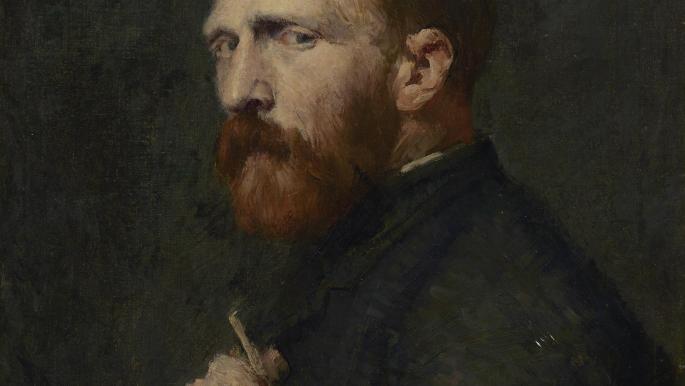
A painting believed to be by 19th-century artist Vincent Van Gogh has been discovered in Budapest, Hungary. This artwork may be a version of his famous piece 'The Dance Hall in Arles' and is currently undergoing rigorous scientific examination at the Zofia Vighvary laboratory.
This painting is considered one of the exciting artistic discoveries that could shed light on the works of Van Gogh, who is regarded as one of the most prominent artists in modern art history. If its attribution to him is confirmed, it will add a new dimension to our understanding of this creative artist's work.
Details of the Discovery
The painting, discovered under mysterious circumstances, has captured the attention of many art experts. It is believed that this version may have been produced during the same period that Van Gogh painted the original, making it historically and artistically intriguing. The ongoing scientific examination at the Zofia Vighvary laboratory aims to determine the painting's authenticity using advanced techniques.
Reports indicate that the painting may contain intricate artistic details that point to Van Gogh's style, including the use of vibrant colors and expressive techniques. This discovery comes at a time when the art world is experiencing a growing interest in the works of this artist, who left a rich artistic legacy despite his short life.
Background & Context
Vincent Van Gogh, who lived from 1853 to 1890, is considered one of the greatest artists in history. Although he did not achieve great fame during his lifetime, his works are now regarded as some of the most important pieces of art in the world. Paintings such as 'Starry Night' and 'Sunflowers' are displayed in major museums around the globe.
Historically, Van Gogh's works are characterized by experimentation and innovation, as he used colors in unconventional ways and developed new painting techniques. This new discovery could bring renewed attention to an important period of his artistic life and enhance his status as a pioneer of modern art.
Impact & Consequences
If the painting's attribution to Van Gogh is confirmed, it could have a significant impact on the art market, where its value is expected to increase dramatically. Van Gogh's artworks sell for astronomical prices, and any new discovery related to him is considered a historic event in the art world.
Moreover, this discovery could encourage further research and studies on Van Gogh's works, potentially leading to new findings that enhance our understanding of his art. The increasing interest in his works may also contribute to attracting more visitors to museums that exhibit his art.
Regional Significance
Although this discovery pertains to a European artist, it has implications for the Arab region in terms of enhancing interest in art and culture. This discovery could inspire Arab artists to reevaluate their works and draw inspiration from global artists like Van Gogh.
Additionally, visual arts are considered a means of cultural communication, and this discovery may contribute to enhancing cultural exchange between Arab countries and European nations, fostering mutual understanding and appreciation of diverse art forms.
In conclusion, the discovery of a potential Van Gogh painting in Budapest is an exciting event in the art world, bringing renewed attention to the legacy of this great artist. As scientific examinations continue, there remains hope that this painting will add a new dimension to our understanding of Van Gogh's art.