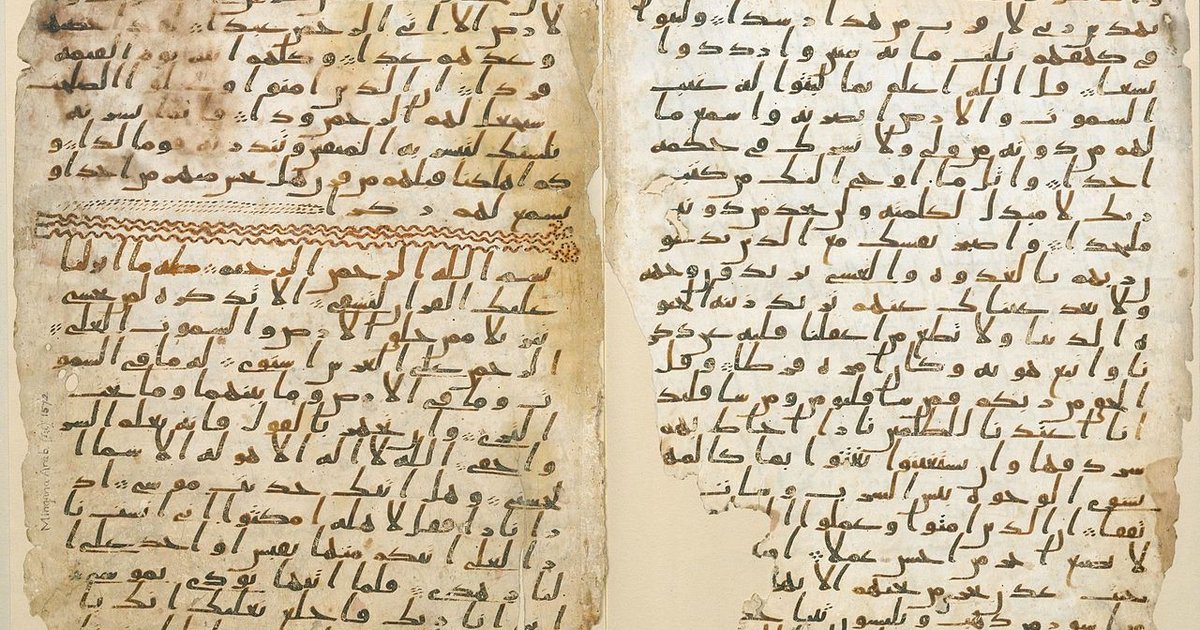
Historical sources have revealed the existence of a rare manuscript titled 'Gharib Al-Quran' dating back to the 4th Hijri century, reflecting the depth of Quranic studies during that period. This manuscript is a valuable addition to Islamic libraries and highlights the evolution of Quranic sciences.
The manuscript contains a collection of explanations and interpretations that reflect a deep understanding of the Holy Quran during that time. It also sheds light on how scholars dealt with Quranic texts and interpreted them in accordance with various contexts.
Event Details
The manuscript dates back to a period of flourishing Islamic culture, where religious sciences were developing significantly. Research has shown that this manuscript contains valuable information regarding the meanings of Quranic words and their interpretations, indicating the great efforts made by scholars in this field.
The manuscript is considered part of the Islamic cultural heritage, reflecting the intellectual efforts made by scholars in interpreting and understanding the Quran. It was found in one of the ancient libraries, opening the door for further studies about it.
Background & Context
In the 4th Hijri century, the Islamic world witnessed a significant cultural and scientific renaissance, where scholars sought to interpret the Holy Quran and provide accurate explanations for it. These efforts contributed to shaping the Islamic understanding of the Quran, enriching the Islamic library with many valuable manuscripts.
Manuscripts like 'Gharib Al-Quran' serve as evidence of the intellectual and religious interaction during that period, where sciences intertwined with philosophy and language, contributing to the enrichment of Islamic culture in general.
Impact & Consequences
This manuscript is an important addition to Islamic libraries, as it contributes to enhancing the deep understanding of the Holy Quran. It also opens the door for researchers to study the evolution of Quranic sciences through the ages, aiding in understanding the historical and cultural contexts that influenced the interpretation of Quranic texts.
This manuscript is expected to attract the interest of scholars and researchers in the field of Islamic studies, as it may shed light on new aspects of Quranic sciences and its interpretation.
Regional Significance
Historical manuscripts like 'Gharib Al-Quran' are part of the cultural and religious identity of the Arab world. These manuscripts reflect the intellectual efforts made by Arab scholars in interpreting the Quran, contributing to enhancing cultural pride among Arab communities.
Moreover, these discoveries contribute to promoting cultural tourism in the region, as they can attract visitors and researchers interested in the history of Islamic sciences and their development.
In conclusion, the manuscript 'Gharib Al-Quran' represents a new starting point for research and study in the field of Quranic sciences, reflecting the importance of Islamic cultural heritage in shaping Arab and Islamic identity.