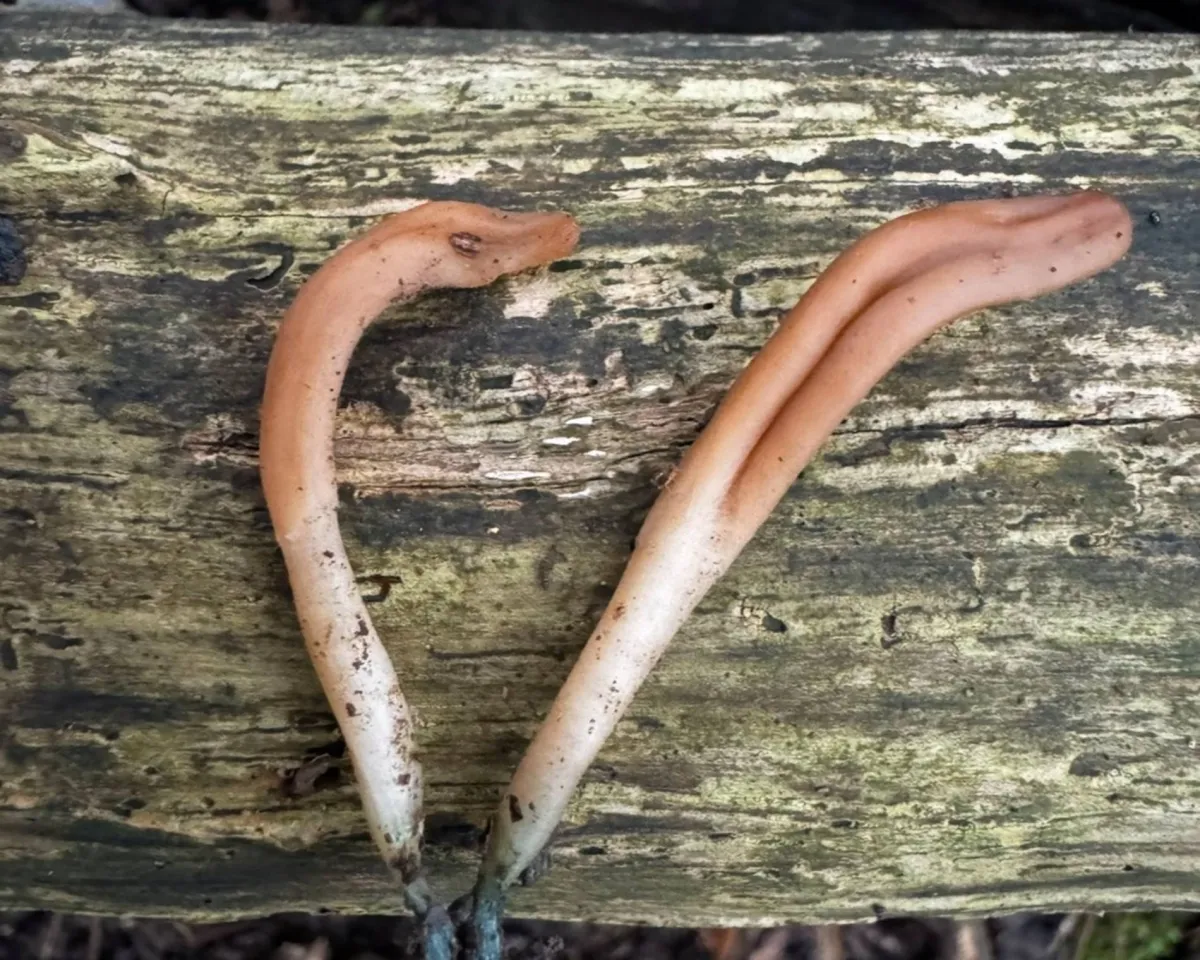
The Kingly Vale reserve in West Sussex, southern England, has recorded a unique discovery of a rare fungus known as Microglossum cyanobasis, which resembles a tongue. This is the first discovery of its kind in the United Kingdom and the second in Europe, reflecting the unique environmental value of nature reserves in the country.
This discovery was made by Liz Frost, a fungi enthusiast who regularly visits the reserve. In a blog post on Natural England, Frost expressed her astonishment, stating, "I still can’t quite believe what happened." She found the fungus while searching for fungi in the ancient yew forests of the reserve last December.
Details of the Discovery
The rare fungus stands about 45 to 55 millimeters tall and is known for its camouflage abilities, appearing as small tongues protruding from among moss and leaf litter. What distinguishes this species is its blue-hued stem base, which explains its name, as cyanobasis means blue base. The presence of tongue fungi is an indicator of high-quality natural habitats, demonstrating the true environmental value of the site.
The director of Kingly Vale reserve, Rachel Guy, emphasized the significance of this discovery, noting that it highlights the quality of natural habitats and affirms the value of national nature reserves in England. She added that the presence of the fungus indicates pristine grasslands and stable soil types, which are becoming scarce due to fertilization and land-use changes.
Background & Context
Nature reserves in England are among the most important areas contributing to biodiversity conservation, housing a diverse range of plant and animal species. The Microglossum cyanobasis fungus was first discovered in Spain in 2009, increasing the significance of this discovery in the UK.
Reserves aim to manage and care for the environment meticulously, contributing to exceptional outcomes such as this discovery. Experts indicate that maintaining these natural environments requires ongoing efforts to address the environmental challenges they face.
Impact & Consequences
The discovery of Microglossum cyanobasis serves as evidence of the importance of preserving biodiversity, contributing to understanding how environmental changes affect various species. This discovery reflects the urgent need to protect nature reserves from threats such as climate change and pollution.
It also highlights the importance of scientific research in the field of mycology, as such studies can enhance environmental awareness and guide policies toward environmental protection. This discovery presents an opportunity to shed light on the significance of fungi in ecosystems and their role in maintaining biodiversity.
Regional Significance
Nature reserves in the Arab world are also crucial areas contributing to biodiversity conservation, facing similar challenges to those encountered by reserves in England. This discovery in Britain could inspire Arab countries to enhance their efforts in protecting their natural environments and biodiversity.
It also underscores the importance of international cooperation in scientific research, where Arab nations can benefit from successful experiences in protecting nature reserves and promoting biodiversity. Raising environmental awareness in the Arab region can contribute to achieving sustainable development and preserving natural resources for future generations.
In conclusion, the discovery of Microglossum cyanobasis serves as a call to reflect on the importance of nature reserves and their role in preserving biodiversity, necessitating intensified efforts to protect these precious environments.