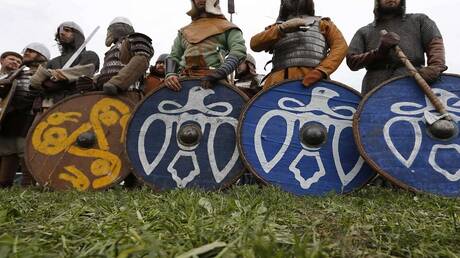
An archaeological discovery has unveiled Roman treasures dating back to 205 AD, shedding light on the fate of an ancient Scandinavian army. This army, consisting of around 1,000 fighters, crossed what is now the border between Denmark and Germany, believed to be mercenaries heading south to join the Roman Empire's forces.
These discoveries serve as evidence of the cultural and economic interactions between peoples during that period, as Scandinavian mercenaries sought to join the Roman forces, which held significant power and influence in Europe.
Details of the Discovery
The archaeological evidence uncovered in the area indicates that these warriors were not just ordinary mercenaries but part of a complex network of military and trade relationships. Reports suggest that these discoveries include coins and weaponry, reflecting a high level of organization and planning among them.
The discovered treasures also include a collection of jewelry and everyday tools, indicating the social and cultural life of these warriors. Some studies suggest that these mercenaries may have served in significant battles under the banner of the Roman Empire, reflecting their impact on military conflicts during that era.
Background & Context
In the 2nd century AD, the Roman Empire was at the height of its power, expanding in various directions. The Roman borders at that time required strong military forces for protection, leading to the recruitment of mercenaries from various regions, including Scandinavia.
Historically, Scandinavians were known for their bravery and combat skills, traits that were exploited by the Romans. There were trade and cultural relations between the Romans and Scandinavian peoples, contributing to the strengthening of these military ties.
Impact & Consequences
These discoveries serve as a window into the history of military relations between peoples, highlighting how wars and trade influenced the formation of societies. They also reflect the social and economic changes that occurred as a result of interactions between different cultures.
These findings may lead to a reevaluation of some historical concepts regarding the role of mercenaries in ancient wars and how they contributed to shaping major historical events. Furthermore, these results could open new avenues for research into the relationships between the Roman Empire and Scandinavian peoples.
Regional Significance
Although these discoveries pertain to historical events far from the Arab region, they underscore the importance of studying military history and its impact on various cultures. Researchers in the Arab region can benefit from these discoveries to understand how different cultures interacted over time.
Moreover, these discoveries enhance the importance of cultural and historical heritage, urging Arab countries to invest in archaeological research and the preservation of historical sites.
The archaeological discoveries revealing the fate of an ancient Scandinavian army reflect complex interactions between cultures, opening the door to a deeper understanding of military history and its impact on societies.