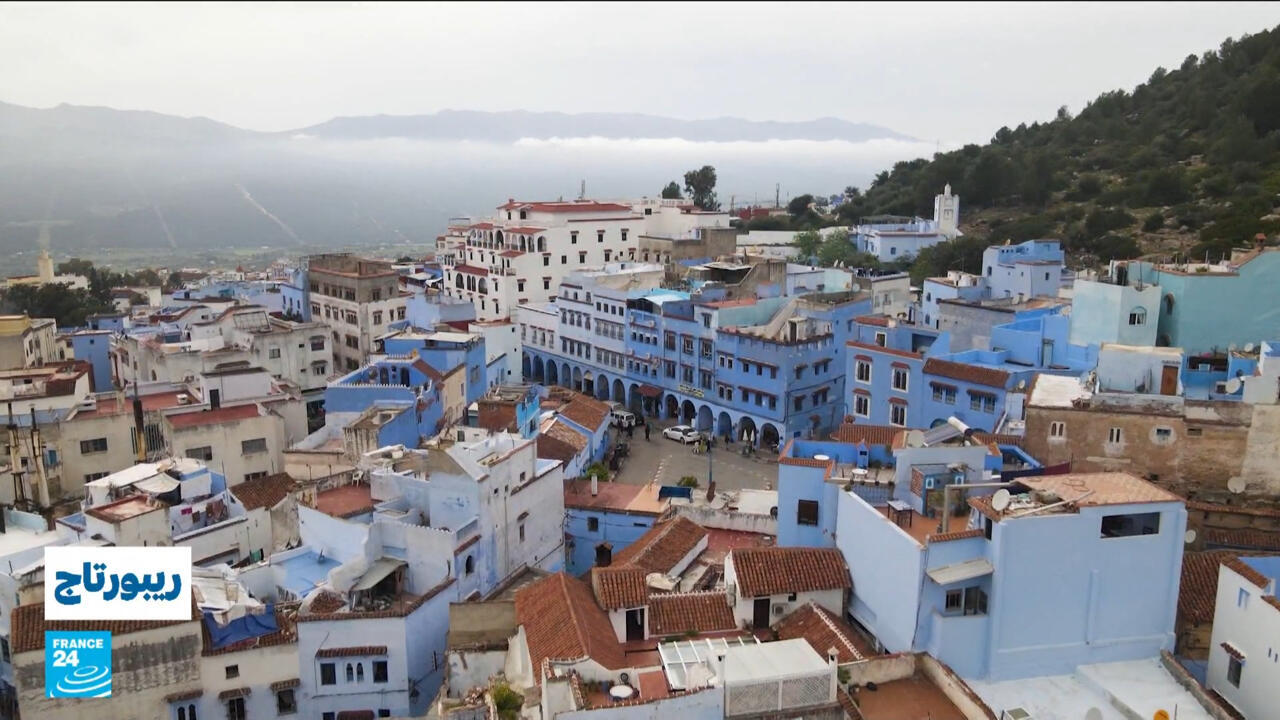
Chefchaouen, nestled in the heart of the Rif Mountains in Morocco, is renowned for its stunning blue alleys and captivating nature, making it a perfect year-round destination for visitors. Founded in 1471, this city combines rich history with unique beauty, attracting tourists from around the globe.
The city was initially established as a center for resisting Spanish colonization. Today, it is celebrated for its distinctive charm, with walls adorned in various shades of blue, creating a unique atmosphere that draws in visitors from all over the world.
Details of the Destination
Chefchaouen boasts a unique geographical location, surrounded by towering Rif Mountains that provide breathtaking landscapes. The city is not only a tourist destination but also a cultural hub that reflects authentic Moroccan heritage. Tourist activities in Chefchaouen range from wandering through its narrow streets to visiting historical landmarks such as the Grand Mosque and traditional markets.
Additionally, Chefchaouen serves as a center for arts and crafts, where visitors can purchase local products such as rugs and jewelry. The city hosts numerous cultural events that showcase the richness of Moroccan heritage.
Background & Context
The history of Chefchaouen spans centuries, playing a significant role in Morocco's past. Established as a fortress against invasions, the city evolved into a cultural and commercial center. Over the years, it has been influenced by various cultures, making it a melting pot of different traditions.
Today, Chefchaouen symbolizes peace and tolerance, with residents from diverse cultural and religious backgrounds coexisting. This diversity enhances tourism and makes the city a beloved destination for visitors.
Impact & Consequences
Tourism significantly contributes to Chefchaouen's local economy, providing job opportunities for many residents. As the number of tourists increases, the city has begun to witness developments in infrastructure, enhancing its capacity to accommodate visitors more effectively.
However, this tourism growth requires sustainable management to preserve the environment and cultural heritage. Continuous efforts must be made to maintain the city's beauty and history while ensuring that the local community benefits from the economic returns of tourism.
Regional Significance
Chefchaouen serves as a model for sustainable tourism in the Arab region. Its experience can inspire other cities in Morocco and Arab countries to develop their tourism in a way that preserves cultural and environmental heritage.
Moreover, Chefchaouen reflects the cultural diversity of the Arab world, enhancing communication between peoples and encouraging the exchange of ideas and experiences.
In conclusion, Chefchaouen remains a blue jewel in the Rif Mountains, captivating hearts before eyes, offering a unique travel experience that is worth visiting.