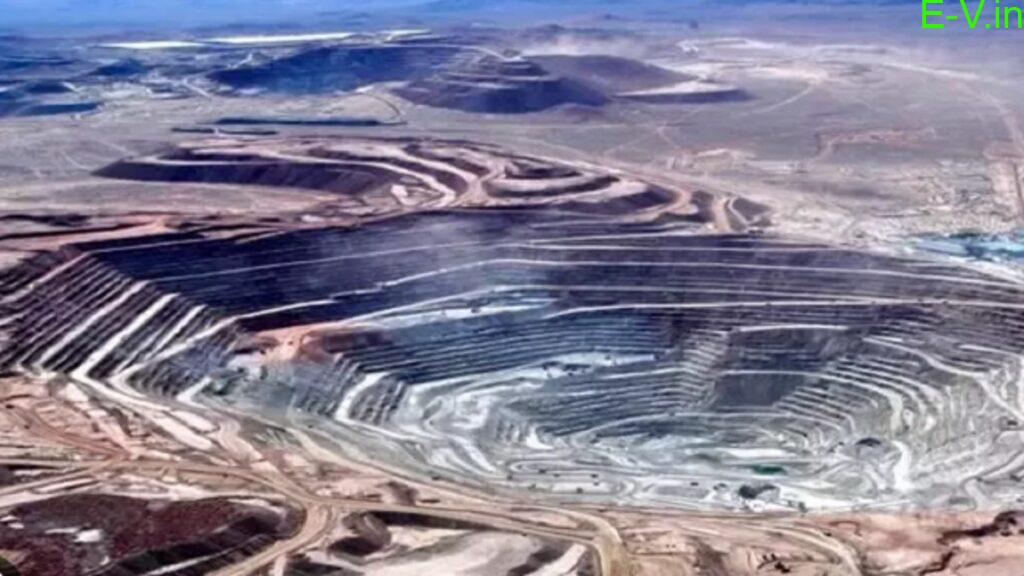
A new study by the U.S. Geological Survey reveals a significant lithium reserve in Appalachia, potentially reducing America's reliance on imports for decades. This discovery comes at a time of increasing demand for critical minerals, especially with the global shift towards electric vehicles.
Estimates suggest that the reserve in Appalachia is sufficient to power approximately 130 million electric vehicles, highlighting the vast potential of domestic resources in the United States. This finding underscores the importance of utilizing local natural resources to address global economic challenges.
Details of the Discovery
The Appalachia region is known for its rich mineral deposits, and recent studies have shown that it holds substantial lithium reserves, a vital component in battery manufacturing. This marks a significant shift in the United States' strategy to reduce dependency on imports of critical minerals, which often come from other countries like China.
The importance of lithium is growing amid the global transition to clean energy, as many countries strive to lower carbon emissions and achieve sustainable development goals. This discovery could bolster the American economy and create new job opportunities in the mining sector.
Background & Context
Historically, the United States has heavily relied on importing lithium from other countries, making it vulnerable to fluctuations in the global market. With the rising demand for electric vehicles, it has become essential to seek local sources to meet this increasing need.
In recent years, the U.S. has seen heightened efforts to explore local mineral resources. This discovery in Appalachia aligns with these efforts and reflects a trend towards enhancing economic independence in the field of critical minerals.
Impact & Consequences
This discovery could have significant implications for the American economy. If the lithium reserve is effectively harnessed, it could lead to reduced costs associated with mineral imports, contributing to lower prices for electric vehicles and increasing their competitiveness in the market.
Moreover, this finding could create new job opportunities in mining and manufacturing, thereby boosting economic growth in the region. Enhancing local lithium production may also help achieve the clean energy goals set by the U.S. government.
Regional Significance
Given the increasing importance of critical minerals, this discovery in Appalachia could also have repercussions for the Arab region. Many Arab countries are striving to enhance the use of renewable energy and may need to import the minerals necessary for battery manufacturing.
If the United States can reduce its reliance on imports, it may influence global prices for critical minerals, which could reflect on Arab markets. It is crucial for Arab nations to monitor these developments and seek opportunities to bolster their investments in the renewable energy sector.
The discovery of the lithium reserve in Appalachia represents a significant step towards enhancing the economic independence of the United States in the field of critical minerals. With the increasing demand for electric vehicles, this finding could contribute to achieving clean energy goals and create new job opportunities, reflecting the importance of utilizing local resources to face global economic challenges.