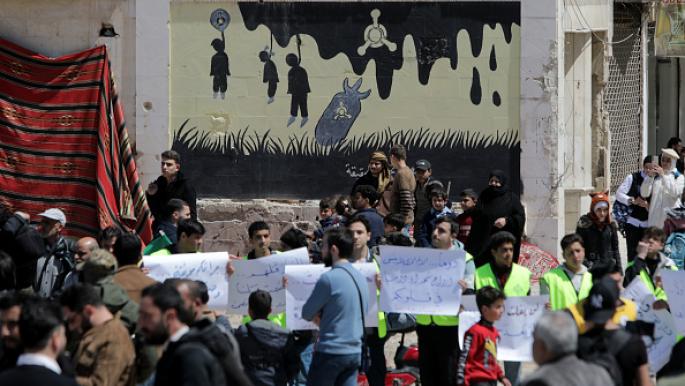
A Syrian official reported today that remnants of the secret chemical weapons program managed by Bashar al-Assad's regime have been found. This discovery raises concerns about the use of banned weapons in conflicts, prompting questions about the regime's commitment to international treaties.
Chemical weapons are among the most dangerous types of armaments, capable of causing severe harm to civilians and the environment. The Assad regime has used these weapons on several occasions during the ongoing conflict that has lasted for over a decade, leading to widespread international condemnation.
Details of the Discovery
According to the official, these remnants were found in an area that was previously under the regime's control. Specific details regarding the location or the nature of the materials discovered have not been disclosed, but this finding brings to mind the tragic events that Syria has witnessed in recent years.
It is noteworthy that the Assad regime has faced significant international pressure to eliminate its stockpile of chemical weapons, culminating in an agreement in 2013 to destroy these weapons. However, repeated reports of chemical weapon usage raise doubts about the regime's adherence to this agreement.
Background & Context
The Syrian conflict began in 2011 and escalated into a full-scale civil war, during which the regime employed various military tactics, including chemical attacks. These assaults have resulted in the deaths of thousands of civilians, prompting increased international intervention in Syrian affairs.
In recent years, numerous chemical attacks have been documented, leading to sanctions imposed on the regime by Western nations. Nevertheless, the situation in Syria remains complex, with overlapping regional and international interests.
Impact & Consequences
This discovery could have significant implications for international relations, potentially increasing pressure on the Syrian regime from the global community. It may also reopen the issue of chemical weapons in international forums, leading to new actions against the regime.
Furthermore, this finding could affect the security situation in the region, potentially escalating tensions among the various parties involved in the conflict. It may also raise concerns among neighboring countries wary of the repercussions of chemical weapon usage.
Regional Significance
This discovery serves as a stark reminder of the tragedies that Syria has endured and reflects the ongoing challenges faced by the Arab region in dealing with armed conflicts. It underscores the urgent need to enhance international efforts to prevent the use of banned weapons.
At the same time, this event may provoke reactions from other Arab nations, which may feel anxious about the implications of chemical weapon usage on regional security. It is crucial for Arab states to collaborate with the international community to ensure that such tragedies do not recur in the future.