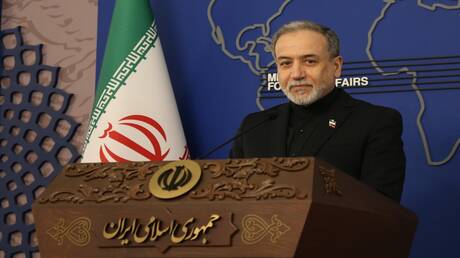
In the context of the current escalation in the Middle East, Iranian Foreign Minister Abbas Iraqji discussed the implications of the ongoing Israeli aggression against Lebanon with Lebanese Parliament Speaker Nabih Berri, as well as the attacks targeting Iran. This meeting comes at a time when fears are growing regarding the escalation of military tensions in the region, necessitating urgent diplomatic moves.
These discussions coincide with the rise in Israeli attacks on Lebanese territory, which are considered part of a broader strategy aimed at undermining Iranian influence in the region. Additionally, the attacks on Iran occur within the context of ongoing tensions between Tehran and its regional and international adversaries.
Details of the Meeting
The meeting between Iraqji and Berri took place in the Lebanese capital Beirut, where various dimensions of the current crisis were addressed. Both sides emphasized the necessity of enhancing cooperation between Iran and Lebanon to face shared challenges, including the Israeli military escalation. The importance of dialogue and communication between Arab and Iranian states to alleviate tensions was also underscored.
Iraqji pointed out that the Israeli aggression is not only an attack on Lebanon but also a threat to regional security. He called for the need to support the Lebanese resistance in the face of these aggressions, reaffirming Iran's steadfast position in supporting Lebanon during its crisis.
Background & Context
Historically, Iranian-Lebanese relations have experienced varying tensions, as Iran is considered a key ally of the Lebanese Hezbollah, which faces military and political challenges from Israel. In recent years, there has been an increase in Israeli attacks on Lebanon, exacerbating the humanitarian and economic situations in the country.
At the same time, Iran is suffering from increasing international pressures, especially following the United States' withdrawal from the nuclear agreement. These pressures contribute to rising tensions in the region, as Iran seeks to maintain its regional influence under these difficult circumstances.
Impact & Consequences
The potential implications of the meeting between Iraqji and Berri are manifold, as it could lead to strengthened cooperation between Iran and Lebanon in facing shared challenges. This meeting may also contribute to forming a united front against Israeli aggressions, which could alter the dynamics of the conflict in the region.
Moreover, military escalation could have negative repercussions on regional security, necessitating international community intervention for mediation. In this context, diplomatic efforts may play a crucial role in calming the situation and preventing the outbreak of conflict.
Regional Significance
The Arab region is significantly affected by the escalation in the Middle East, as any military escalation could lead to negative repercussions for neighboring countries. The situations in Lebanon and Iran could also impact stability in other countries such as Iraq and Syria.
Under these circumstances, Arab countries must adopt effective diplomatic policies to address these challenges and work on enhancing regional cooperation to confront common threats. Dialogue and understanding between Arab states and Iran may be key to achieving stability in the region.
The meeting between Iraqji and Berri reflects the importance of regional cooperation in facing increasing challenges and emphasizes the need to enhance dialogue as a means to ease tensions in the Middle East.