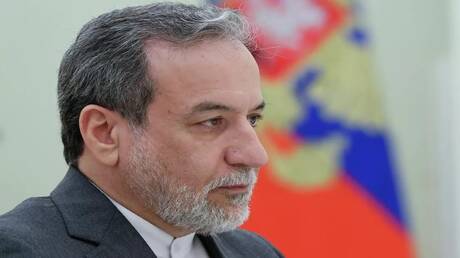
In a move reflecting growing concern over escalating Israeli violations, Iranian Foreign Minister Abbas Araghchi held a phone call with Pakistan Army Chief Asim Munir. The meeting specifically addressed the violations committed by Israel against the ceasefire in both Iran and Lebanon, highlighting the importance of regional cooperation to tackle security challenges.
This discussion occurs amidst rising tensions in the region, where the Iranian and Lebanese borders have witnessed intensified military movements by Israeli forces. This situation has raised alarms among several neighboring countries, prompting Iraq to enhance its communications with others to ensure security and stability in the area.
Details of the Discussion
The Iranian Foreign Ministry confirmed that Minister Araghchi expressed deep concern during the call regarding the repeated violations of the ceasefire, noting that these violations negatively impact regional security and escalate tensions. For his part, the Pakistan Army Chief expressed his country's support for Iran in facing these challenges, emphasizing the importance of coordination among Islamic countries to confront shared threats.
Additionally, the conversation touched on ways to enhance military and security cooperation between Iran and Pakistan, with an emphasis on the necessity of information sharing and coordination in security operations to address any potential threats. This cooperation is seen as a crucial step in bolstering regional security and providing a stable environment for neighboring countries.
Background & Context
Historically, the relationship between Iran and Pakistan has experienced numerous fluctuations; however, shared security challenges have contributed to strengthening cooperation between the two nations. In recent years, Israeli violations in the region have increased, prompting Islamic countries to reassess their security strategies.
Israel is considered one of the countries seeking to enhance its influence in the region, having conducted several military operations against targets in Lebanon and Syria, which has provoked strong reactions from neighboring countries. This situation underscores the urgent need to unify efforts to confront these threats.
Impact & Consequences
The Israeli violations of the ceasefire highlight the necessity for a collective response from Islamic countries. Cooperation between Iran and Pakistan could serve as a model for enhancing regional security and may lead to the formation of new alliances to tackle common challenges.
Moreover, these discussions could raise international awareness regarding Israeli violations, potentially contributing to pressure on the international community to take effective steps to protect the rights of affected countries.
Regional Significance
These developments are of great importance to the Arab region, as any escalation in tensions between Iran and Israel could impact the security and stability of neighboring Arab countries. Furthermore, strengthening cooperation among Islamic nations could contribute to building a united front to address security challenges.
In conclusion, this phone call between Araghchi and Munir reflects the importance of regional cooperation in confronting shared threats and underscores the need to strengthen relations among Islamic countries to ensure security and stability in the region.