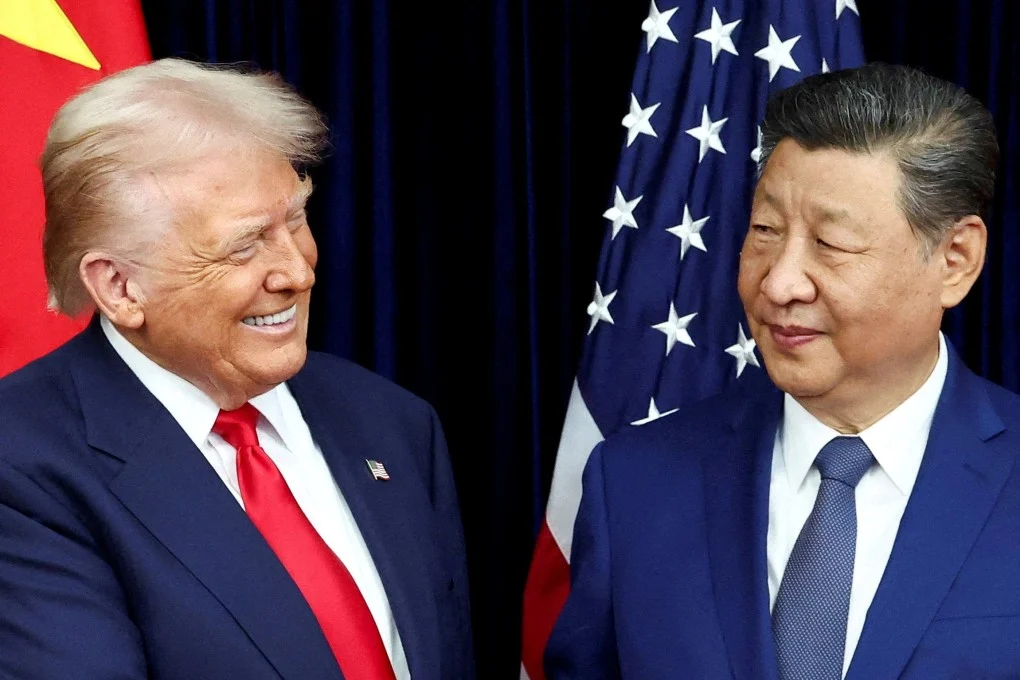
The focus is on the anticipated meeting between the leaders of the United States and China, where significant issues regarding the military use of artificial intelligence are expected to be raised. This visit occurs during a time of escalating tensions in the world, particularly due to the US-Iran conflict, which significantly affects global economic stability.
As the two largest economic and military powers in the world, the United States and China are seeking common ground to discuss how to safely utilize artificial intelligence in military domains. These discussions could be crucial in determining the future of relations between the two nations, especially given the current geopolitical challenges.
Event Details
Trump's visit to China comes at a time of economic uncertainty, with global markets affected by conflicts in the Middle East. Artificial intelligence is one of the most prominent fields in which major powers are competing, making it essential to establish clear rules for the military use of this technology.
Calls from various political and military circles in both countries are increasing for talks on the safe use of artificial intelligence. This matter is deemed necessary to avoid any unintended escalation that could lead to military conflicts.
Background & Context
Historically, relations between the United States and China have been characterized by both competition and cooperation. Since the beginning of the 21st century, these relations have undergone significant transformations, with China emerging as a prominent military and economic power. In recent years, tensions have escalated due to trade and technology issues, increasing the importance of dialogue regarding the military applications of modern technology.
Artificial intelligence is considered a revolution in the tech world, utilized in various fields including defense and security. However, its military application raises significant ethical concerns and potential implications for international security.
Impact & Consequences
If the United States and China succeed in reaching an agreement on the safe use of artificial intelligence, it could lead to a shift in international relations. Such an agreement may help reduce military tensions and enhance opportunities for cooperation in other areas such as trade and the environment.
Conversely, if the two countries fail to reach a consensus, it could escalate tensions and increase the arms race in technology. This scenario could negatively impact security and stability in multiple regions around the world.
Regional Significance
The Arab region is significantly affected by the tensions between the United States and China, particularly in light of the US-Iran conflict. Any escalation in relations between the two powers could impact the stability of energy markets, reflecting on the Arab economy as a whole.
Moreover, cooperation in artificial intelligence could open new avenues for Arab countries to leverage this technology in development and innovation sectors. Therefore, monitoring these developments will be crucial for the interests of Arab nations.
The upcoming meeting between US and Chinese leaders represents a historic opportunity to discuss vital issues related to global security. Amid increasing challenges, there remains hope for progress in this field.