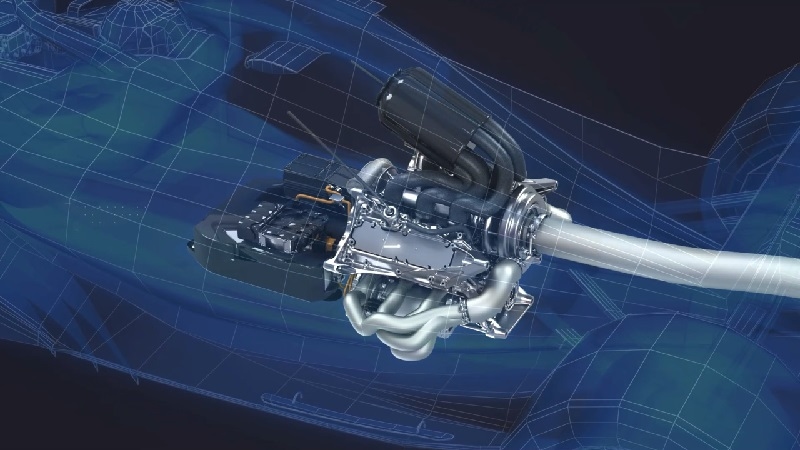
A series of meetings begins today in London among leading technical minds in Formula 1 to discuss new engine regulations following three rounds of the season. The discussions are expected to focus on energy management and necessary performance adjustments, as drivers face new challenges related to balancing energy between the electric motor and the combustion engine.
The initial agenda of the meetings includes topics such as "boosting speed and braking" and "super reduction," which are new strategies requiring drivers to modify their driving styles. They will need to ease off the throttle in high-speed corners to recharge the battery, altering the dynamics of the race.
Event Details
These meetings come after the cancellation of the races in April in Bahrain and Saudi Arabia due to regional conflicts, giving teams the opportunity to assess performance under the new regulations. The International Automobile Federation (FIA) has confirmed the need to gather and analyze data before making any decisions regarding potential adjustments.
The meetings today involve a group of technical experts, with team managers absent, as ideas and available options will be discussed. Another meeting is scheduled for next week to share the results with team managers and Formula 1 heads.
Background & Context
These changes in engine regulations are part of Formula 1's efforts towards sustainability and reducing emissions. The new engines represent a blend of electric power and fuel combustion, aimed at enhancing performance while minimizing environmental impact. However, these new rules have sparked controversy among drivers, with some expressing concerns about their impact on race safety.
Historically, Formula 1 has seen significant rule changes, but these alterations are considered among the most important in decades. Adapting to these new regulations requires substantial time and effort from both teams and drivers.
Impact & Consequences
These changes affect how teams manage their racing strategies, as they must now consider how to use energy more efficiently. The new energy management requires drivers to make quick decisions about when to accelerate and when to ease off.
There are also safety concerns, as significant speed differences between cars can lead to unexpected accidents. Some drivers, such as four-time world champion Max Verstappen, have voiced worries that these changes may make races less competitive.
Regional Significance
Formula 1 racing is an important event in the Arab region, with Bahrain and Saudi Arabia hosting races in recent years. The growing interest in this sport in the region reflects a desire to enhance sports tourism and attract investments.
As the new regulations continue to develop, the region is expected to play a larger role in hosting major events in the future, further solidifying its position on the global sports map.
The current meetings represent a significant step towards improving performance in Formula 1 and will have far-reaching implications for how teams manage racing strategies in the future.