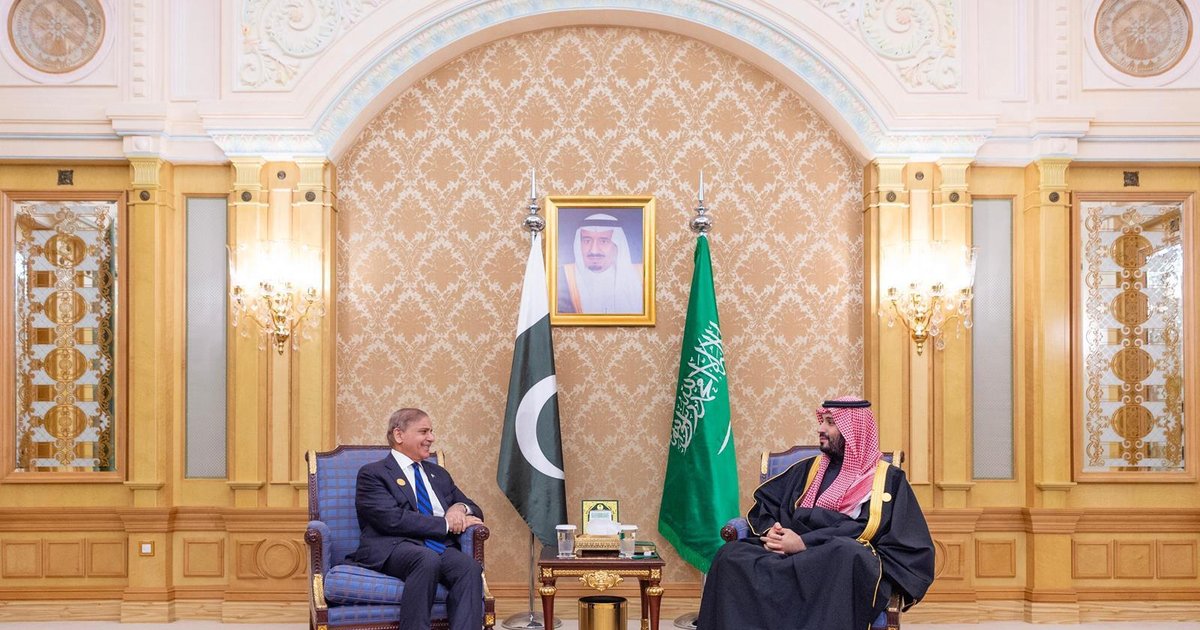
Pakistani Prime Minister Shahbaz Sharif held a phone conversation on Wednesday with Saudi Crown Prince Mohammed bin Salman, during which they addressed Pakistan's diplomatic efforts in light of the tense regional situation. During the call, Sharif emphasized the importance of de-escalation and resolving disputes through dialogue, highlighting the role of diplomacy in enhancing stability in the region.
This conversation comes at a time when the region is witnessing increasing tensions, necessitating intensified diplomatic efforts among the concerned countries. Sharif pointed out that Pakistan is always striving to maintain good relations with all parties and is working towards achieving peace and stability in the region.
Details of the Conversation
In the phone call, Shahbaz Sharif discussed a range of regional and international issues, informing the Saudi Crown Prince about the initiatives Pakistan is adopting to promote dialogue among disputing nations. The importance of cooperation between Pakistan and Saudi Arabia in facing common challenges was also underscored.
The Saudi Crown Prince showed great interest in the efforts being made by Pakistan, praising its effective role in enhancing regional security. The conversation also touched upon the bilateral relations between the two countries and ways to strengthen them across various fields.
Background & Context
Historically, Pakistan and Saudi Arabia have enjoyed close relations, with Saudi Arabia being one of Pakistan's key allies in the Arab world. The relationship between the two countries has seen significant development in recent years, particularly in the fields of economy and defense.
This conversation takes place against the backdrop of multiple crises affecting the region, including conflicts in Yemen and Syria, and tensions between Iran and Arab states. In this context, Pakistan seeks to play a mediating role in resolving disputes, reflecting its steadfast commitment to regional peace and stability.
Impact & Consequences
This conversation is considered an important step in enhancing cooperation between Pakistan and Saudi Arabia and may contribute to alleviating regional tensions. If Pakistan succeeds in making progress in its diplomatic efforts, it could lead to an overall improvement in the regional situation.
Furthermore, enhancing dialogue among the conflicting parties could open new avenues for economic and political cooperation, benefiting all countries in the region. The stability of the region is vital not only for the concerned nations but also for global security.
Regional Significance
Arab countries are directly affected by regional tensions, as any escalation could lead to serious repercussions on security and stability. Pakistan's diplomatic efforts may contribute to creating a more stable environment, allowing Arab nations to focus on economic and social development.
In light of increasing challenges, these initiatives represent an opportunity to strengthen cooperation between Arab countries and South Asian nations, which could help achieve mutual interests in the long term.
In conclusion, this conversation highlights the importance of diplomacy in resolving disputes and affirms the vital role Pakistan can play in promoting peace and stability in the region. Dialogue is the optimal path to achieving common goals, and all concerned parties must work together to realize this.