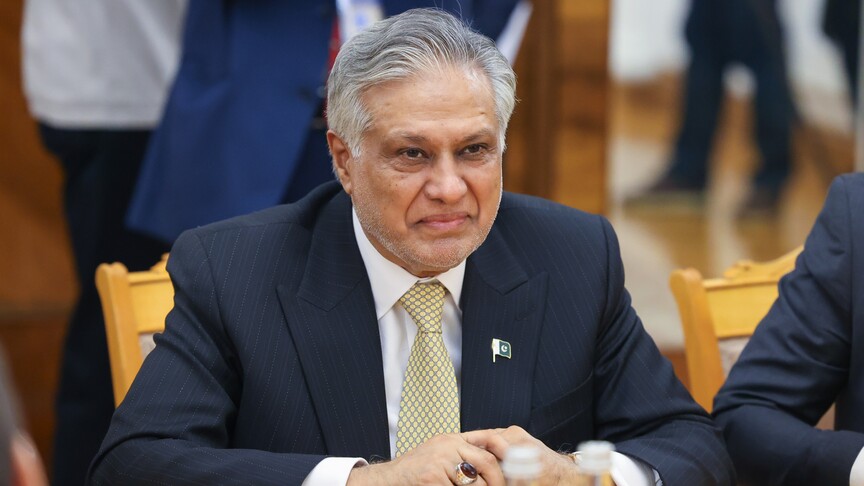
The Pakistani Foreign Minister engaged in a significant meeting with the UN Secretary-General, highlighting the importance of international cooperation in addressing the challenges facing the Middle East. During the meeting, urgent issues affecting regional stability were discussed, with the Secretary-General emphasizing Pakistan's positive role in promoting peace and security.
The Secretary-General noted that Pakistan has a long history of active participation in international efforts to achieve stability, reflecting its deep commitment to global issues. The discussion also covered ways to enhance cooperation between Pakistan and the United Nations in various fields, including counter-terrorism and humanitarian assistance.
Details of the Meeting
During the encounter, opinions were exchanged regarding the ongoing crises in the Middle East, including the persistent conflicts in several countries and their impact on regional security. The Pakistani Foreign Minister expressed readiness to support initiatives aimed at achieving peace, indicating that Pakistan is closely monitoring developments in the region.
The meeting also addressed the importance of enhancing dialogue among the concerned nations, with the Secretary-General stressing the need for collective action to tackle common challenges. It was reaffirmed that stability in the Middle East can only be achieved through cooperation and understanding among all parties involved.
Background & Context
Historically, Pakistan has played a significant role in regional and international politics, participating in numerous diplomatic initiatives. Recent years have seen a rise in tensions in the Middle East, increasing the importance of Pakistan's role as a potential mediator in conflict resolution.
Moreover, Pakistan is considered a major player in the Organization of Islamic Cooperation, enhancing its influence on issues related to the Islamic world. This role bolsters its standing in the international community and allows it to impact critical decisions.
Impact & Consequences
The constructive role that Pakistan plays can contribute to improving relations among conflicting nations in the Middle East. By fostering dialogue and cooperation, Pakistan can help reduce tensions and achieve stability.
Additionally, Pakistan's support for peace initiatives can strengthen its position on the international stage, enabling it to gain greater support from the global community on its internal and external issues.
Regional Significance
Developments in Pakistan are particularly significant for Arab countries, as stability in Pakistan can positively influence regional security. Cooperation between Pakistan and Arab nations can help address common challenges, such as terrorism and extremism.
In conclusion, the meeting between the Pakistani Foreign Minister and the UN Secretary-General represents an important step toward enhancing international cooperation in addressing crises in the Middle East. Pakistan's positive role can have far-reaching effects on regional and global stability.