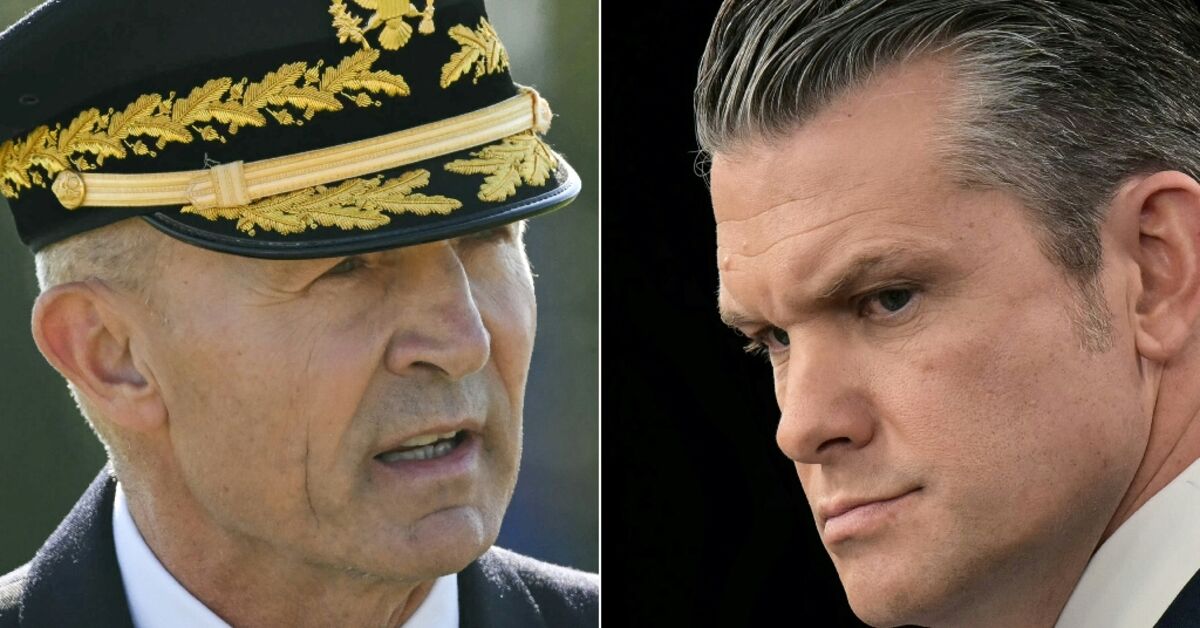
The US administration announced on Friday the dismissal of General Randy George, Chief of Staff of the US Army, along with two other senior military officials, in an unexpected move that comes at a critical time as US forces are involved in a major conflict against Iran. This dismissal represents the latest episode in a series of notable changes in military leadership since President Donald Trump returned to office a year ago.
This step comes at a sensitive time, as tensions in the Middle East are escalating, raising questions about the military and strategic stability of the United States in the region. Defense Secretary Mark Esper is the one who dismissed General George, reflecting significant shifts in American military leadership.
Details of the Dismissal
The dismissal of General Randy George is not just an ordinary change; it is part of a comprehensive restructuring of US military leadership. General George has held the position of Chief of Staff for some time and has faced numerous challenges, including managing military operations in the Middle East. This dismissal may reflect dissatisfaction with his strategies or the outcomes of current military operations.
These changes come at a time when US military operations against Iran are intensifying, with increasing concerns about the escalation of conflict in the region. Dismissing General George could lead to changes in American military plans and may affect how the United States addresses Iranian threats.
Background & Context
Since President Trump returned to power, the US military leadership has undergone several significant changes. These changes reflect the current administration's approach to military and security issues. In recent years, there have been calls to reassess US military strategies, especially amid rising tensions with Iran.
General George was part of the military leadership that faced significant challenges in managing military operations in the Middle East. His dismissal may indicate the administration's desire to change the approach taken in dealing with crises in the region.
Impact & Consequences
The dismissal of General George could lead to significant changes in the United States' strategy towards Iran. This move may reflect the administration's desire to adopt a more assertive or flexible approach in dealing with threats. These changes are likely to affect US relations with its allies in the region, as well as the stability of the security situation in the Middle East.
Changes in military leadership may also lead to a reassessment of American military priorities, which could impact how resources are allocated and attention is given to various security issues. Given the current circumstances, these changes could have far-reaching effects on US foreign policy.
Regional Significance
Changes in US military leadership are of great importance to the Arab region, as many countries are affected by US policies in the Middle East. The dismissal of General George could lead to changes in how the United States addresses regional issues, including conflicts in Syria and Iraq.
Moreover, the escalating tensions with Iran may affect regional security, prompting Arab countries to take clear positions regarding these developments. In light of these circumstances, the question remains how Arab nations will respond to these changes and whether they will impact their security strategies.