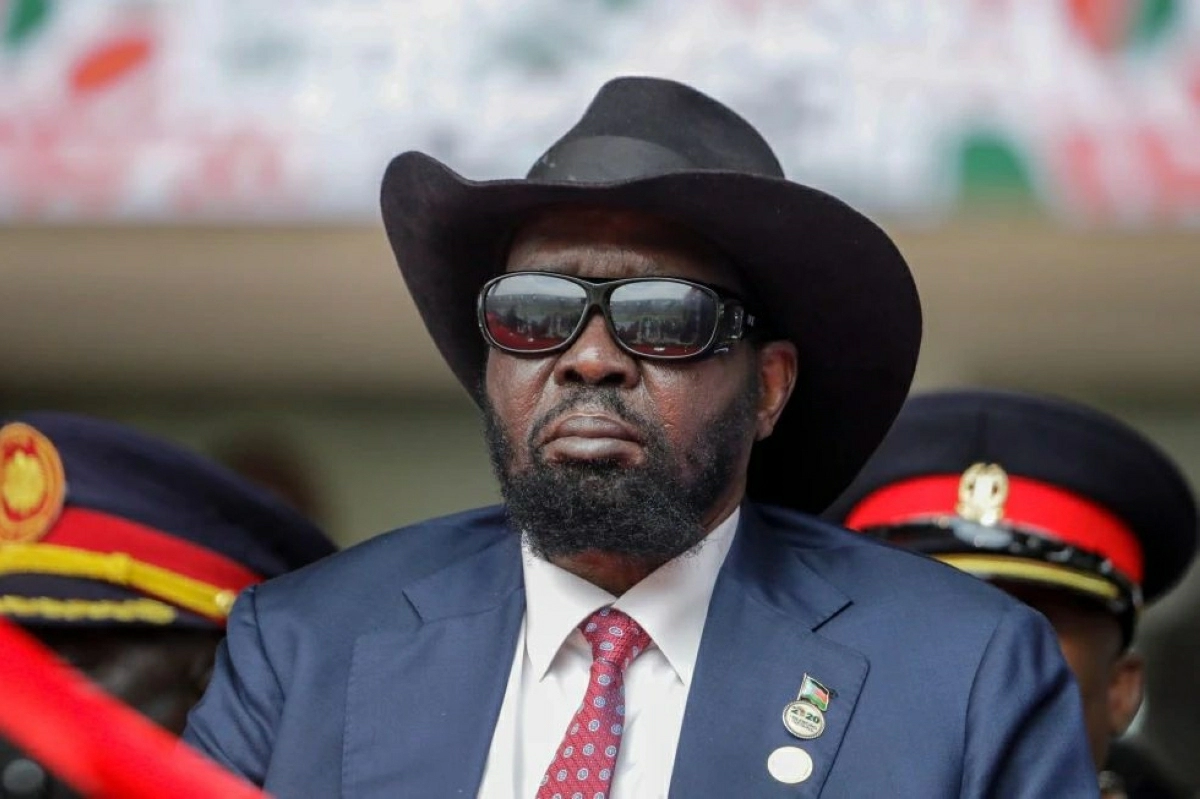
South Sudan's President, Salva Kiir, has unexpectedly dismissed the Speaker of Parliament, Jemma Nunu Kumba, and her deputy, Parmina Oriel Aliwang, following allegations of corruption and mismanagement of funds. This decision was announced during a parliamentary session on Tuesday, where Togio Odongji Ayahu, the leader of the parliamentary bloc for the Sudan People's Liberation Movement, read the decree outlining the dismissals.
The dismissals come at a sensitive time as the country faces significant political and economic challenges. Jemma Kumba, who was the first woman to hold the position of Speaker in South Sudan's history, has not yet issued any comments regarding the allegations against her. Joseph Ngiri Basiko has been appointed as the new Speaker of Parliament, while Abuk Baiti Ayiik will serve as her deputy.
Details of the Dismissal
The allegations against Kumba pertain to the management of public funds, which has sparked widespread controversy within political circles. This decision is seen as part of Salva Kiir's strategy to consolidate his power amid increasing challenges facing his government. Earlier, Kiir dismissed the former Minister of Finance, Bak Barnaba Choul, just three months after he took office, highlighting the political instability in the country.
Concerns are growing that these dismissals may lead to further divisions within the government, as South Sudan has been grappling with internal conflicts since gaining independence from Sudan in 2011. Corruption is viewed as one of the main factors hindering development and stability in the nation.
Background & Context
South Sudan was established as an independent state after years of conflict with Sudan; however, the country has faced significant challenges since then. Ethnic and political disputes, coupled with rampant corruption, have exacerbated humanitarian conditions. The Parliament is considered one of the essential institutions in nation-building, and the dismissal of its Speaker and Deputy may reflect the instability that impedes progress.
In recent years, the country has witnessed multiple attempts to achieve peace and stability, but these efforts have often faltered due to internal conflicts. The recent dismissals indicate that the government continues to struggle with addressing issues of corruption and governance.
Impact & Consequences
Analysts suggest that this move may lead to further instability in the country, as frequent changes in leadership could undermine trust in government institutions. Additionally, the allegations of corruption may negatively impact international relations, particularly with donor countries that provide financial and humanitarian support.
These events are likely to escalate tensions between various political factions, complicating peace efforts. At the same time, these dismissals may be used by Kiir as a means to strengthen his authority in the face of growing opposition.
Regional Significance
The situation in South Sudan holds particular importance for the Arab region, as stability in this nation can affect regional security. Recent events demonstrate that corruption and political instability can exacerbate humanitarian crises, necessitating the attention of Arab nations and the international community.
Under these circumstances, Arab countries must closely monitor developments in South Sudan, as any escalation in conflict could impact regional security and increase the flow of refugees to neighboring countries.