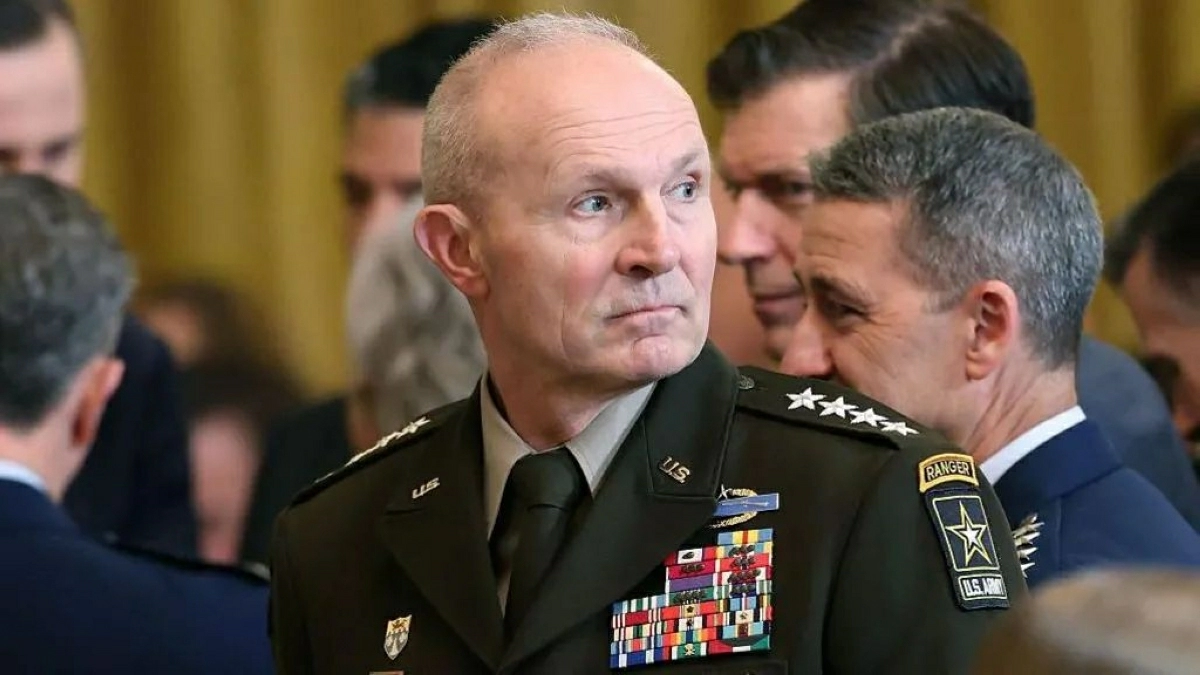
On Thursday, U.S. Secretary of Defense Pete Hegseth unexpectedly dismissed Army Chief of Staff General Randy George and three other generals, in a surprising move amid escalating tensions with Iran. General George was informed of his dismissal during a phone call while he was in a meeting, which sparked mixed reactions within the U.S. Department of Defense.
The dismissals also included General William Green Jr., the Chief Chaplain, and General David Hodney, Commander of the Army's Training and Doctrine Command. General George, who was appointed in 2023 by former President Joe Biden, is considered one of the prominent military leaders in the United States, having served as Army Chief of Staff for four years.
Details of the Dismissal
These dismissals came just one day after President Donald Trump delivered a speech announcing the U.S. intention to intensify military pressures on Iran, raising questions about the timing of the decision and its impact on military leadership. Pentagon spokesperson Shawn Parnell confirmed the news of General George's dismissal, praising his long service in the U.S. Army.
The decision surprised senior military leaders, who did not expect such an abrupt announcement. One official noted that the dismissal came at a critical time as the military is deploying forces and relying on providing integrated air defense capabilities.
Background & Context
Historically, U.S.-Iranian relations have seen increasing tensions, especially following the U.S. withdrawal from the Iranian nuclear deal in 2018. Since then, military tensions have escalated, leading to a series of clashes and military operations in the region. These dismissals occur at a sensitive time, with attention focused on how they will affect U.S. military strategy in the Middle East.
General George, who had recently met with troops at the West Point Academy, was considered a pivotal figure in directing military operations. However, it appears that the strained relationship between Hegseth and George, along with political pressures, led to this unexpected decision.
Impact & Consequences
These dismissals raise questions about the stability of U.S. military leadership at a time when tensions with Iran are escalating. The removal of prominent military leaders could impact the Army's strategies and military operation planning. Additionally, this move may reflect instability within the Department of Defense and new directions in U.S. military policy.
These changes are expected to lead to a reassessment of military leadership and U.S. military strategy in the region, which could affect relations with U.S. allies in the Middle East.
Regional Significance
Countries in the region are directly affected by the rising tensions between the U.S. and Iran, as any military escalation could lead to widespread repercussions for Gulf Arab states. Furthermore, these developments could reshape regional alliances and impact stability in Iraq and Syria.
In conclusion, developments in U.S.-Iranian relations remain under scrutiny, as any changes in military leadership could influence U.S. strategy in the region, necessitating close monitoring by Arab states.