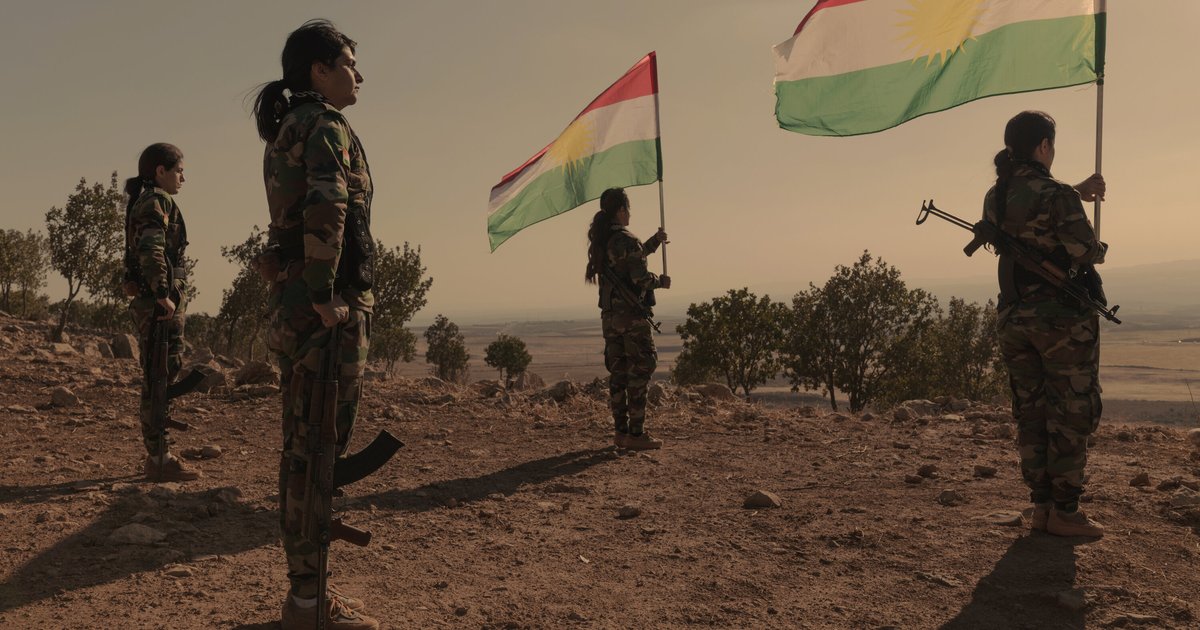
Local sources have reported that armed conflict in Iran has resulted in the displacement of around 180,000 families, shedding light on the worsening humanitarian conditions in the country. This mass displacement comes at a time when Iran is grappling with political, economic, and social crises, complicating the situation further.
Reports indicate that the conflict has erupted in several regions, leading to a decline in security conditions. Displaced families are facing significant challenges, including a lack of humanitarian aid and basic resources. Many of these displaced individuals have been forced to leave their homes and agricultural lands, exacerbating their suffering.
Details of the Incident
The conflict in Iran has escalated due to internal political tensions, alongside external influences. The most affected areas include the western regions, where clashes have been concentrated. Many displaced families are seeking shelter in safer areas, but available resources are limited.
Local and international humanitarian organizations are attempting to provide assistance, but logistical challenges hinder their efforts. The lack of food, clean water, and healthcare has become common among the displaced, raising concerns about health conditions in the camps.
Background & Context
Iran has a long history of internal conflicts, where political crises intertwine with economic crises. Since the Islamic Revolution in 1979, the country has suffered from ongoing tensions, but the current situation appears more complex due to the impact of economic sanctions and regional tensions.
Historically, conflicts in Iran have revolved around ethnic and political struggles, but the current situation also reflects the influences of regional conflict in the Middle East. Conflicts in neighboring countries, such as Syria and Iraq, cast shadows over the internal conditions in Iran.
Impact & Consequences
The mass displacement of Iranian families could exacerbate humanitarian conditions, necessitating an urgent response from the international community. Humanitarian crises resulting from armed conflicts often lead to an increase in the number of refugees, placing additional pressure on neighboring countries.
Moreover, the conflict may affect internal stability in Iran, potentially leading to popular protests or new internal conflicts. The deteriorating economic conditions could heighten public discontent, threatening the stability of the current government.
Regional Significance
The humanitarian crisis in Iran may impact neighboring Arab countries, as it could lead to an increased influx of refugees into these nations. This situation may place additional pressures on resources and services in those countries, complicating social and economic conditions.
Furthermore, the conflict in Iran could affect regional balance, potentially escalating tensions between regional powers. Arab countries may need to reassess their security and political strategies in light of these developments.
In conclusion, the mass displacement of Iranian families due to armed conflict reflects the deteriorating humanitarian conditions in the country. It is essential for both international and local efforts to come together to provide assistance to those affected and work towards finding lasting solutions to the crises plaguing Iran.