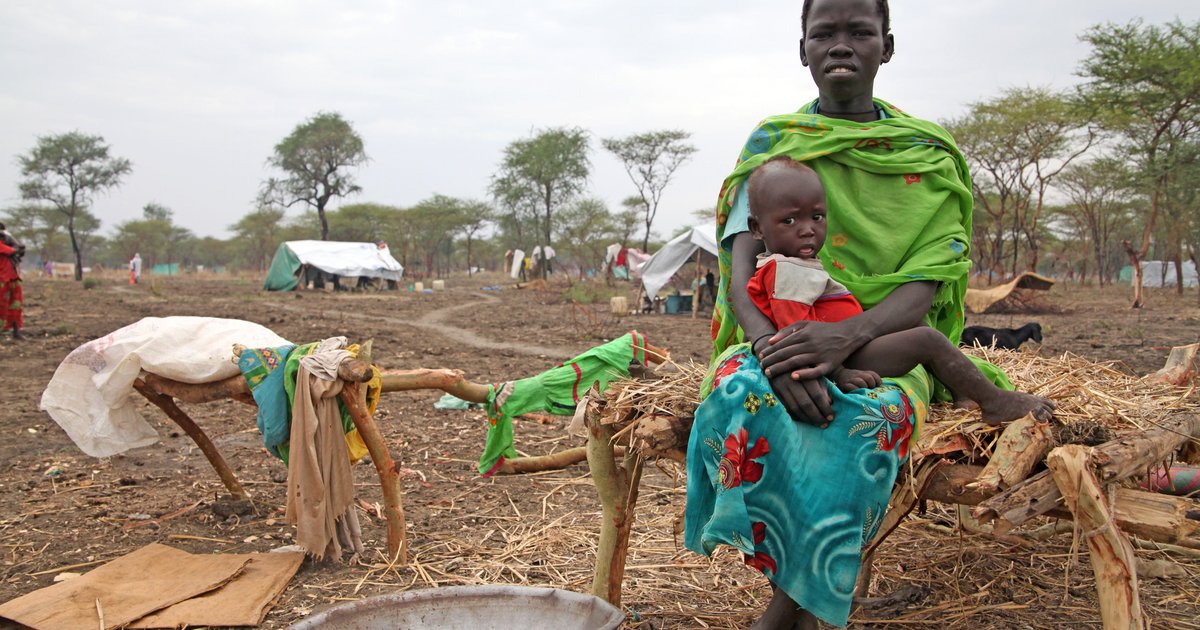
The number of displaced individuals in the Blue Nile region of southeastern Sudan has risen to over 79,000, a result of the intense fighting in the area. Reports indicate that among these displaced individuals are a significant number of women and children, exacerbating the humanitarian crisis in the region. These figures come amidst warnings that the numbers are likely to increase as clashes continue.
Local sources have reported that around 7,000 people have crossed into Ethiopia fleeing the fighting, where the displaced face dire humanitarian conditions, including severe shortages of food, water, and healthcare. These circumstances serve as a wake-up call for the international community, which is closely monitoring the developments in Sudan.
Details of the Ongoing Conflict
Fighting continues in the Blue Nile region, where several armed factions are vying for control. These clashes have led to the destruction of numerous homes and infrastructure, forcing residents to flee in search of safety. The Blue Nile is a strategically important area, bordered by Ethiopia, making it a transit point for the displaced.
Concerns are growing over the worsening humanitarian situation, as reports indicate that many displaced individuals lack shelter and basic healthcare. Humanitarian organizations have issued urgent appeals for assistance, but access to affected areas faces significant challenges due to security conditions.
Background & Context
Historically, the Blue Nile region has experienced multiple conflicts, being part of the broader dispute in Sudan that has persisted for decades. The conflict between the Sudanese government and armed factions has exacerbated the humanitarian situation in the area. Since the outbreak of the current conflict, conditions have become more complicated, increasing the suffering of civilian populations.
The Blue Nile is a resource-rich area, but it also suffers from poverty and deprivation. Previous government policies have contributed to worsening conditions, as many residents have been unable to access basic services. This situation has made them more vulnerable to the impacts of armed conflicts.
Impact & Consequences
The situation in the Blue Nile directly affects regional stability. As the number of displaced individuals increases, pressure mounts on neighboring countries like Ethiopia, which is receiving a growing number of refugees. This could exacerbate humanitarian crises in those countries, necessitating an urgent response from the international community.
Moreover, the continuation of the conflict in the Blue Nile may impact peace efforts in Sudan as a whole, potentially escalating disputes in other regions. The instability in this area could negatively affect regional security, calling for immediate action from international organizations.
Regional Significance
The conditions in the Blue Nile serve as an indicator of the challenges faced by many Arab countries amid ongoing conflicts. The humanitarian crises resulting from armed conflicts affect security and stability in the region, requiring international cooperation to address these challenges.
The situation in Sudan highlights the importance of enhancing humanitarian efforts and providing support to the displaced, as effective responses can mitigate the worsening of crises in the future. Additionally, promoting dialogue and peace is the only way to achieve stability in the region.
The conflict in the Blue Nile reflects a painful reality experienced by many residents in Sudan, necessitating urgent action from the international community to protect civilians and provide the necessary assistance.