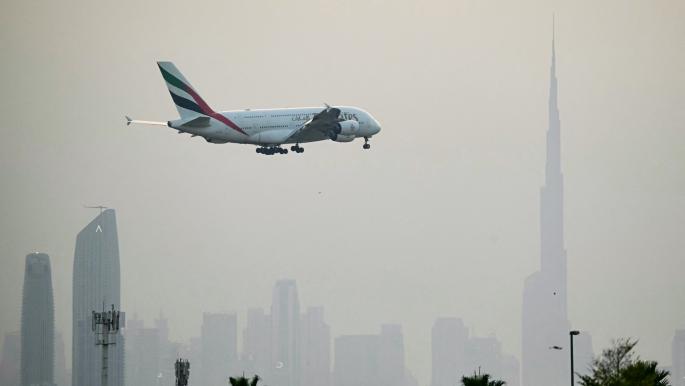
Travel in the Gulf and several Arab countries faces unprecedented disruption due to ongoing military escalation in the region. Major airports are suffering from route closures and flight changes, significantly impacting travelers.
The military escalation in the region has led to the closure of many airports, forcing airlines to adjust their flight schedules. This situation has created confusion among travelers, who find themselves stranded at airports or forced to change their travel plans.
Details of the Incident
Reports indicate that airports in Gulf countries, such as the UAE and Saudi Arabia, have witnessed numerous flight cancellations. Additionally, some air routes have been closed, complicating air traffic further. Major airlines, such as Emirates and Saudi Airlines, have announced significant changes to their flight schedules in response to these circumstances.
Passengers who were planning to travel to various destinations faced considerable difficulties in rescheduling their flights. Some had to wait for long periods at airports, while others found themselves compelled to seek alternative travel options.
Background & Context
The Middle East is experiencing escalating military tensions, with rising conflicts between nations. This escalation has direct implications for travel, as many countries are taking precautionary measures to protect their citizens. In recent years, there have been attempts to improve relations between certain nations, but recent events have reversed progress.
Historically, the region has faced similar crises that led to disruptions in air travel. For instance, in 2017, diplomatic relations between Qatar and several Gulf countries were severed, significantly affecting travel in the region.
Impact & Consequences
The economic impacts of this disruption will be substantial, as the tourism and travel sector heavily relies on air travel. Travel agencies and hotels may suffer negatively due to a decrease in tourist numbers. Furthermore, the stagnation in travel could affect the local economies of the involved countries.
Moreover, this situation could lead to increased tensions between nations, as each country seeks to protect its interests. Governments may take additional measures to ensure the safety of their citizens, potentially resulting in further travel restrictions.
Regional Significance
This situation reflects the significant challenges facing the Arab region amid ongoing crises. Travel is a key indicator of stability in any area, and its disruption could affect relations between countries. Additionally, tourism is an important source of revenue, and its interruption could lead to negative economic repercussions.
In conclusion, the current situation requires Arab countries to collaborate and coordinate to resolve crises and ensure the safety of travelers. Airlines must also take proactive steps to address these challenges.