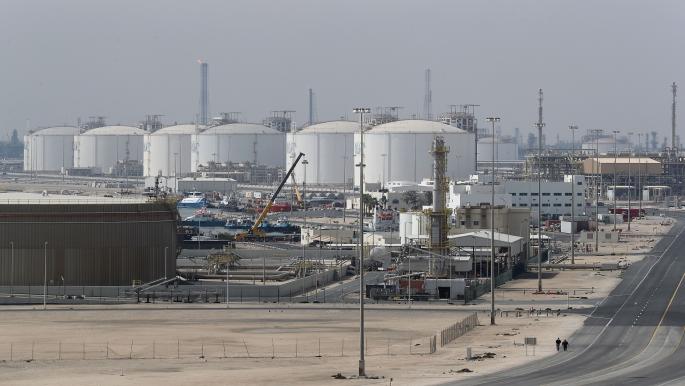
The disruption of Qatari gas supplies has led to a sharp increase in energy and fertilizer prices, intensifying production cost pressures across various sectors. This comes at a time when food inflation risks and global economic growth are slowing.
Qatar is one of the largest exporters of natural gas in the world, playing a pivotal role in meeting global market needs. However, any interruption in gas supplies can lead to widespread negative impacts, not only on the Qatari economy but on the global economy as a whole.
Details of the Event
Recently, global markets have witnessed a significant rise in gas prices, reaching record levels due to the disruption of Qatari supplies. This increase has led to higher production costs in many industries, including the fertilizer sector, which heavily relies on gas as a raw material. According to reports, gas prices have surged by up to 30% in some markets, raising concerns about the impact on food prices.
This price increase comes at a sensitive time, as the world grapples with the repercussions of the COVID-19 pandemic, which has exacerbated economic crises. With ongoing pressures on supply chains, any rise in production costs could worsen inflation, affecting consumers' purchasing power.
Background & Context
Historically, Qatar has played a significant role in global energy markets, with many countries relying on Qatari gas to meet their needs. However, geopolitical tensions and economic crises can affect the stability of these supplies. In recent years, we have witnessed several crises that led to fluctuations in energy prices, highlighting the importance of stable Qatari supplies.
In 2020, gas prices experienced a sharp decline due to the COVID-19 pandemic, but they rebounded as the global economy recovered. Nevertheless, any disruption in supplies can have negative effects on economic growth, especially in countries that heavily depend on Qatari gas.
Impact & Consequences
The rise in gas prices has widespread implications for the global economy. It can lead to increased production costs, negatively affecting the prices of goods and services. Additionally, rising energy prices can impact inflation rates, increasing pressure on governments to intervene through fiscal and monetary policies.
Furthermore, the increase in gas prices may affect investments in the renewable energy sector, as companies might reduce their investments in clean energy projects due to the rising costs of traditional energy. This could delay the transition to sustainable energy sources, exacerbating environmental challenges.
Regional Significance
Arab countries are among the most affected by rising gas prices, as many of these nations rely on gas exports to generate revenue. While some gas-exporting countries, like Qatar, may benefit from higher prices, importing countries will face greater economic challenges.
The rise in gas prices could also exacerbate economic crises in countries struggling with financial difficulties, increasing social and political pressures. In this context, Arab governments must take effective measures to mitigate the impact of rising prices on their citizens.
In conclusion, the disruption of Qatari gas supplies poses a significant challenge to the global economy, raising energy and fertilizer prices and increasing pressures on production costs. The current situation requires a coordinated response from governments and businesses to address these challenges and achieve market stability.