Concerns are growing about the impact of escalating tensions in the Strait of Hormuz on global food security. The Food and Agriculture Organization (FAO) has warned that continued disruptions in this critical corridor could lead to a wave of food inflation and new hunger crises in food-importing countries.
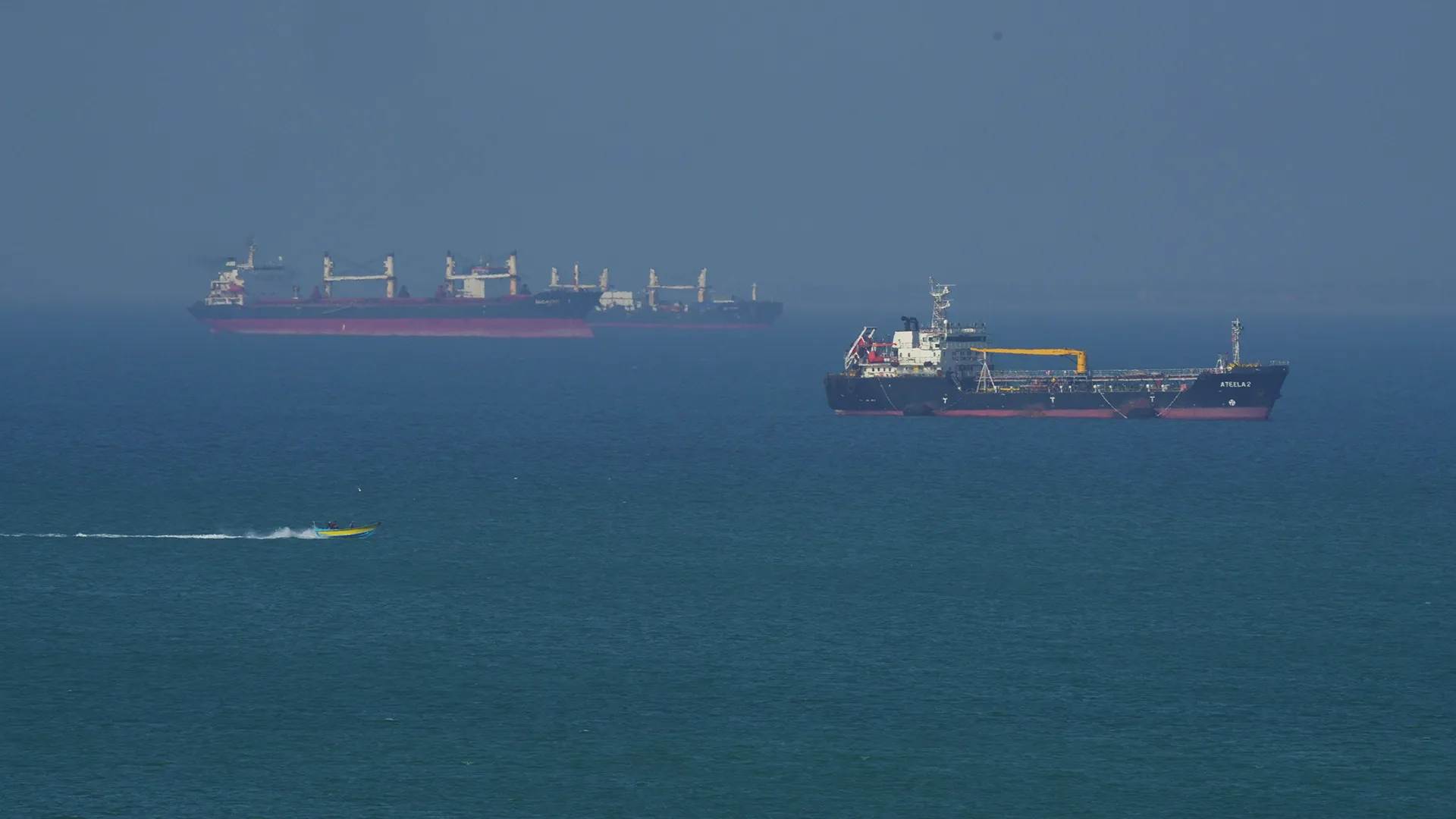
Reports indicate that commercial shipping traffic in the strait has significantly declined amid rising tensions between the United States and Iran, leading to attacks on tankers and rerouting of many commercial vessels. These developments reflect fears of a choke point in one of the world's most important maritime arteries for the global economy.
Details of the Incident
In an analytical coverage, Abdelkader Arada noted that dozens of ships have altered their routes, while approximately 70 tankers have been prevented from entering or leaving Iranian ports. Some commercial vessels have also been attacked, prompting them to abandon their journeys through the strait.
The impact of these events on global fertilizer supplies is particularly concerning, as around 16 million tons of fertilizer shipments pass through the Strait of Hormuz annually, accounting for 30% of global supplies. Additionally, nearly half of the world's urea exports transit through this route, meaning that disruptions in navigation will quickly reflect in prices.
Background & Context
The price of urea has surged from less than $500 before the crisis to over $600 within weeks, threatening a potential decline of up to 15% in the production of staple crops like corn if fertilizer supplies drop by 20%.
The FAO has confirmed that food-importing countries are facing difficult and limited options to cope with supply chain disruptions amid rising energy and fertilizer prices. FAO's chief economist, Maximo Torero, indicated that farmers may be forced to alter agricultural production patterns.
Impact & Consequences
Torero explained that prolonged closure of the strait will inevitably lead to widespread inflation in food prices by the end of the year, especially with declining supplies of fertilizers and sulfur, along with rising energy and transportation costs. These factors will directly impact the cost of agricultural production globally.
He also warned that the crisis threatens not only prices but also the food security of millions of people. Current estimates suggest that around 45 million additional people could join the ranks of the hungry by the end of the year if the crisis continues without solutions.
Regional Significance
Countries that rely on imports have already begun searching for alternative shipping routes and new sources of fertilizers and energy in an attempt to reduce dependence on the strait. However, these alternatives remain limited in impact due to the massive volume of trade that passes through Hormuz.
Some countries may resort to building strategic reserves of grains and fertilizers or providing direct support to farmers to mitigate the effects of rising costs. However, these measures will not be sufficient if the crisis persists.
In conclusion, Torero warned that continued supply disruptions will lead to a chain reaction of economic crises, starting with rising food prices, followed by increased inflation rates, leading to higher interest rates and a slowdown in global economic growth.