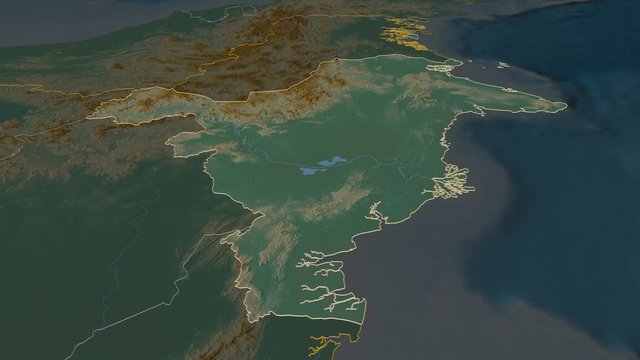
The Indonesian government, through the East Kalimantan Social Affairs Department, announced the distribution of humanitarian aid to those affected by a major fire that broke out in Batu Tembau village, resulting in 117 families losing their homes. The fire, which occurred last Thursday, destroyed 85 residential buildings, impacting 337 individuals, including children and pregnant women.
Andi Muhammad Ishaq, head of the East Kalimantan Social Affairs Department, confirmed that the aid includes 226 packages of food and essential supplies, distributed to meet the basic needs of the survivors. These aids were delivered in the presence of several local officials, reflecting the government's commitment to supporting those affected during times of crisis.
Details of the Incident
The fire, which ignited at 12:00 PM local time, caused significant damage, leaving many families homeless and without shelter. The provided aid includes 5 kilograms of rice, 1 kilogram of sugar, and other food items such as corned beef, biscuits, pasta, and cooking oil. Additionally, sleeping supplies such as pillows and mattresses were provided to ensure the comfort of the survivors.
Moreover, 350 packages of ready-to-eat food, 113 tents, and 40 mattresses were distributed, showcasing the efforts made to meet the needs of the affected individuals swiftly and effectively. Coordination with local teams and relevant authorities was established to ensure that aid reached the affected families as quickly as possible.
Background & Context
Wildfires and similar incidents pose significant challenges for Indonesia, especially in areas suffering from inadequate infrastructure and resources. Historically, the country has faced numerous natural disasters, prompting the government to adopt strategies for crisis management and support for those affected. The recent fire highlights the importance of preparedness and planning to face such disasters.
The Indonesian government is working to enhance its disaster management capabilities, having established specialized teams to handle crises and provide immediate support to victims. This incident reflects the urgent need to develop effective strategies for dealing with natural disasters.
Impact & Consequences
The fire's impact on the local community was substantial, as many families lost their livelihoods and homes. This situation necessitates a rapid response from the government and civil society to ensure the rebuilding of homes and the provision of psychological and social support for the affected individuals. Such incidents underscore the importance of collaborative efforts between the government and local communities to tackle challenges.
Relief efforts are expected to continue for an extended period, as the affected individuals require ongoing support to rebuild their lives. Furthermore, these events prompt reflection on how to improve disaster response in the future, including enhancing community awareness of fire risks.
Regional Significance
Although the incident occurred in Indonesia, the lessons learned from this fire can be beneficial for Arab countries facing similar challenges. Wildfires and natural disasters have become increasingly common in many nations, necessitating effective strategies to address them.
Arab countries can draw from Indonesia's experiences in disaster management and support for victims, which could enhance regional cooperation in humanitarian relief efforts. Additionally, raising community awareness about the risks of natural disasters can contribute to reducing future damages.