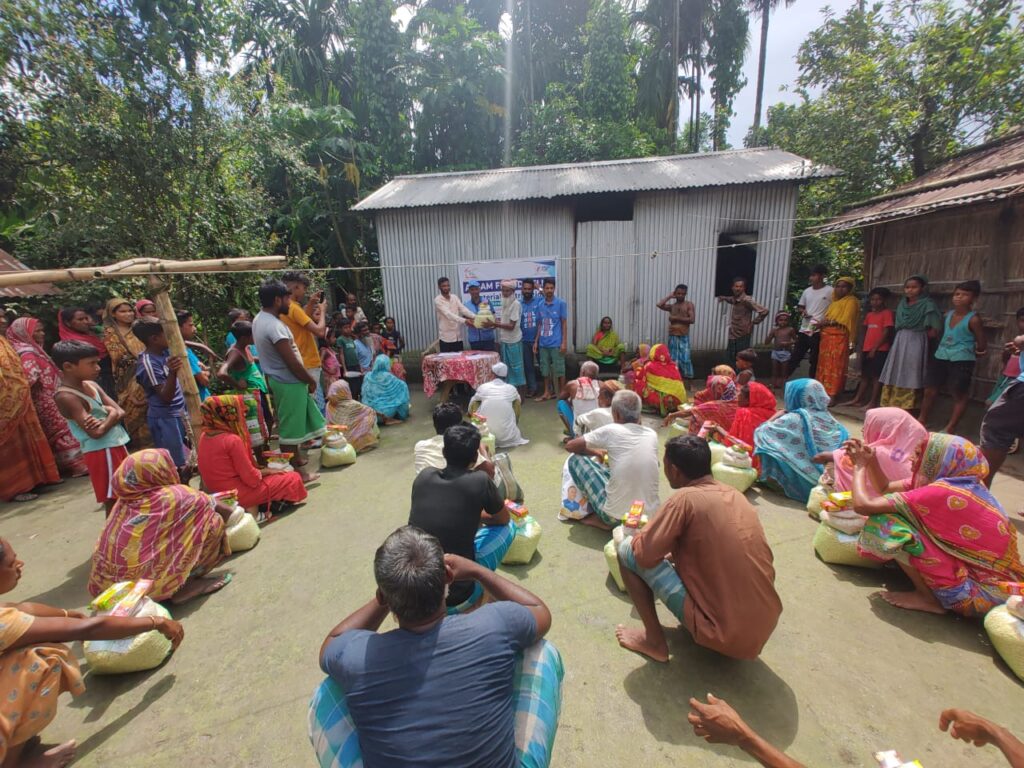
In a significant humanitarian step, the government of Bengkulu in Indonesia has distributed thousands of ready meals to citizens affected by the floods that have swept through the area since Monday, April 6. This initiative comes at a critical time as many residents struggle to meet their food needs due to the damage to their homes.
The meal distribution operation has been carried out by all local government organizations in succession, aiming to ease the burden on the affected citizens. Medi Bibriansyah, the city’s secretary, confirmed that this assistance is intended to support families who are unable to cook due to the floods.
Event Details
Heavy rainfall since the evening of Sunday, April 5, has inundated many areas in Bengkulu, affecting approximately 2,688 families, according to government reports. The most affected areas have been identified, including Singgaran Pati District and Muara Bankahulu District, where many homes have been severely damaged.
The meal distribution comes in response to directives from the Governor of Bengkulu, Didi Wahyudi, who emphasized the necessity of meeting the basic needs of the population, especially under the difficult circumstances they are facing. He noted that the government will continue to provide support until conditions return to normal.
Background & Context
Historically, Bengkulu has experienced several natural disasters, but the current floods are among the worst. The region is frequently subjected to waves of heavy rain, exacerbating infrastructure problems. Studies have shown that climate change plays a significant role in increasing the severity of floods in the area.
These floods serve as a reminder of the importance of enhancing local community capacities to face natural disasters. Effective strategies must be in place to mitigate the impacts of flooding, including improving drainage systems and infrastructure.
Impact & Consequences
The impact of the floods on the local community is substantial, with many families suffering the loss of their belongings and resources. Health conditions may deteriorate due to a lack of clean water and unsanitary conditions. Therefore, food assistance is a necessary step to maintain the health of the population and alleviate their suffering.
Moreover, these events highlight the importance of community solidarity, as everyone collaborates to assist those affected. Government and community support can play a crucial role in rebuilding the normal lives of the affected residents.
Regional Significance
Although the floods in Bengkulu may seem distant from the Arab region, the lessons learned from this disaster can be of great benefit. Many Arab countries face similar challenges due to climate change, necessitating enhanced preparedness for natural disasters.
The Indonesian experiences in crisis management and flood mitigation can serve as a model for Arab countries, especially in light of increasing environmental challenges.
In conclusion, the efforts of the Bengkulu government to provide assistance to flood victims reflect the importance of solidarity and cooperation in the face of disasters. We must learn from these experiences to enhance our ability to confront future challenges.