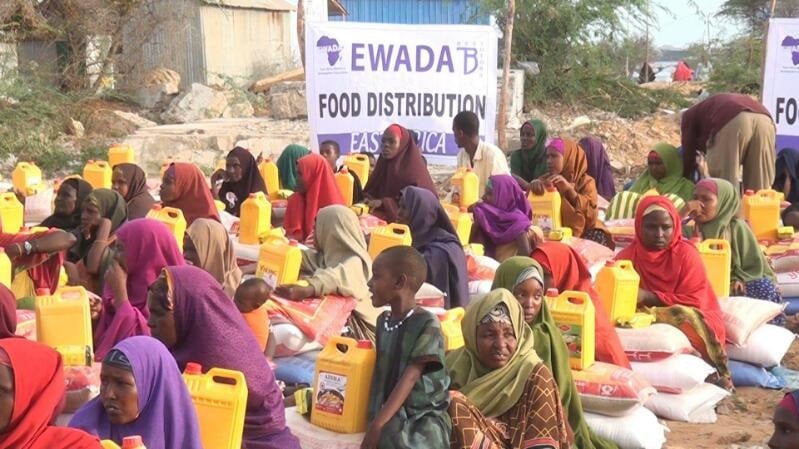
The Insan Charity Association announced the distribution of Zakat al-Fitr to over 10,500 families in Riyadh and its provinces. This initiative is part of its ongoing efforts to support needy families during the holy month of Ramadan.
This initiative is part of the association's annual program aimed at providing basic necessities for poor and needy families, as Insan seeks to achieve social solidarity and enhance the spirit of cooperation among community members.
Event Details
This year's distribution of Zakat al-Fitr includes a variety of essential food items, such as rice, flour, and sugar, which have been carefully selected to meet the needs of the beneficiary families. The distribution process has been organized to ensure that aid reaches those in need in a timely manner, with designated distribution points set up in various neighborhoods of Riyadh and neighboring provinces.
The association also emphasized the importance of Zakat al-Fitr in strengthening social bonds among community members, as it serves as a means to assist the poor and needy during the festive days of Eid, contributing to bringing joy and happiness to their hearts.
Background & Context
Zakat al-Fitr is an obligation for every Muslim, imposed at the end of the holy month of Ramadan, and is given to the poor and needy. Scholars have agreed that Zakat al-Fitr should be given before the Eid prayer, allowing the needy to benefit from it during the days of Eid.
Historically, Zakat al-Fitr was collected and distributed locally, but with the increasing number of needy families, charitable organizations have played a pivotal role in organizing this process and expanding the scope of beneficiaries.
Impact & Consequences
The distribution of Zakat al-Fitr has positive effects on the community, as it helps reduce the economic gap between individuals and enhances the spirit of cooperation and social solidarity. Moreover, these initiatives reflect the community's commitment to supporting the most vulnerable groups, thereby enhancing the overall stability of society.
Additionally, these efforts contribute to improving the image of charitable organizations within the community, encouraging more individuals to participate in charitable and volunteer work.
Regional Significance
Initiatives for distributing Zakat al-Fitr serve as a model in Arab countries, reflecting the humanitarian and Islamic values that call for assisting the needy. Amid the economic and social crises faced by some Arab nations, the importance of these initiatives in promoting social solidarity becomes evident.
Furthermore, these efforts help strengthen ties between Arab countries, as they can serve as a model for cooperation among charitable organizations in various nations, contributing to improving the conditions of needy families in the region.
In conclusion, Zakat al-Fitr remains a symbol of social solidarity, emphasizing the importance of collective action in supporting the most needy groups, contributing to building a more cohesive and cooperative society.