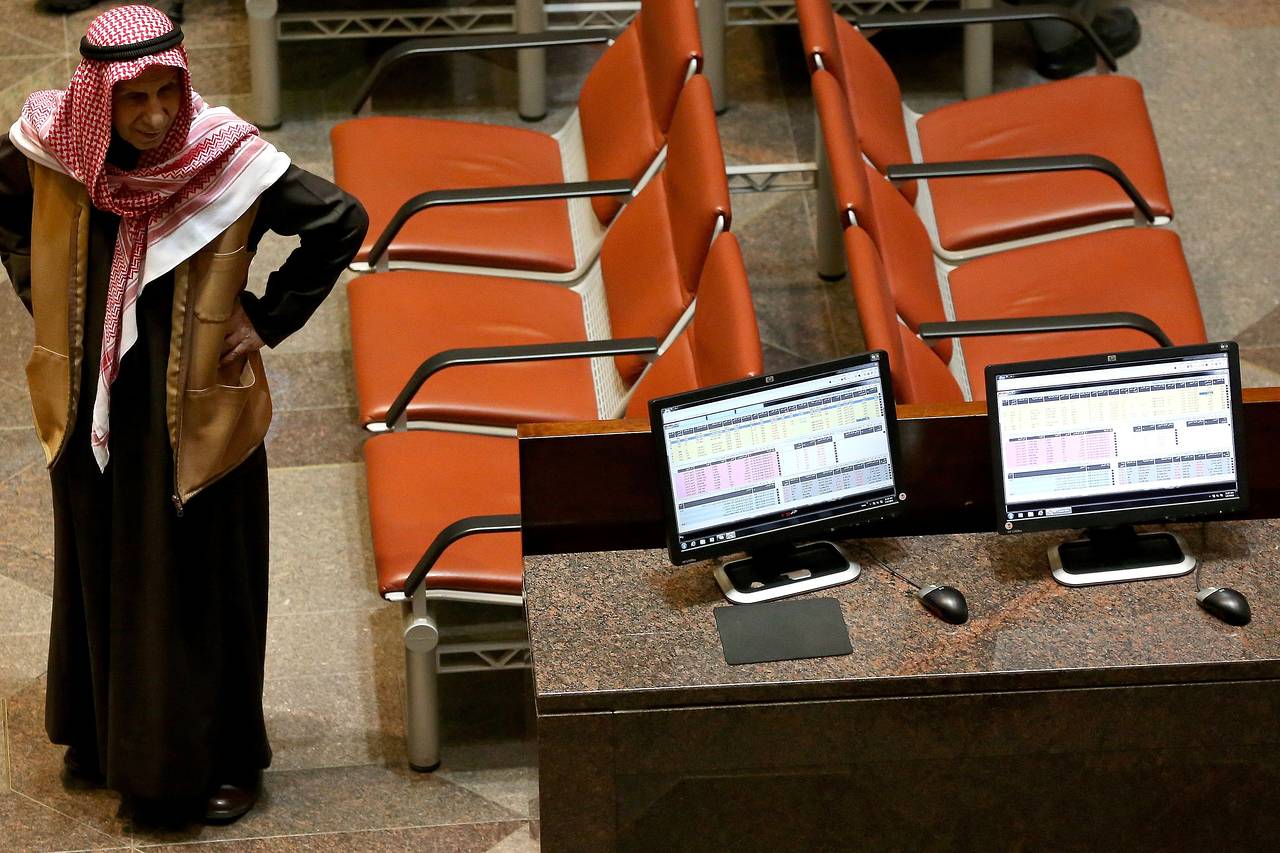
Gulf stock markets have exhibited a sharp divergence since the onset of the war in Iran, with the region now hosting both the best and worst performing global markets over the past month. While Dubai suffers a significant downturn, Muscat is witnessing remarkable gains, highlighting the war's effects on local economies.
These changes come amid escalating regional tensions, with markets reacting differently to ongoing events. While markets like Dubai have seen a noticeable decline, Muscat has managed to achieve significant gains, raising questions about the factors influencing the performance of these markets.
Market Performance Details
Stock indices in Dubai have dropped significantly, as the markets are affected by increased fears of military escalation in the region. In contrast, stock indices in Muscat have risen, reflecting a different response from investors towards the current situation. These performance disparities indicate that investors are gravitating towards certain markets in search of safety and opportunities.
Muscat is considered one of the few markets that has managed to achieve positive performance under the current circumstances, with reports indicating an increase in foreign investments in the Omani market, contributing to enhanced confidence in the local economy.
Background & Context
Historically, Gulf markets have experienced significant fluctuations due to political and economic events in the region. The war in Iran is not new, but its impacts on financial markets may be more pronounced at this time. Since the conflict began, markets have started to react swiftly to news and developments, leading to performance variability.
In recent years, Gulf countries have attempted to diversify their economies away from oil, making them more susceptible to regional events. This shift towards diversification may be one of the factors contributing to the differing reactions among various markets.
Impact & Consequences
The divergence in Gulf market performance could have long-term implications for investments in the region. Investors are seeking safety, which may affect capital flows towards more stable markets. At the same time, the decline in Dubai's markets could diminish confidence in the overall UAE economy.
Furthermore, these changes may lead to a reevaluation of investment strategies in the region, as investors seek to identify the safest markets capable of delivering returns under the current conditions.
Regional Significance
The effects of the war in Iran are not confined to the Gulf states but extend to the entire Arab region. Regional tensions could lead to an increase in oil prices, impacting the economies of other Arab countries. Additionally, the decline in Dubai's markets may affect investments in other nations such as Egypt and Jordan.
Ultimately, the situation in the Gulf remains under observation, as investors look for new strategies to cope with rising risks. The divergence in market performance may signal larger changes ahead, necessitating Arab nations to consider how to bolster their economies amid crises.