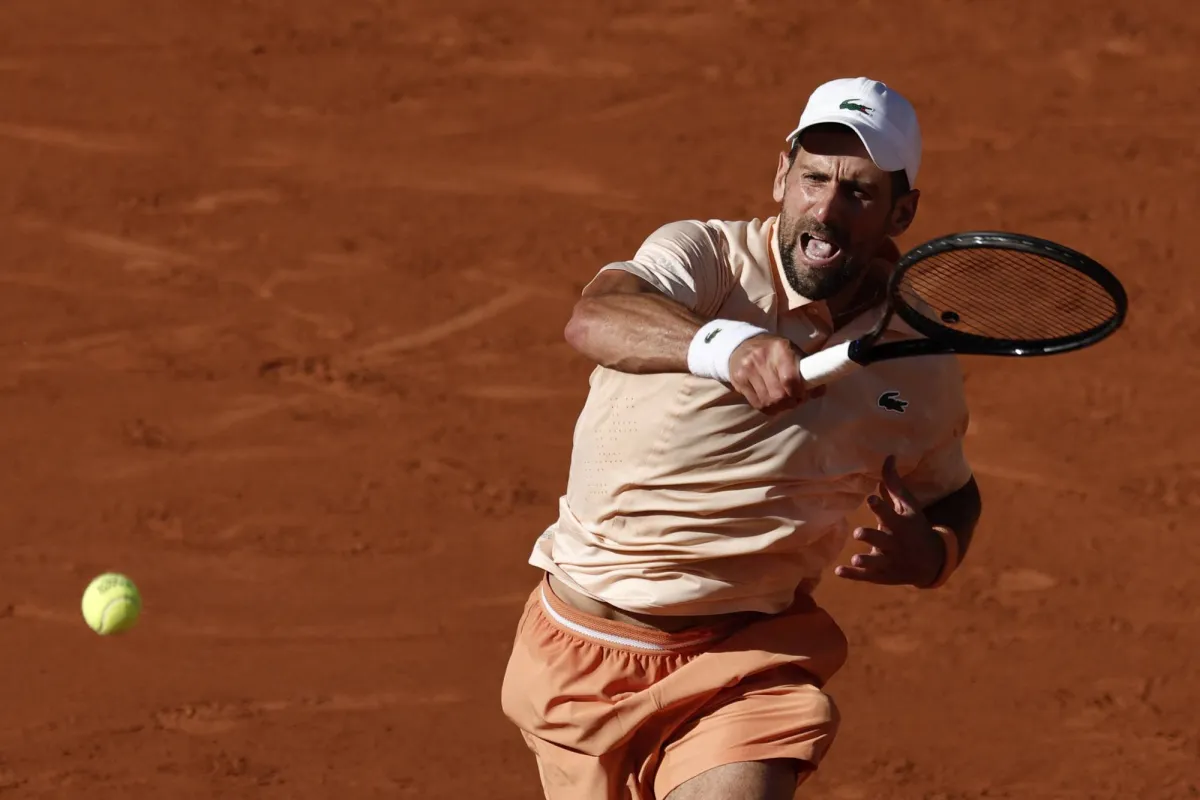
Novak Djokovic, the former world number one, has proposed delaying the match schedules of the Roland Garros tournament, one of the four Grand Slam events in tennis, to tackle the extreme heat wave sweeping through the French capital, Paris.
This suggestion came after Djokovic's victory over French player Valentin Royer in the second round, where he acknowledged that the match took place under extremely difficult weather conditions. He noted that the rising temperatures impact both players' performance and the fans' experience.
Event Details
Temperatures in Paris continue to rise, and Djokovic pointed out that Grand Slam tournaments should be able to adapt to climatic conditions. He stated, "Honestly, there shouldn't be a problem at Grand Slam tournaments in general, as we have a large number of courts. We have lighting, and you can reschedule matches on other courts while keeping the audience in the stands."
Djokovic added that lessons could be learned from other tournaments, such as the Umag tournament in Croatia, where matches start later in the afternoon. He emphasized that considering delaying matches on days with extreme heat might be a discussion worth having.
Background & Context
France is currently experiencing an unprecedented heat wave, having recorded record temperatures in May, prompting the "Meteo France" agency to describe it as a "notable heat wave." These conditions have affected the Roland Garros tournament, with 25 individuals requiring medical assistance due to the extreme heat.
Despite this, the French Tennis Federation confirmed that no match has ever been suspended in the tournament's history due to heat, but play will be halted if temperatures exceed 32.2 degrees Celsius according to the "Wet Bulb Globe Temperature" index.
Impact & Consequences
Djokovic's remarks raise questions about how major tournaments manage changing climatic conditions, especially with the increasing frequency of heat waves in Europe. This could lead to a reevaluation of match schedules and timings, affecting the organization of future tournaments.
This issue also highlights the importance of health and safety in sports, as organizers must take measures to protect players and fans from health risks associated with heat exposure.
Regional Significance
This issue is particularly significant for the Arab region, where many countries experience high temperatures during the summer. The experiences at Roland Garros could serve as a model for developing strategies to cope with harsh climatic conditions in Arab sports tournaments.
In conclusion, Djokovic remains a symbol of sportsmanship, and his suggestion reflects the importance of considering the health of players and fans in light of increasing climate changes.