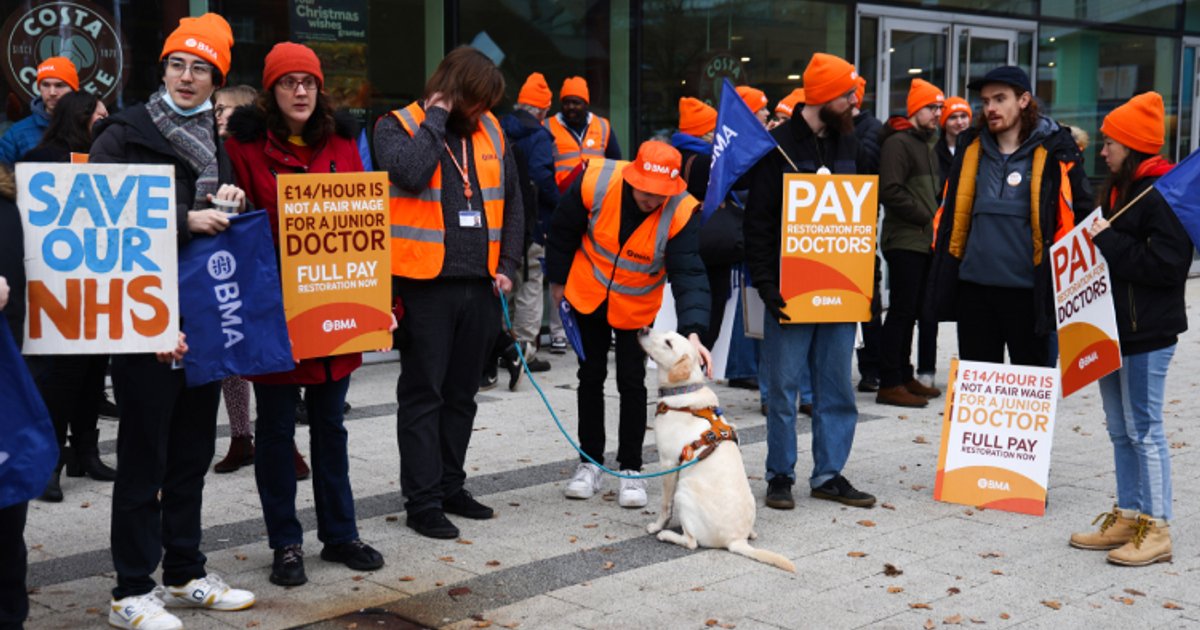
The National Health Service (NHS) in England has urged patients not to delay seeking healthcare during the strike by resident doctors, which begins on Tuesday and lasts for six days. This strike comes at a sensitive time, coinciding with the end of a long weekend, raising fears of increased demand for health services.
This strike marks the fifteenth in a series of strikes stemming from a long-standing dispute over pay and working conditions. The NHS has confirmed that senior doctors and those not participating in the strike will continue to work, and patients are encouraged to attend as usual unless informed otherwise.
Details of the Strike
The strike, involving tens of thousands of resident doctors, will commence at 07:00 BST on Tuesday and conclude before 07:00 on Monday, April 13. Health Secretary Wes Streeting described these strikes as "disappointing," emphasizing that the focus should now be on protecting patients and healthcare workers by minimizing disruptions.
Despite the challenges, the minister noted that the NHS managed to deliver approximately 95% of planned activities during the resident doctors' strikes last December. However, the British Medical Association (BMA) has warned that these strikes will lead to significant disruptions, despite NHS assurances that most services will remain available to patients during the strike periods.
Background & Context
The roots of the current dispute between resident doctors and the government date back three years, with talks aimed at resolving this conflict beginning at the end of March. Negotiations deteriorated after the government withdrew a significant offer that included an additional 1,000 training places, stating that the plans were no longer "financially or operationally" feasible.
The government’s offer also included covering certain expenses, such as examination fees, along with ensuring accelerated pay progression across five salary bands. However, talks ended after the BMA deemed the pay progression terms to have been "watered down" at the last minute.
Impact & Consequences
The current strikes highlight the increasing tensions between doctors and the government, as doctors demand improved working conditions and pay. Although salaries have risen by a third over the past four years, the BMA points out that current wages remain 20% lower than they were in 2008 when adjusted for inflation.
The union utilizes the RPI inflation measure, which is considered higher than others, noting that the government adopts this measure when adding benefits to student loans. These dynamics reflect the challenges faced by doctors in their pursuit of rights and improved working conditions.
Regional Significance
These events in England are significant for the Arab region, reflecting the challenges faced by healthcare systems in various countries. There may be lessons learned on how to handle disputes between doctors and governments, especially amid the difficult economic conditions many Arab countries are experiencing.
In conclusion, the situation of resident doctors in England serves as an example of the conflicts that can arise in healthcare systems, necessitating consideration of how to improve working conditions and ensure doctors' rights, which can directly impact the quality of healthcare provided to patients.