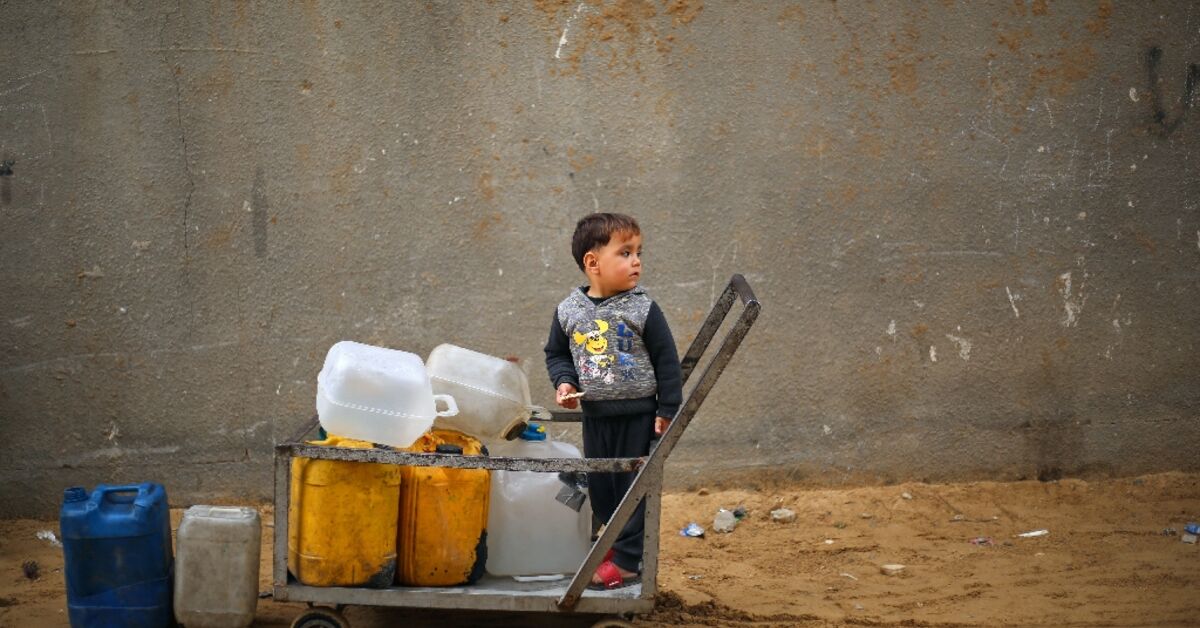
Doctors Without Borders issued a warning on Tuesday regarding the water situation in Gaza, indicating that Israeli authorities are denying residents access to necessary water for survival, which amounts to collective punishment against Palestinians. The organization emphasized that the destruction of water infrastructure and obstruction of access to water are part of a genocidal policy against the Palestinian people.
In the face of dire humanitarian conditions, residents of Gaza are suffering from a severe shortage of potable water, exacerbating their plight. The report noted that many families are unable to obtain sufficient water, threatening their lives and health.
Details of the Water Crisis
Concerns are growing over the worsening humanitarian situation in Gaza, where the water infrastructure is being destroyed due to ongoing military operations. Multiple reports have documented the destruction of water networks and health facilities, leading to the spread of diseases and a lack of basic services.
Water is a fundamental human right; however, reports indicate that Israel is using control over water as a means to exert pressure on Palestinians. Doctors Without Borders has confirmed that this situation requires an urgent response from the international community.
Background & Context
Historically, Gaza has witnessed numerous humanitarian crises due to the ongoing conflict between Palestinians and Israelis. Since 2007, Israel has imposed a blockade on the region, resulting in the deterioration of economic and social conditions and the destruction of essential infrastructure, including water and sewage networks.
Gaza relies heavily on groundwater sources, which have become contaminated and unsuitable for use. With the increasing population, the pressure on these resources intensifies, worsening the crisis.
Impact & Consequences
Reports indicate that depriving Palestinians of water has serious implications for public health, as the risk of infectious diseases increases. This situation also reflects human rights violations that require urgent international action. The continuation of these policies could exacerbate the humanitarian situation, creating an unstable environment that may affect regional security.
Regional Significance
This issue highlights the ongoing human rights violations and the deteriorating humanitarian conditions in Gaza, necessitating international intervention. The situation in Gaza not only affects the local population but also has broader implications for stability in the region.
In conclusion, the crisis surrounding water access in Gaza underscores the urgent need for global awareness and action to protect human rights and ensure the well-being of the Palestinian people.