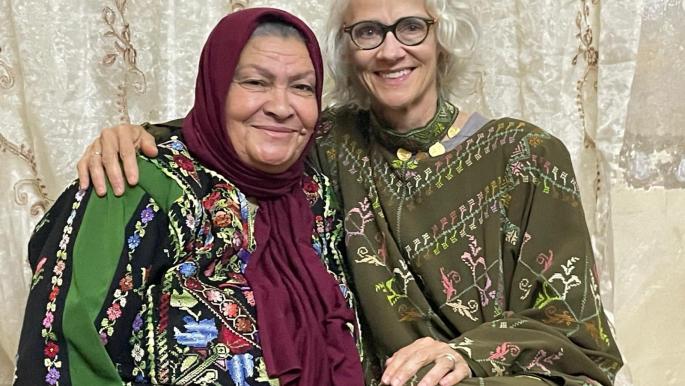
Canadian Elizabeth Fibert has chosen a Palestinian woman living in a refugee camp in Amman to document her daily life through food and its culture. This project highlights the importance of food as a means of expressing identity and cultural resistance, as Fibert sheds light on the social and psychological dimensions associated with food in the lives of refugees.
Fibert believes that food is not merely a means of physical sustenance but a symbol of heritage and culture. By capturing the routine of daily life, she aims to present a true picture of the lives of Palestinians in the camps, where they face multiple challenges yet maintain their cultural heritage through food.
Event Details
Fibert documents her experience by visiting a Palestinian woman in a refugee camp, where she discusses her daily life and the details of her routine. Fibert focuses on how food is prepared, the rituals associated with it, and the traditions passed down through generations. Through this experience, Fibert hopes to highlight the importance of preserving culinary culture as a means of resistance.
Her experience includes capturing moments from daily life, such as preparing traditional meals, exchanging recipes, and family celebrations centered around food. These moments reflect the familial and social bonds that remain strong despite the difficult circumstances faced by refugees.
Background & Context
Historically, food represents an essential part of Palestinian identity, linked to a range of traditions and customs that reflect the rich culture of the Palestinian people. Since the Nakba in 1948, Palestinians have faced significant challenges in preserving their cultural identity, and food is one of the means that helps them do so.
Traditional Palestinian dishes, such as mansaf and maqluba, carry historical and cultural stories within them. By documenting these dishes, Fibert aims to preserve these traditions and pass them on to future generations, contributing to the enhancement of Palestinian identity amid harsh conditions.
Impact & Consequences
Fibert's project can have a significant impact on how the outside world understands Palestinian culture. By presenting a human and authentic image of Palestinian lives, it can help change prevailing stereotypes about refugees. Furthermore, this project emphasizes the importance of arts and culture as a means of expressing identity and resistance.
Moreover, this initiative can inspire other artists to document their own experiences, contributing to a broader cultural dialogue about issues of identity and asylum. Documenting daily life through food can have a positive impact on the Palestinian community, strengthening social ties and encouraging interaction between generations.
Regional Significance
Fibert's project serves as a model for how to use culture and the arts as a means of expressing identity in challenging contexts. Amid the multiple crises facing the Arab region, culture and the arts can be effective tools for resistance and change.
Highlighting human experiences through food can contribute to fostering understanding between different cultures and enhance dialogue on issues of identity and asylum. These initiatives reflect people's ability to adapt and innovate in the face of challenges, thereby fostering hope for a better future.
In conclusion, Elizabeth Fibert's project is not just a documentation of a Palestinian woman's life but a call to preserve culinary culture as a means of resistance and expression of identity. Through this work, Fibert contributes to enhancing understanding and appreciation of Palestinian culture, opening new horizons for dialogue and understanding in the region.