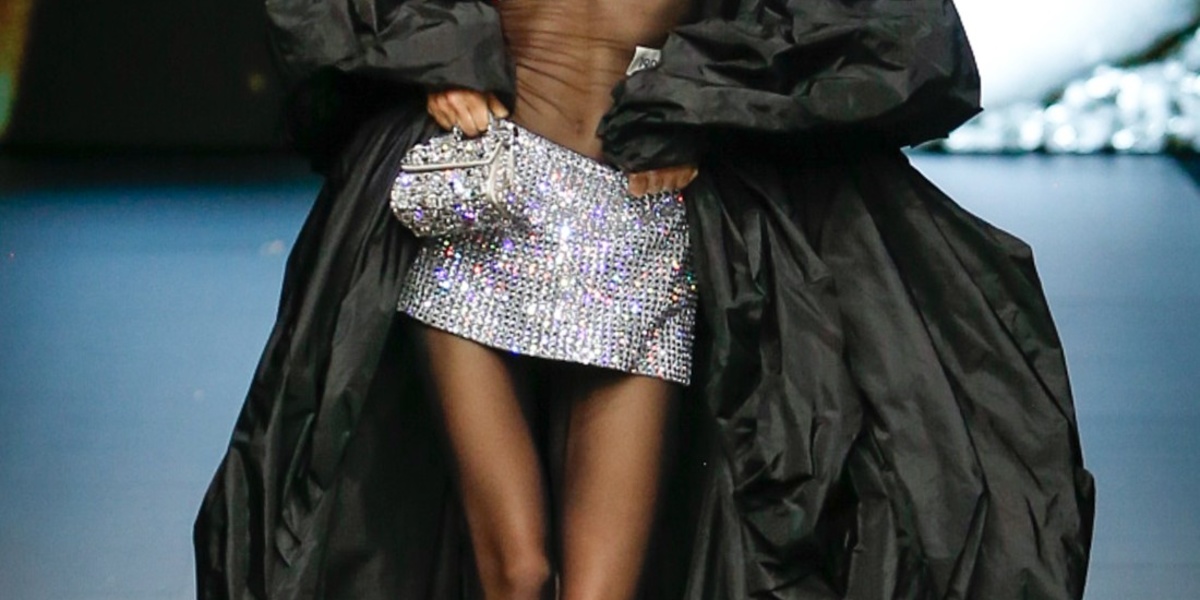
Dolce & Gabbana, the renowned Italian fashion house, is facing significant challenges due to a decline in global demand for luxury goods, which has led to increasing pressure on its profits and debt terms. In this context, informed sources have confirmed that the company has initiated new discussions with lenders aimed at restructuring its debts and improving its financial situation.
This step comes at a crucial time, as the global luxury goods market has seen a noticeable drop in demand, negatively impacting the performance of many major brands. Dolce & Gabbana, known for its bold and innovative designs, finds itself confronting unprecedented challenges that require a swift and effective response.
Details of the Negotiations
According to sources, Dolce & Gabbana has already begun talks with several financial institutions to secure better terms for its financing. These discussions are taking place at a time when pressure is mounting on companies operating in the luxury goods sector, with analysts predicting a continued decline in demand in the near future.
The company is seeking to improve its debt terms, which have become increasingly difficult under the current economic conditions. It is worth noting that Dolce & Gabbana had achieved significant successes in previous years, but changes in consumer behavior and increased competition in the market have affected its performance.
Background & Context
Founded in 1985, Dolce & Gabbana has since become one of the leading brands in the fashion world. However, the challenges it faces today are not new to the industry. Many luxury brands have experienced fluctuations in demand due to global economic crises, such as the financial crisis of 2008 and the COVID-19 pandemic, which significantly impacted consumer behavior.
In recent years, companies in this sector have begun shifting towards new strategies to adapt to market changes, including a focus on e-commerce and expansion into emerging markets. However, it appears that Dolce & Gabbana is struggling to effectively achieve this transition.
Impact & Consequences
These negotiations with lenders are expected to significantly affect the future of Dolce & Gabbana. If the company can successfully restructure its debts, it may be able to restore its financial balance and return to a growth trajectory. However, if it fails to do so, it may face greater difficulties that could lead to downsizing its operations or even a comprehensive restructuring.
These developments are important not only for Dolce & Gabbana but also for the fashion industry as a whole. Financial pressures on major companies could lead to changes in marketing and production strategies, which may affect prices and availability in the market.
Regional Significance
In the Arab region, luxury brands like Dolce & Gabbana are of great interest, as demand for luxury goods among consumers is increasing. If pressures on this brand continue, it could affect the availability of its products in Arab markets, potentially leading to price increases or shortages in available collections.
Moreover, any changes in Dolce & Gabbana's strategies could impact other brands in the region, as Arab consumers look to acquire the latest fashion trends. Ultimately, the future of Dolce & Gabbana hangs in the balance, depending on the outcomes of its negotiations with lenders.