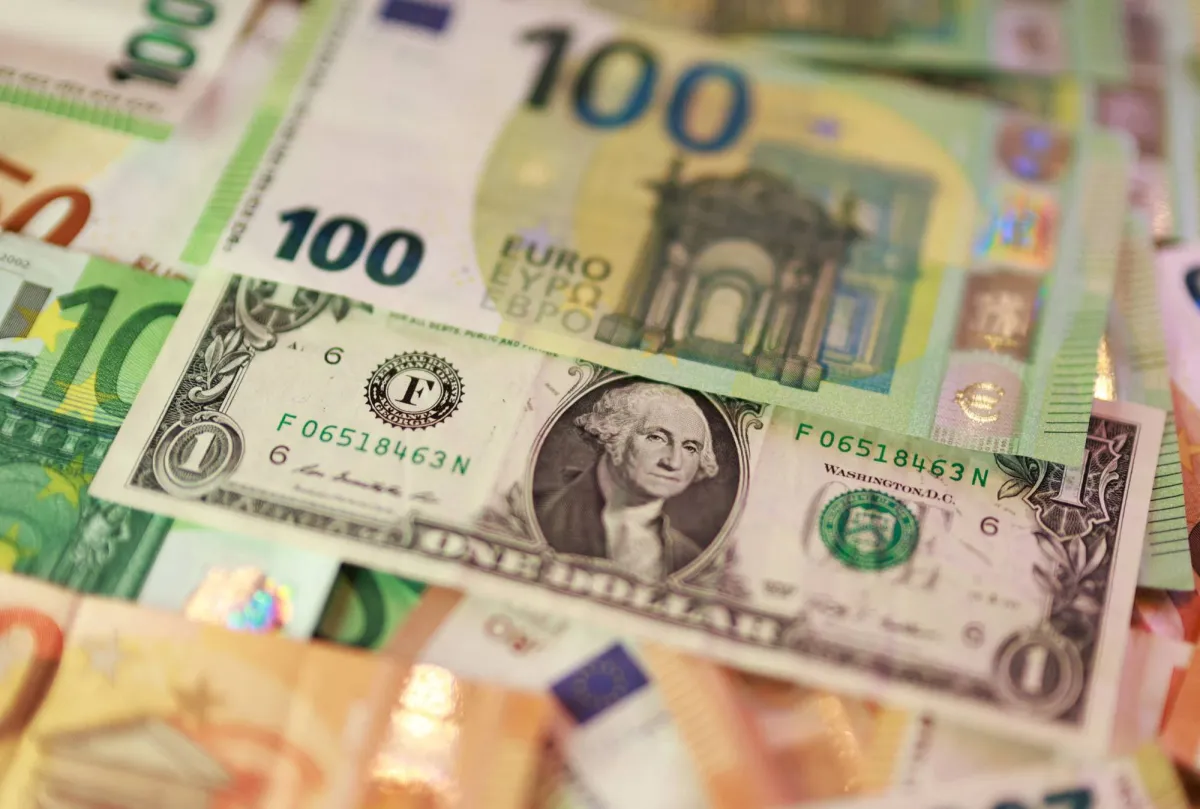
The dollar is on track for its largest monthly gains since July, rising as a safe-haven asset amid escalating tensions in the Middle East. The war in Iran has led to increased oil prices and heightened fears of a global recession.
In recent hours, the dollar has continued to gain broadly, except against the Japanese yen, where renewed threats of intervention from Tokyo have made traders cautious about selling the yen beyond 160 yen to the dollar. After hitting its lowest level since July 2024, the dollar was trading at 159.81 yen on Tuesday morning in Asia, down about 2.4 percent month-on-month, due to Japan's reliance on energy imports that have seen sharp price increases.
Event Details
The euro fell by 0.3 percent overnight, heading for a monthly decline of about 3 percent, while the Australian and New Zealand dollars dropped to their lowest levels in several months. After holding steady for most of the month, the Australian dollar began to decline significantly in recent sessions, as market focus shifted from inflation to global growth.
The Australian currency hit a two-month low of 0.6834 USD, trading at 0.6844 USD this morning in Asia. The New Zealand dollar also fell sharply, reaching a four-month low of 57 cents, with its last trade near 0.5716 USD.
Background & Context
The U.S. dollar index reached its highest level since May, recording a 2.9 percent increase in March, marking its largest monthly rise since last July. In this context, U.S. President Donald Trump warned that the United States would destroy Iranian power stations and oil wells if Tehran did not open the Strait of Hormuz, after Tehran described U.S. peace proposals as "unrealistic" and launched missiles at Israel.
At the same time, the official Kuwaiti news agency (KUNA) reported that a fully loaded Kuwaiti oil tanker was attacked by Iran while docked in Dubai, leading to a spike in oil prices. Chris Turner, head of global markets at ING Bank, confirmed that the dollar could continue its gains unless clear messages emerge from the Iranian side.
Impact & Consequences
Although Federal Reserve Chairman Jerome Powell downplayed the likelihood of interest rate hikes soon, this did not significantly impact the dollar, which tends to benefit from being seen as a safe haven when global growth forecasts are negative. Other safe havens, such as bonds and gold, have performed poorly since the outbreak of the war, increasing demand for the dollar.
The dollar rose about 4 percent against the Swiss franc during the month, reaching 0.80 francs. Inflation data for March is set to be released later in the session in Europe, along with Chinese purchasing managers' indices.
Regional Significance
Gold prices have risen amid hopes for de-escalation in the Middle East conflict, but they are heading for their worst monthly performance in over 17 years, as rising energy prices have dampened hopes for U.S. interest rate cuts this year. Spot gold rose by 1.1 percent to 4561.68 USD per ounce.
In related news, oil prices fell in Asian trading, retreating from previous gains, following a report that the U.S. president informed his aides of his willingness to end the war with Iran without reopening the Strait of Hormuz. Brent crude futures fell by 1.22 USD, or 1.08 percent, to 111.56 USD per barrel.
Ultimately, current developments suggest that the dollar will remain in the spotlight as a safe haven amid ongoing geopolitical tensions, which could impact global markets and increase recession fears.